 YouHuYou Components
Tesla Starts Semi Volume Output, Cells Still Tight
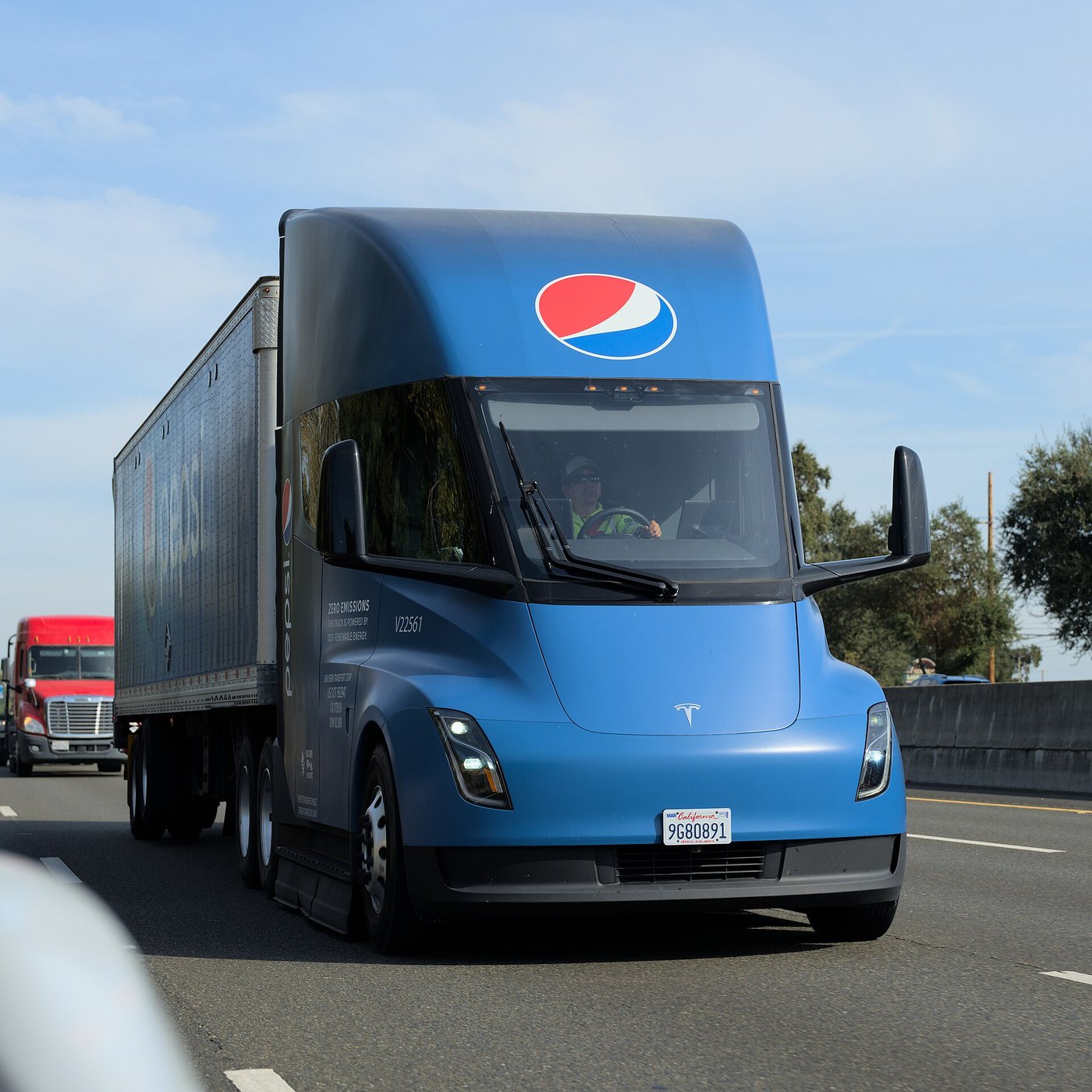
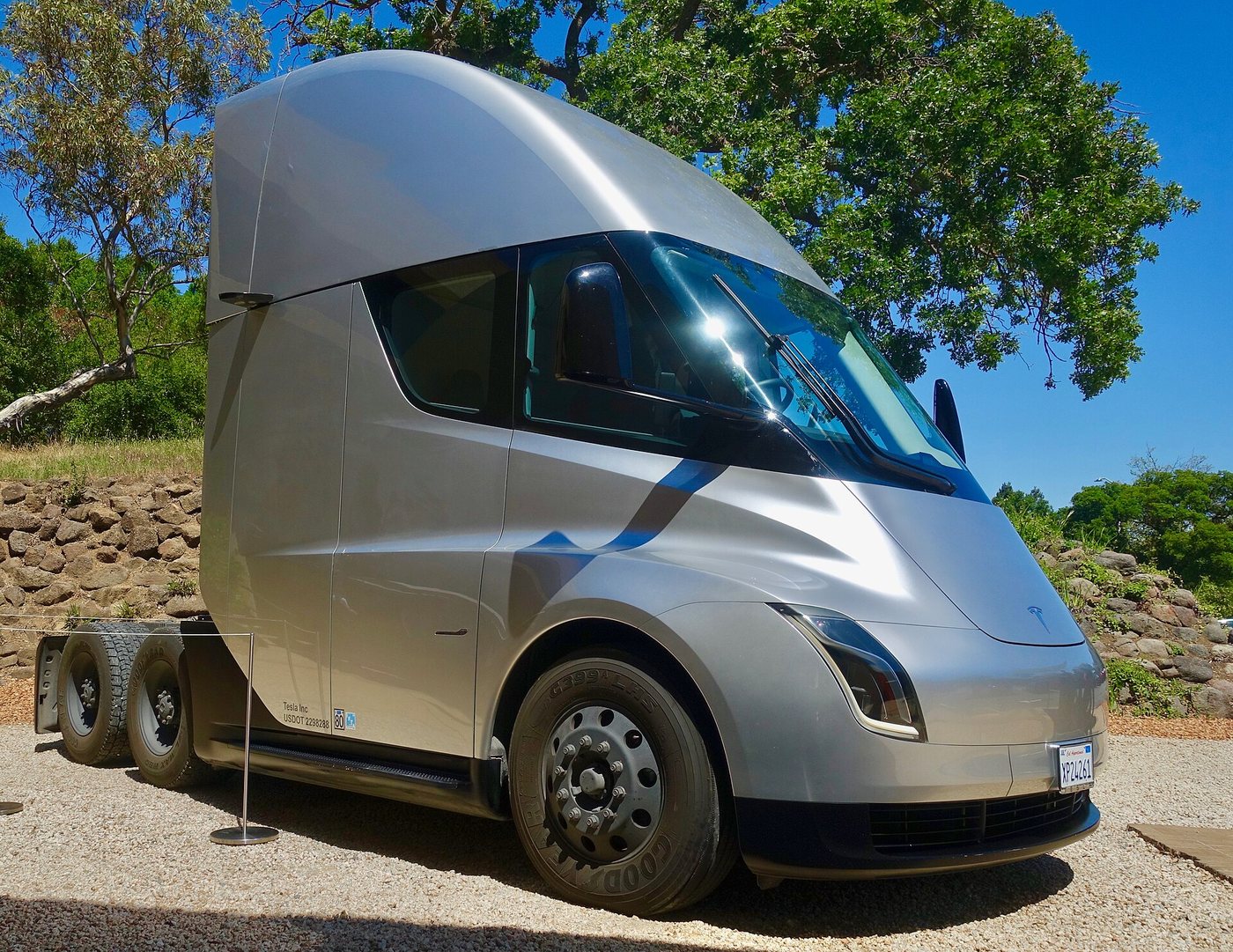
Tesla began volume production of the Tesla Semi in the third quarter, the company said in its quarterly update, on a high-volume line in Nevada with listed capacity of 25,000 trucks a year. The top variant is rated to cover 500 miles at a full 82,000-pound gross combination weight, and Tesla said it is raising output of its 4680 battery cells to support both the Semi and Cybercab ramps.
The financials behind that milestone were mixed. Third-quarter revenue was USD 28.05 billion, roughly flat year on year, with automotive revenue down 3 percent and energy revenue down 16 percent. Net profit fell 43 percent to USD 787 million, or 48 cents per share on an adjusted basis, ahead of the 43 cents consensus. Tesla attributed part of the automotive decline to lower average selling prices and to difficulty securing battery supplies in the volumes needed to fill its order backlog, which management said is the largest in four years.
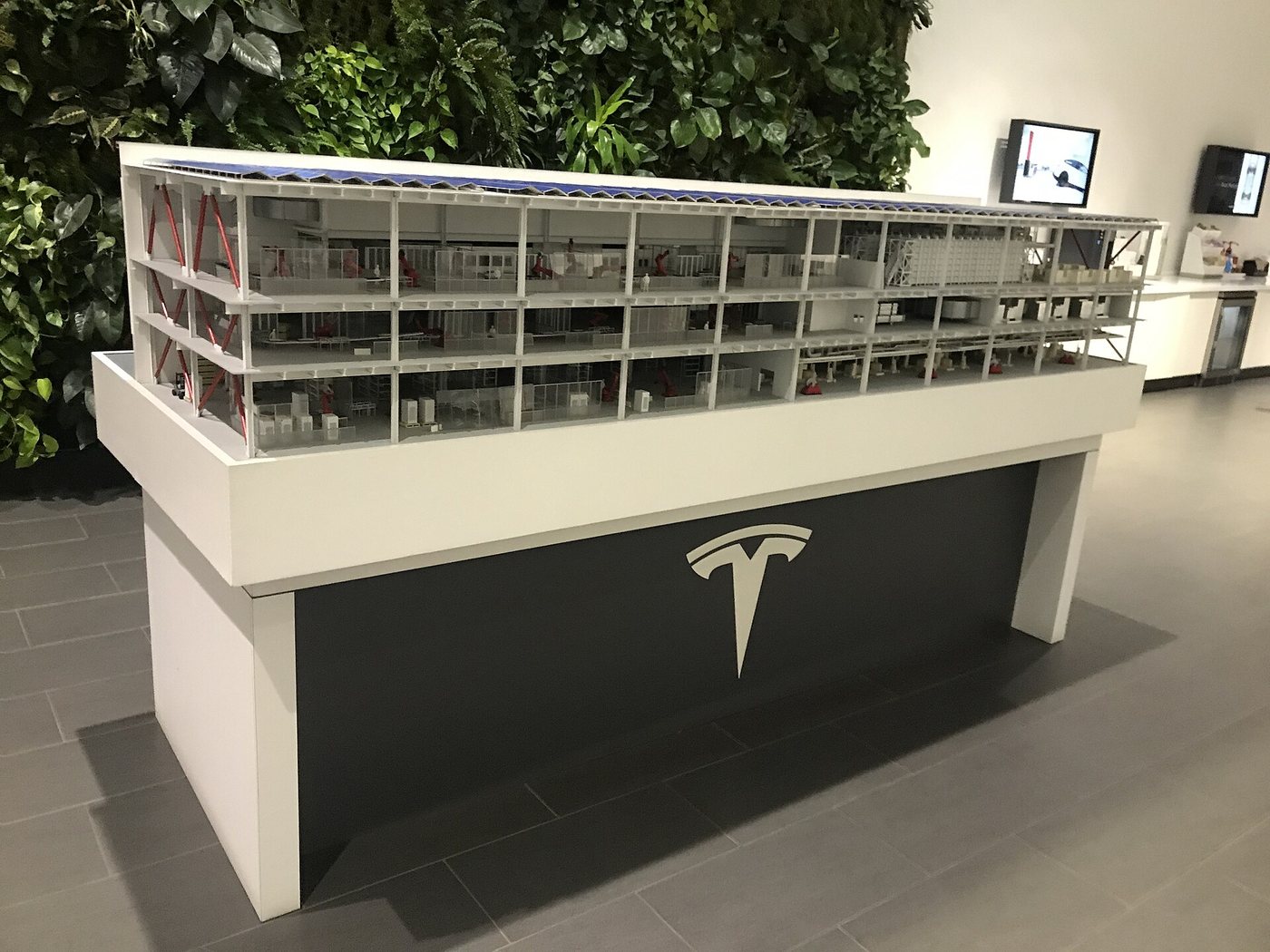
Energy tells the same story from the other side. Tesla deployed 13.7 gigawatt-hours of storage in the quarter, up from 12.5 a year earlier, and Megafactory Texas has started production with planned capacity of 50 gigawatt-hours a year. Growth in stationary storage competes for the same cells as vehicles, and it carries different margin and contract structures, which is why cell allocation is now a board-level topic at Tesla rather than a purchasing detail.
For component buyers, the Semi ramp is a useful map of demand. A Class 8 electric truck concentrates power electronics: silicon-carbide traction modules, high-voltage contactors and fuses, isolated gate drivers, current and temperature sensing, DC-DC conversion for 24-volt loads, and sealed high-voltage connectors rated for vibration and long service life. Every one of those parts carries automotive qualification and multi-year validation, so capacity has to be booked well before the truck line reaches rate.
The Cybercab programme adds a second stream with different economics. Tesla lists more than 125,000 units of Cybercab capacity in Texas, and Robotaxi vehicles have logged close to two million unsupervised miles. Robotaxi fleets also need depot charging hardware, service diagnostics and redundant sensing, all of which are procurement categories rather than software features.
Readers building similar electrified platforms can source the supporting silicon from our catalogue, including the DRV8316 three-phase motor driver, the BQ25756 buck-boost charger and the INA238 power monitor for high-voltage rail telemetry.