 YouHuYou Components
Tesla Cybercab Faces 30 October NHTSA Deadline
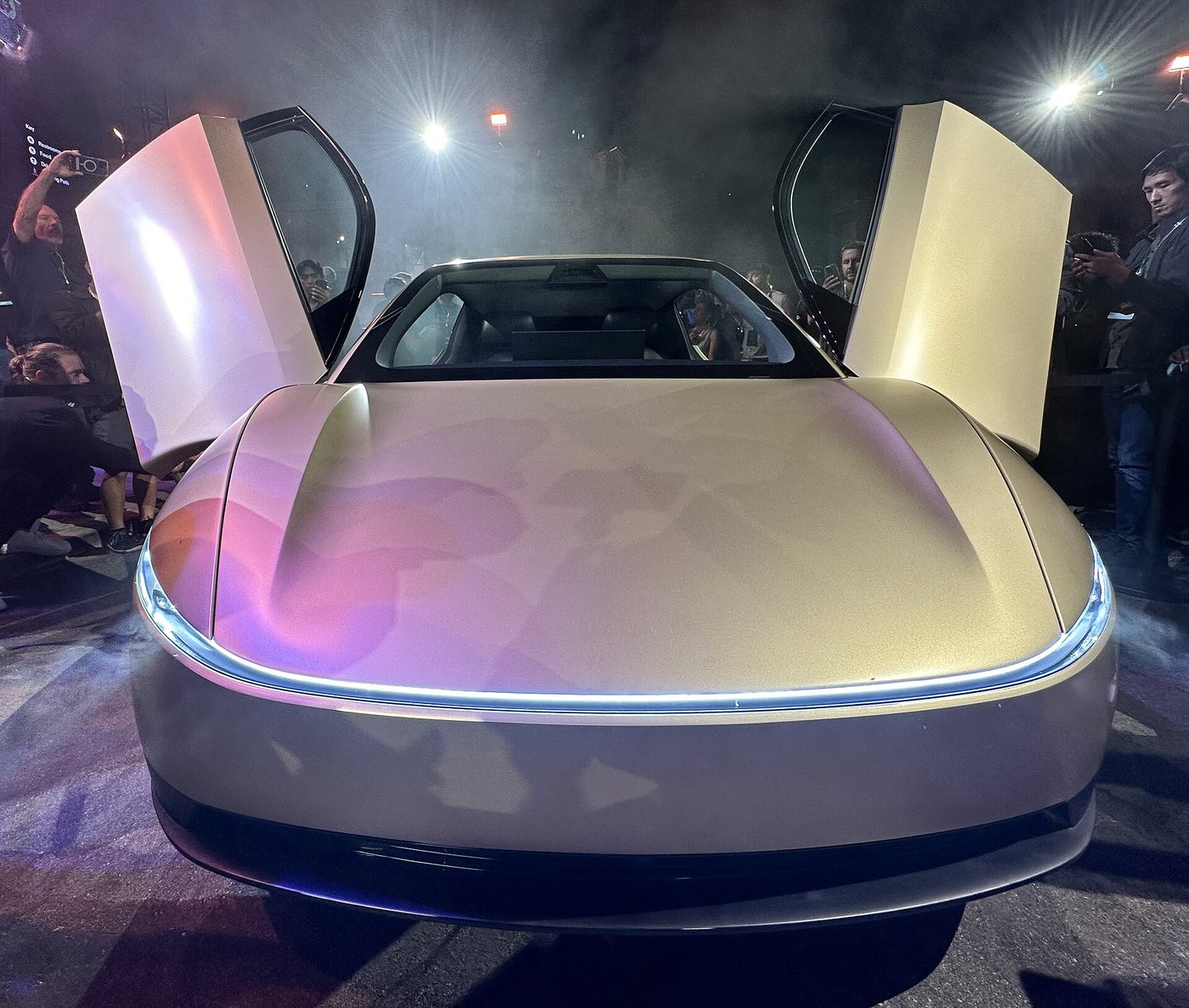
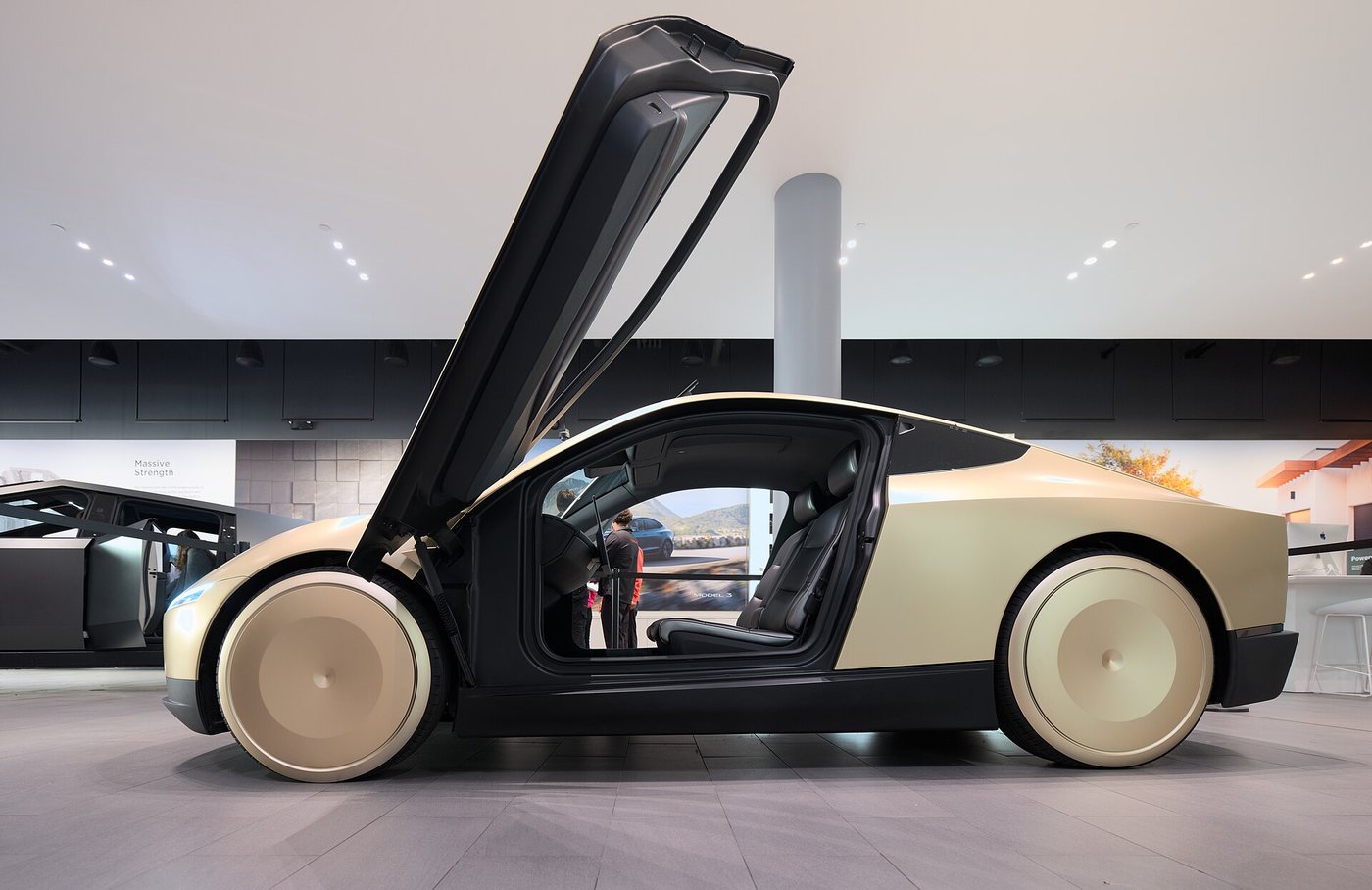
Tesla is deploying the Cybercab in small numbers in Austin while the National Highway Traffic Safety Administration investigates how a vehicle with no steering wheel and no pedals was certified for road use. Tesla is required to explain its certification process under oath, and the agency's 30 October deadline is now days away. The company has not publicly resolved the question, and the exposure is not trivial: civil penalties in a case of this kind can reach USD 139 million.
Management is still promising customer deliveries in 2026. Vice president of vehicle engineering Lars Moravy told analysts after the third-quarter report that Tesla is trying to get Cybercabs to customers by the end of this year, and AI chief Ashok Elluswamy said the service should extend to Dallas next month while conceding that regulatory approval is the gating item rather than production capacity. NHTSA has proposed amending the rules to create legal space for vehicles without driver controls, but the amendment has not been adopted.
The third quarter behind those statements was uneven. Revenue was USD 28.05 billion, down 0.2 percent year on year, net profit fell 42.7 percent to USD 787 million, and deliveries reached 486,500 vehicles. Automotive gross margin excluding regulatory credits improved 1.8 points sequentially to 18.1 percent, free cash flow was positive at USD 1.53 billion, and capital spending for 2026 is guided at about USD 20 billion. Paid Full Self-Driving users rose 17.6 percent sequentially to 1.74 million, half of them on subscription, with annual recurring revenue approaching USD 1 billion. China Merchants Securities cut its target price 19.7 percent to USD 354 and kept a neutral rating, citing a slower Cybercab ramp.
For component suppliers the regulatory question is a volume-timing question. A robotaxi fleet concentrates demand in a narrow set of qualified parts: redundant steering and braking actuators, high-voltage contactors and fuses, isolated gate drivers, current and temperature sensing, DC-DC conversion for 24-volt loads, sealed connectors and depot charging hardware. All of them carry automotive qualification and multi-year validation, so a slipped certification does not cancel the engineering work, but it does move the point at which tooling and capacity have to be committed.
Suppliers holding Tesla nomination letters should confirm whether volumes are tied to a certification milestone, and should avoid booking wafer or connector capacity against a date that depends on a federal rulemaking. Buyers on the other side of the table should treat 2027 as the realistic first volume year. Our catalogue lists automotive-adjacent parts used in these builds, including the TMCS1100A2 Hall current sensor and the SN65HVD230 CAN transceiver.