 YouHuYou Components
SpaceX Static-Fires Booster 22 Ahead of Double Catch
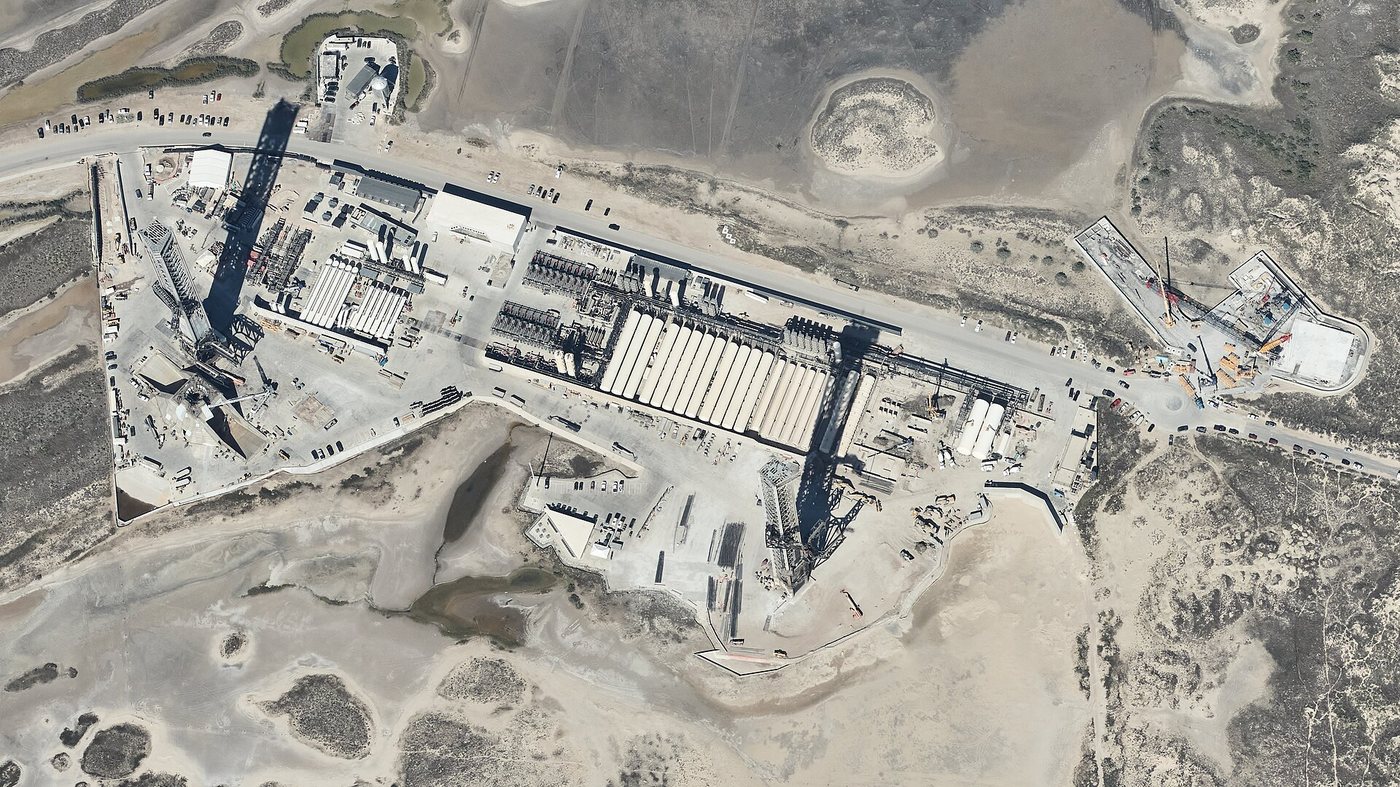
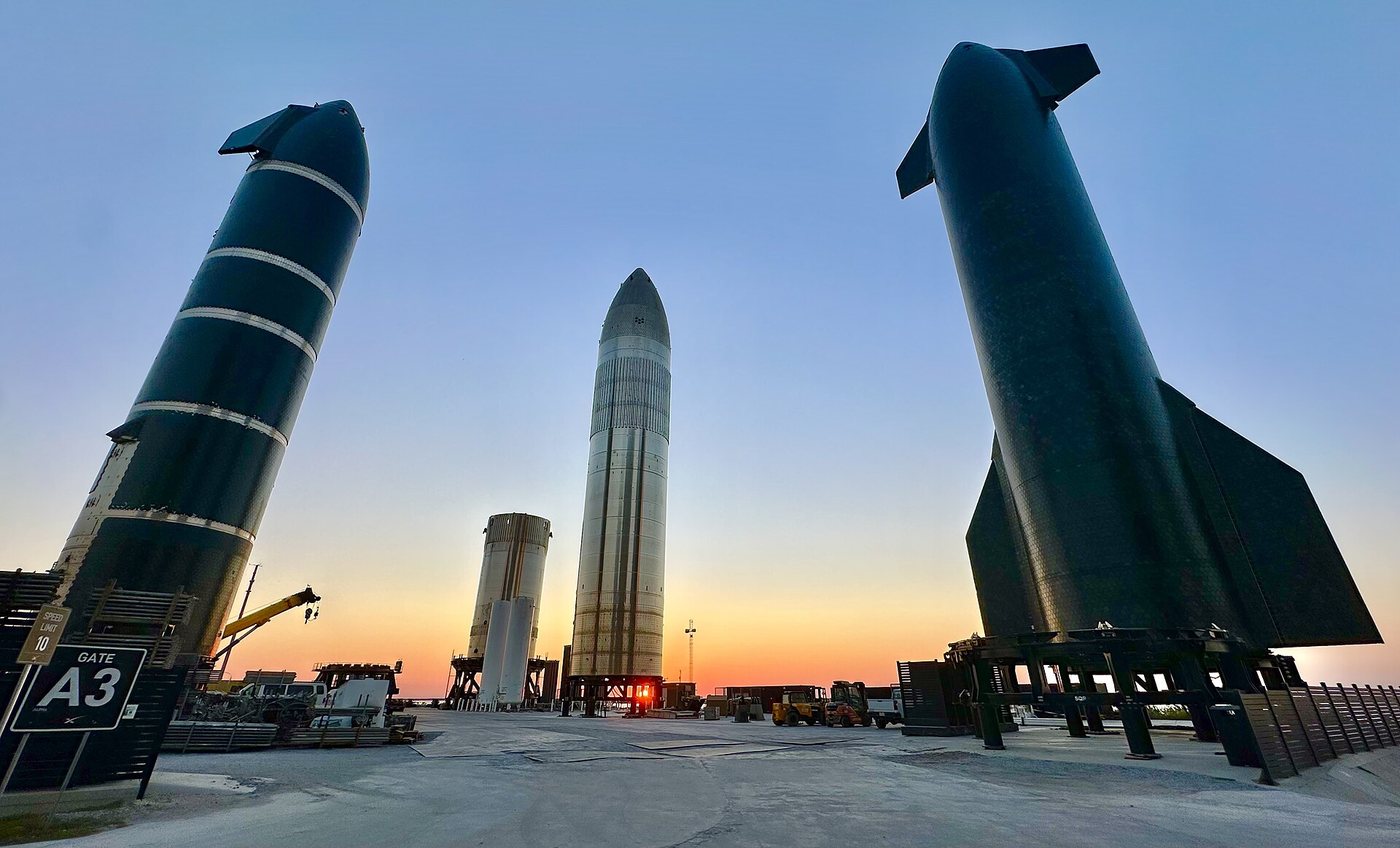
SpaceX completed a full-duration static fire of Super Heavy Booster 22 on 26 October, igniting all 33 Raptor engines at Starbase. The booster has been cleared from the pad for final stack integration, while Ship 42 returned to the Massey test site for cryogenic proof testing after all six engines were removed; it will go back to Mega Bay 2 for engine installation and its own static fire. Unofficial air traffic planning points to a launch no earlier than 8 November, though SpaceX has not announced a date.
Flight 15 is intended to be the first mission that attempts to recover both stages at the tower. SpaceX has caught the booster three times since Flight 5 in October 2024 but has never attempted to catch the ship, and the company expects its FAA licence to authorise both vehicles to return for a catch. The mission follows Flight 14, the first orbital Starship flight, which deployed 26 Starlink V3 satellites during a roughly ten-hour mission and splashed down off Chile after one Raptor shut down early on ascent.
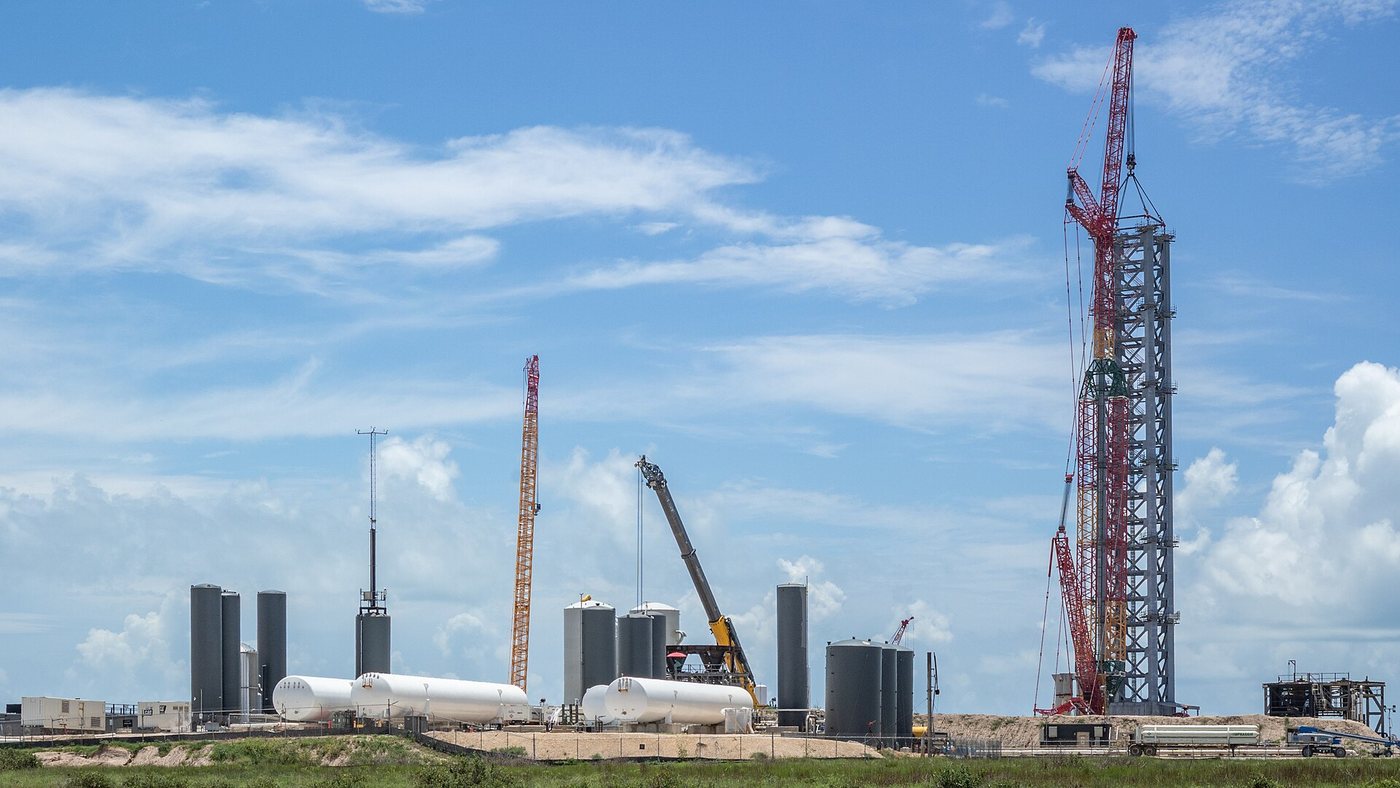
The commercial backdrop has shifted toward compute. SpaceX has reportedly completed about USD 40 billion of debt financing to buy GPUs and build capacity, with fourth-quarter capital expenditure guided in the USD 35 billion to USD 40 billion range, and a separate binding lease commitment of roughly USD 40 billion covering Nvidia Vera Rubin systems. Musk has also confirmed that Starlink V3, now being deployed, carries roughly 100 times the bandwidth of V2, in the order of 1 Tbps downlink and 160 Gbps uplink per satellite.
Launch cadence tells the transitional story. Falcon 9 has flown 116 times in 2026 against 165 in 2025, because Starlink deployment is being shifted to Starship, and SpaceX has said the Falcon family will retire once Starship reaches multiple flights per week. For suppliers, that changes the mix rather than the total: fewer expendable-path parts, more reusable-path parts that must survive repeated thermal and vibration cycles.
Space-grade procurement is unforgiving on traceability. Radiation tolerance, outgassing, hermeticity, lot traceability and screening documentation matter more than unit price, and requalification after a design change can take a year. Suppliers should expect demand for high-reliability connectors, RF front ends, power conversion and radiation-tolerant logic, with volume tied to launch rate rather than to constellation size.
Buyers building ground segment or test equipment have shorter cycles. Our catalogue covers the instrumentation parts used in those benches, including the ADS1115 16-bit ADC and the MSPM0G3507 Cortex-M0+ MCU, both stocked to order with published ladders.