 YouHuYou Components
Sushiro Rat Incident Puts Restaurant Rodent Control in Focus
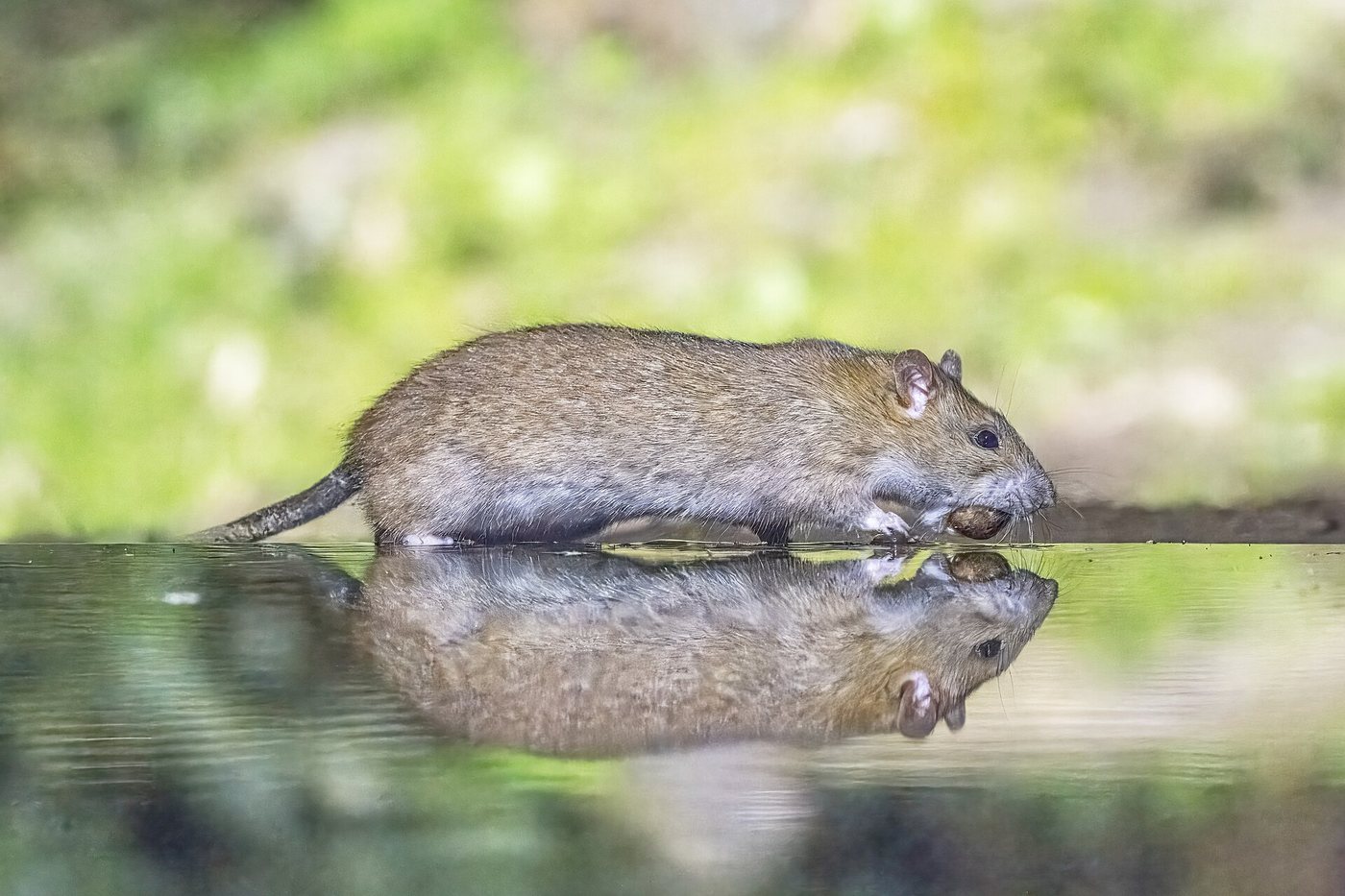
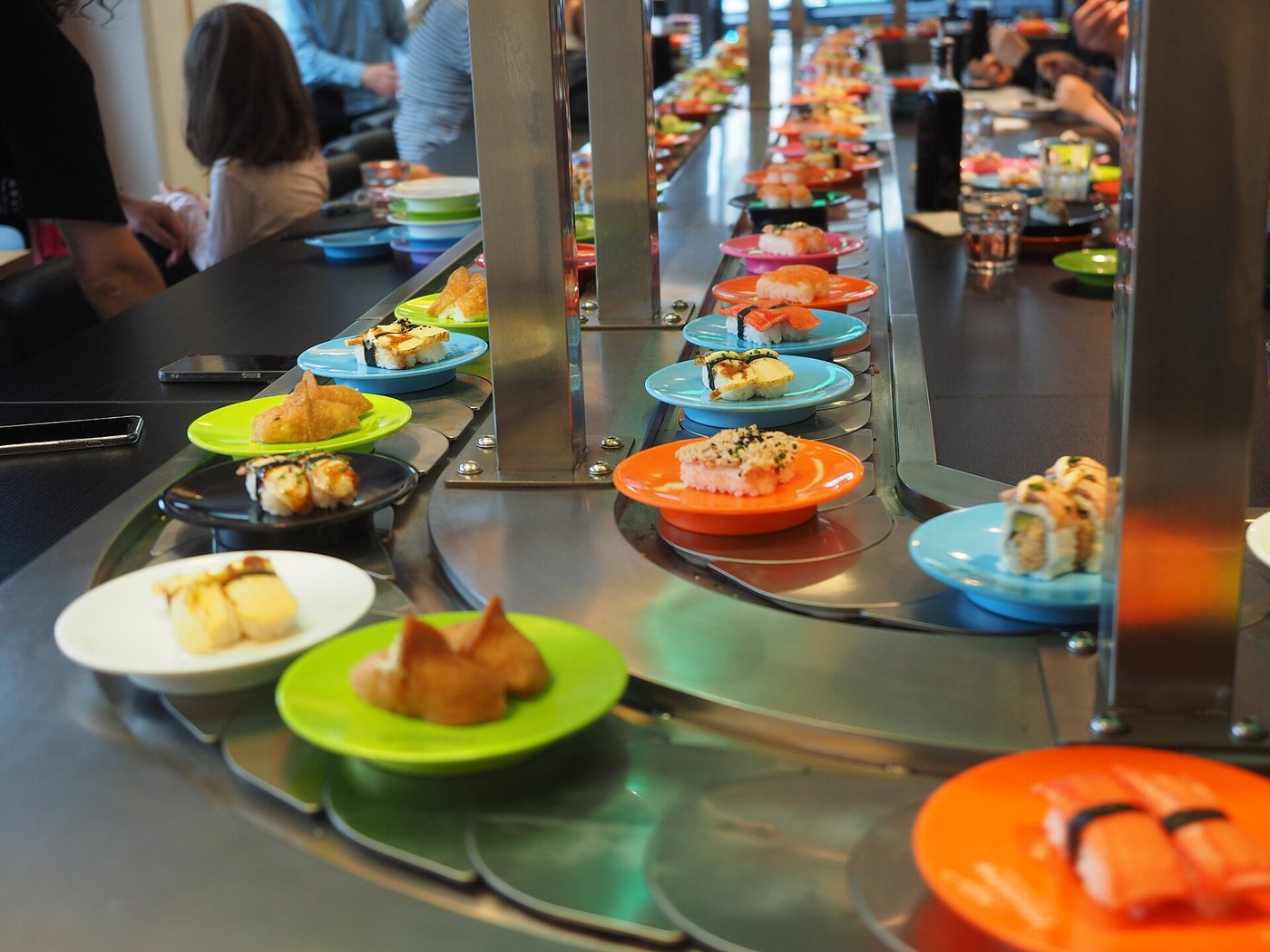
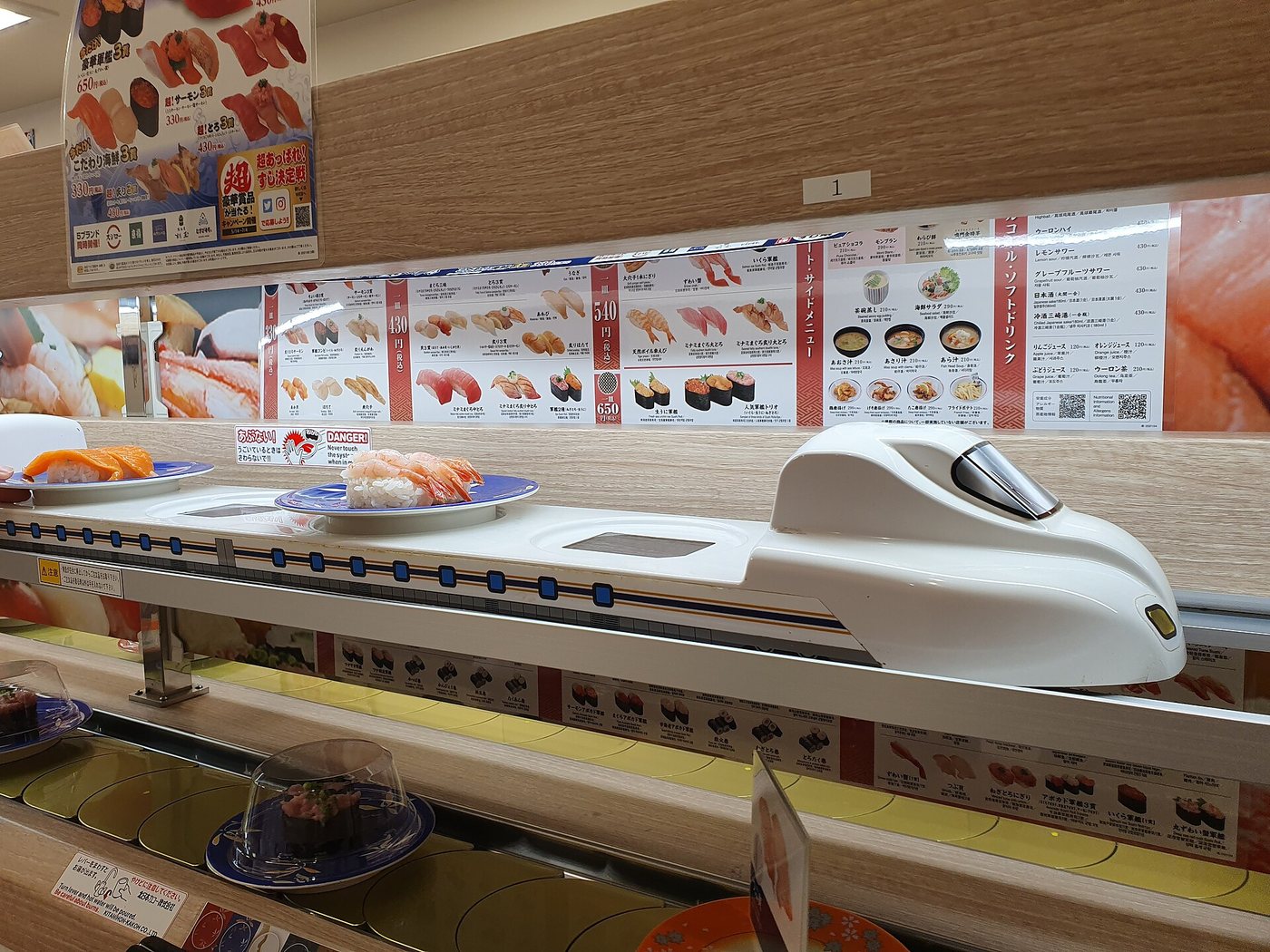
A live rat ran across a food conveyor belt at a Sushiro restaurant in Wuhan on 24 October 2026, and video of the incident spread quickly on Chinese social media. The operator suspended the store the same day, discarded affected ingredients, sanitised equipment and brought in a professional pest control company for a full inspection. The episode is a reminder that rodents seek warmth and food indoors as temperatures drop, and that restaurants, central kitchens and food warehouses are their autumn targets.
For procurement teams in food service and retail, the lesson is that rodent control is now an auditable line item, not a seasonal afterthought. Chains increasingly specify non-toxic devices in kitchens and dining zones, where chemical bait is restricted. That shifts demand toward ultrasonic rodent repellers, snap and live-catch traps, and sealed bait stations for dock and waste areas.
Three specs matter when sourcing devices for food-adjacent zones. First, ingress protection: equipment near wash-down areas should be rated IP65 or better. Second, no contamination path: choose designs with no exposed adhesive or grease, so a failed unit cannot become a hygiene finding. Third, coverage honesty: ultrasonic units work room-by-room and lose range through walls, so specify units per enclosed zone rather than per floor.
Buyers briefing an audit team should also pair devices with physical proofing. Rodents enter through gaps larger than 6 mm, so door brushes, pipe collars and mesh on vents carry as much weight as any electronic device. The most resilient programs combine both, document placement, and log monthly checks.
For distributors supplying restaurant groups this quarter, the autumn window is real: inspections after each public incident tend to trigger chain-wide device refreshes within weeks. Stocking IP-rated ultrasonic units and non-toxic stations ahead of Q4 contracts is the practical takeaway.