 YouHuYou Components
Harvest Season Rodent Watch Moves to Grain Stores
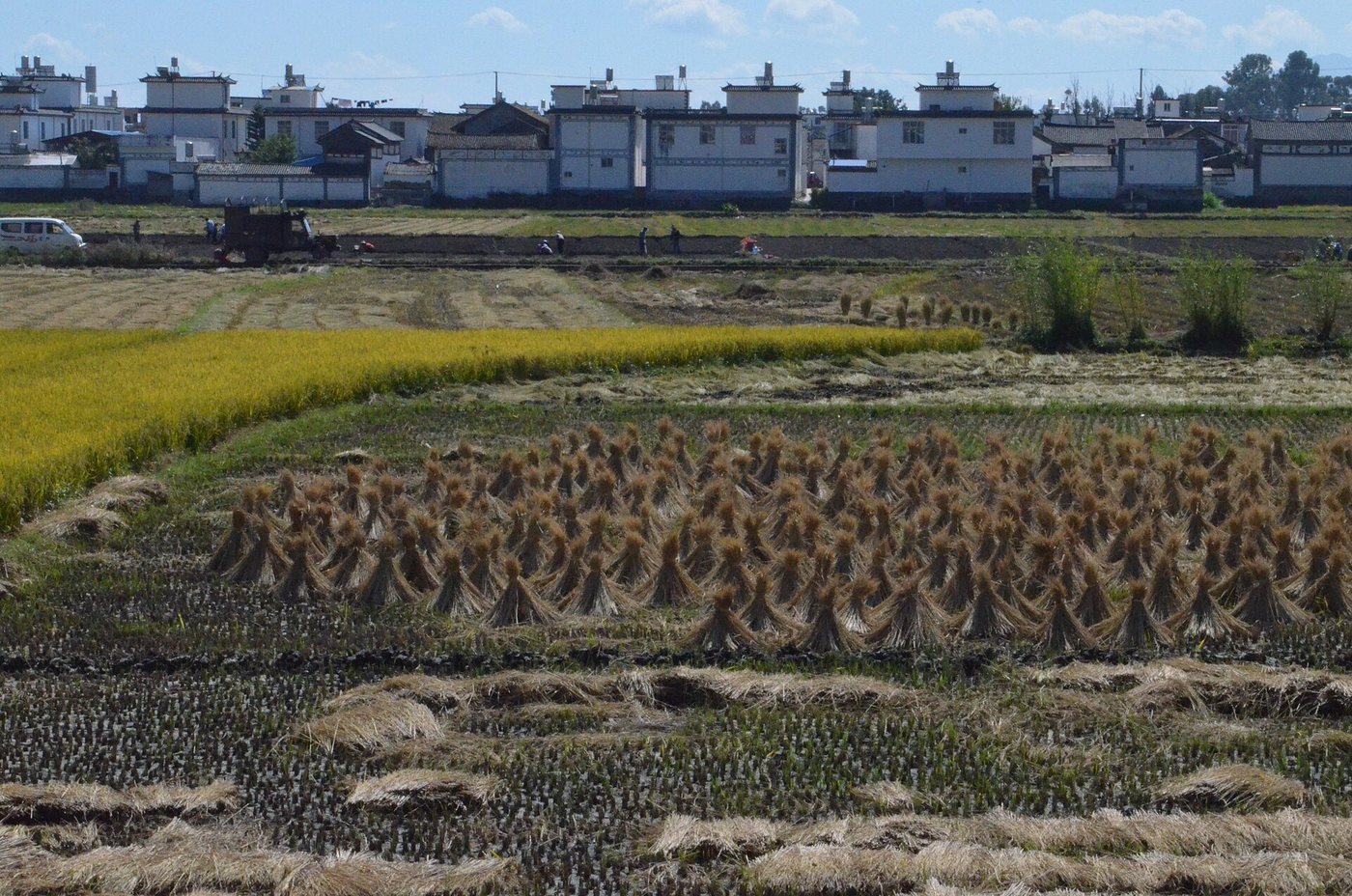
Hubei's provincial plant protection station sent a rodent-control specialist team to Xiangyang in late October to supervise monitoring and control during the rice harvest, according to an October 27 report from the city agriculture bureau. The timing is deliberate: with rice being cut, dried and moved into storage, rodent activity concentrates around fields, drying yards and village grain stores, where gnawing damages sacks, contaminates stored grain and chews through storage structures.
The inspection covered rice fields in Niushou town, farm drying yards and village-level storage points, checking rodent signs, burrow density and activity. Xiangyang's plant protection station has run year-round monitoring in Niushou, placing fixed monitoring points around fields, bunds, drying yards and warehouses, logging rodent density at regular intervals and using the trend data to time control. The provincial team's guidance was to pair scientific control with township-village coordination, and to push sealed household grain storage so that harbourage is removed at source.
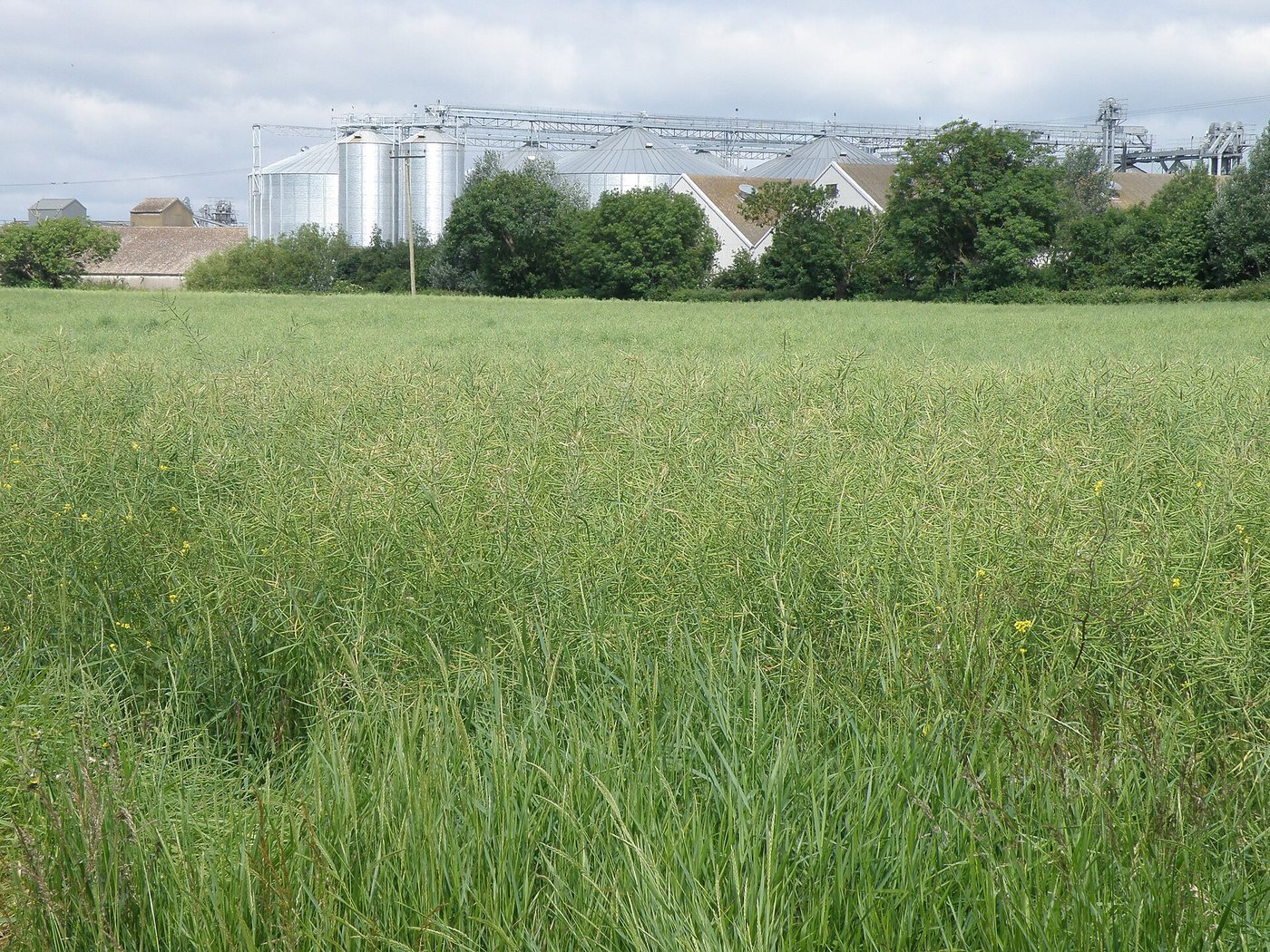
For buyers in agricultural and warehouse channels, this is the same seasonal pattern that drives commercial demand elsewhere. Rodents move indoors and into stored product when field food sources dry up, and the facilities that suffer most are grain stores, feed mills, food factories and cold-chain warehouses with loading bays that never fully seal.
The control hierarchy matters more in these settings than in homes. Audited food facilities operating under HACCP, BRCGS or equivalent schemes generally prohibit loose bait indoors and require tamper-resistant stations with documented placement maps, so the spend shifts to exclusion hardware, mechanical traps and electronic deterrents able to cover large open volumes. Cable and conduit protection is a separate line worth stocking alongside, since gnaw damage to control wiring is a recurring failure in grain handling and feed plants.
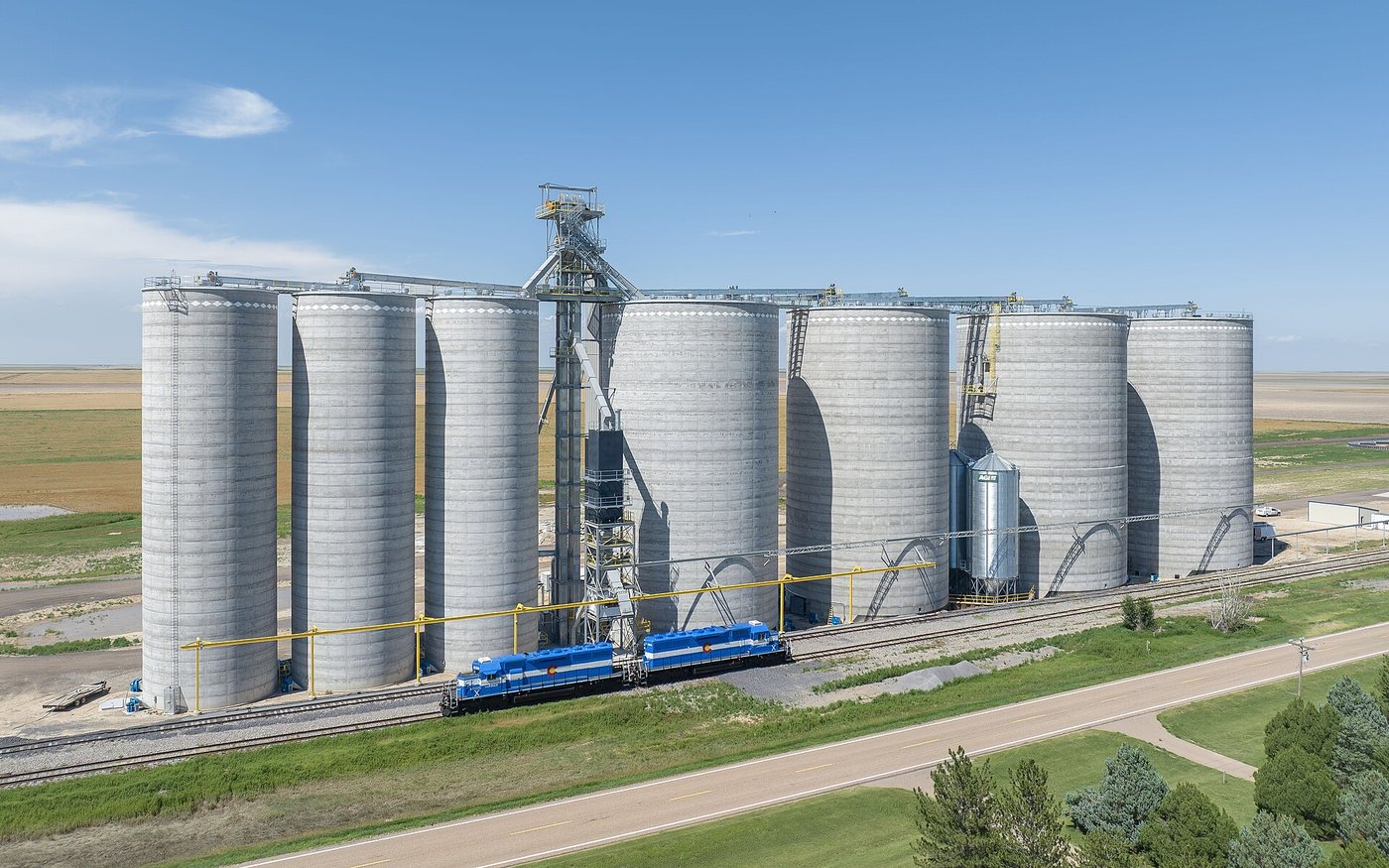
When specifying electronic units for this environment, ask for a coverage figure measured in a high-bay space rather than a living room, an IP rating that survives dust and wash-down, and a mounting option for roof trusses or racking. Ultrasonic coverage is line-of-sight and does not pass through stacked pallets or sacks, so placement planning is part of the sale. Buying teams that pair a warehouse-grade rodent repeller with door sweeps, brush strips and drain guards sell a system, and the consumables and hardware that go with it recur every season. The same logic applies when sourcing the sensing and control electronics behind monitoring programmes, where a qualified second source for standard components keeps service programmes running through a shortage cycle.