 YouHuYou Components
Autumn Rodent Peak Drives City-Wide Baiting in China
Nanchang has launched its 2026 autumn city-wide rodent control campaign, with a synchronized baiting operation scheduled for 18:00 on Friday, October 30, according to local reporting published October 28. As temperatures fall, rodent activity shifts into residential blocks, restaurant districts, wet markets and commercial streets, and autumn is the year's second breeding peak after spring.
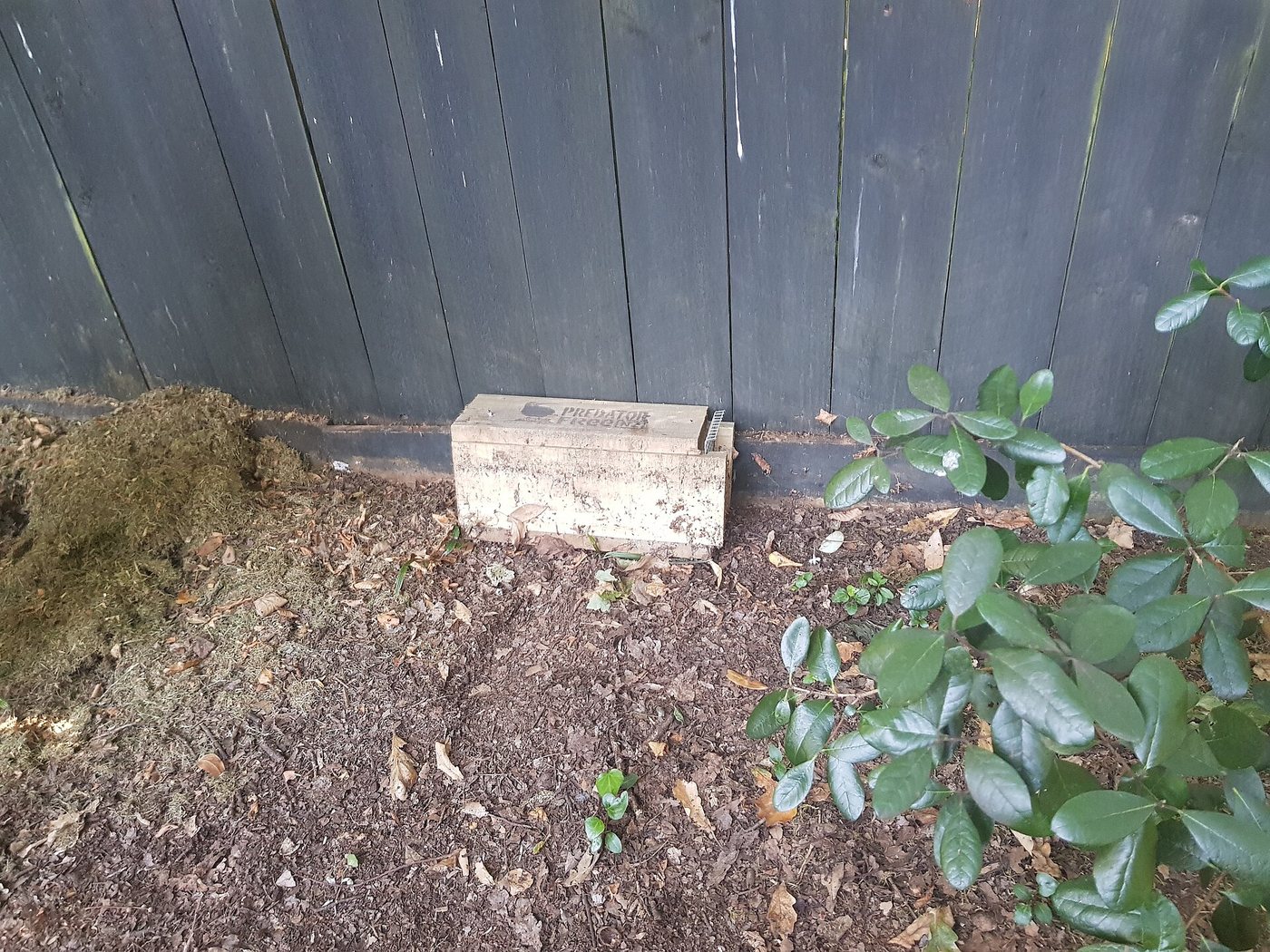
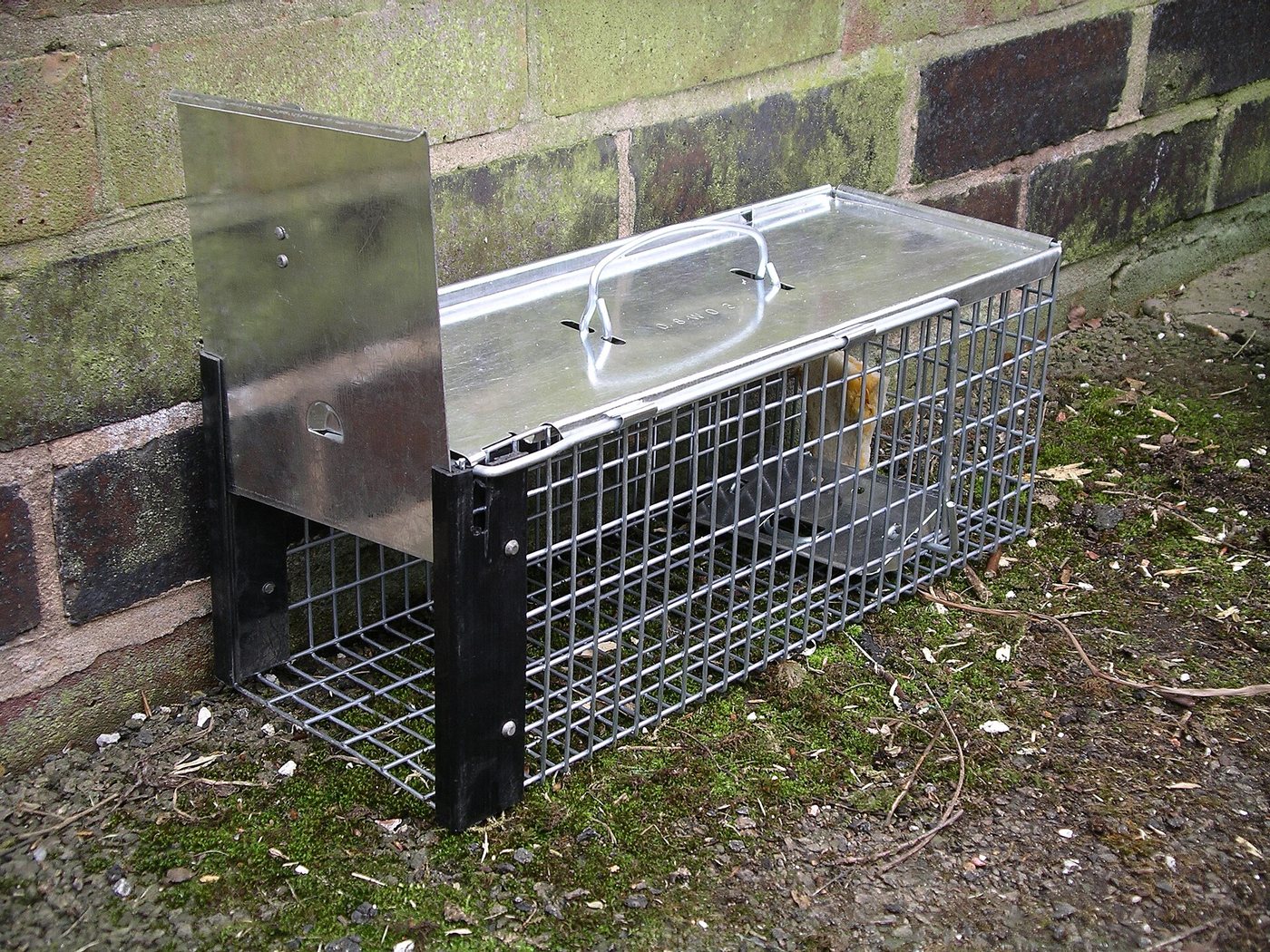
The campaign runs a four-step protocol: clear food and harbourage, seal entry points, apply targeted protection, and bait to standard. Crews are sealing gaps larger than 0.6 cm around doors, windows, drains and pipe penetrations, fitting door guards and wire mesh, and installing numbered, labelled bait stations at roughly one per 2,500 square metres or one per building. Kitchens, food-processing sites, schools and nurseries are excluded from chemical baiting and switched to glue boards and cage traps instead, with only nationally registered anticoagulant rodenticides permitted.
Similar drives are running elsewhere. Shifang city announced a fifth round of vector control across its built-up area from October 28 to November 11 covering 21 categories of priority sites, and Dalian's Nansong community completed a targeted autumn treatment on October 27. The pattern is consistent: municipal budgets for rodent and vector work concentrate in the autumn window, and they pull orders for traps, bait stations, seals and electronic devices.
For buyers, the seasonal signal is straightforward. Northern Hemisphere demand for ultrasonic and electronic rodent repellers, glue boards and tamper-resistant stations peaks from October into December as rodents move indoors, and European and North American distributors place the bulk of that volume in Q4 for a winter sell-through. What has changed is the compliance bar: chemical baits face tightening retail and professional restrictions in several US states and EU markets, so more of the seasonal spend shifts to physical and electronic control.

Practical checks before a Q4 order: confirm CE and RoHS documentation for the UK and EU, UKCA marking for Great Britain, and EPA establishment status where a device is sold as a pesticide in the United States. Ask for a stated coverage area measured in open field, not a marketing radius, and for IP ratings if units go into kitchens, bin stores or warehouses. Because factory calendars tighten ahead of Chinese New Year on February 6, 2027, orders placed after mid-December tend to land in March rather than February.