 YouHuYou Components
What Ultrasonic Repeller Claims Must Prove Before You Buy
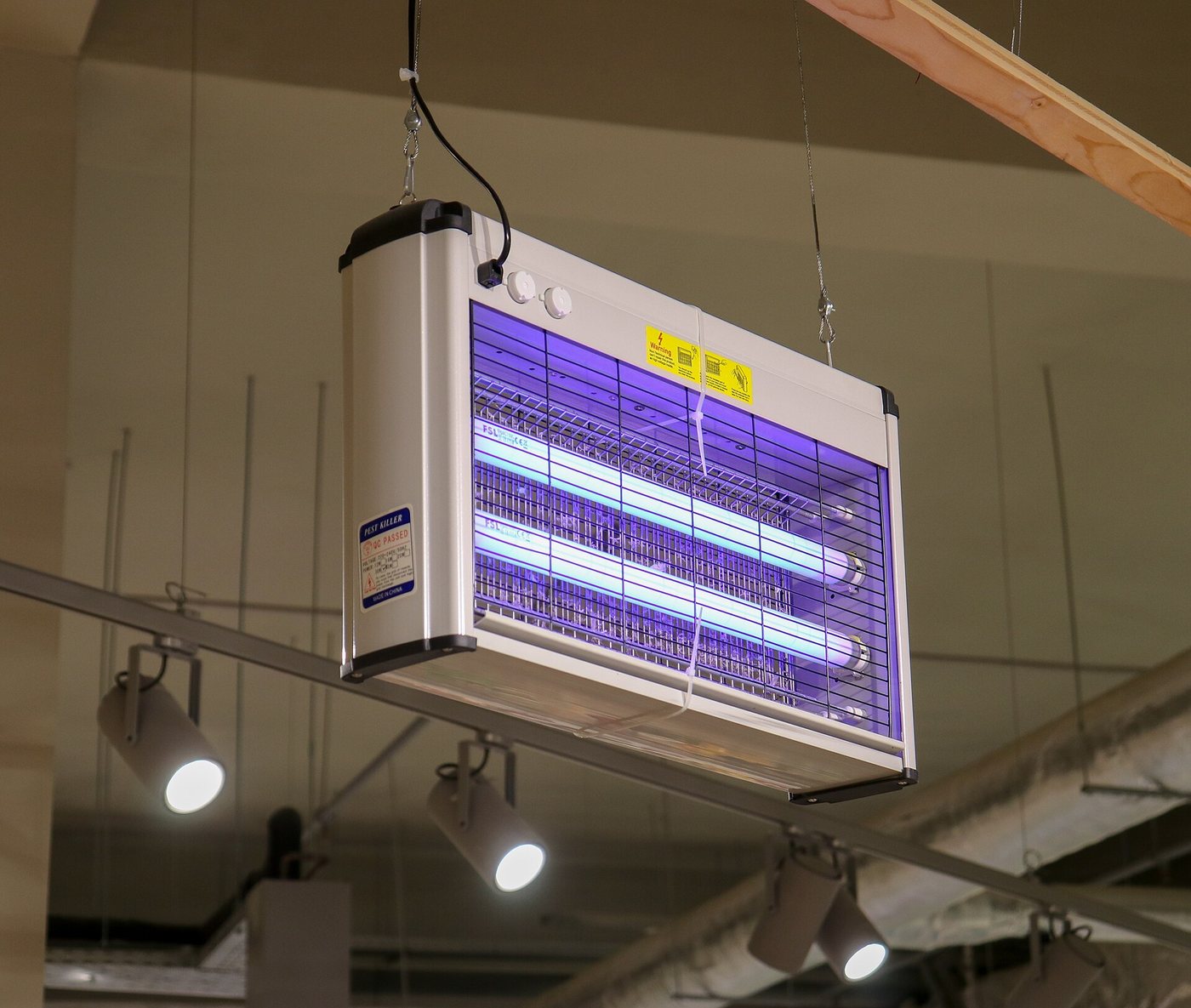
Ultrasonic repellers remain one of the most contested categories in pest control hardware, and buyers who place seasonal volume without checking claims inherit the risk. The evidence base is unusually consistent. The US Federal Trade Commission warned makers and sellers of ultrasonic pest devices as far back as 2001 that efficacy claims needed reliable scientific evidence, and it has acted against manufacturers since. A 2007 Cochrane review of ten field studies found no evidence that electronic mosquito repellers prevent bites. University extension services, including UC IPM, report that rats quickly become accustomed to repeated sounds, and no repellent tested so far has solved a rat problem beyond a short stretch.
The physics matters as much as the behaviour. High-frequency sound loses energy quickly with distance, travels in fairly straight lines, and does not pass through walls, floors, cabinets or insulation. Soft furnishings absorb it. The result is sound shadows behind every object in a room, and rodents live and travel exactly in those shadows, along walls, behind appliances and inside wall voids. A plug-in in a kitchen outlet does not reach the nest site.
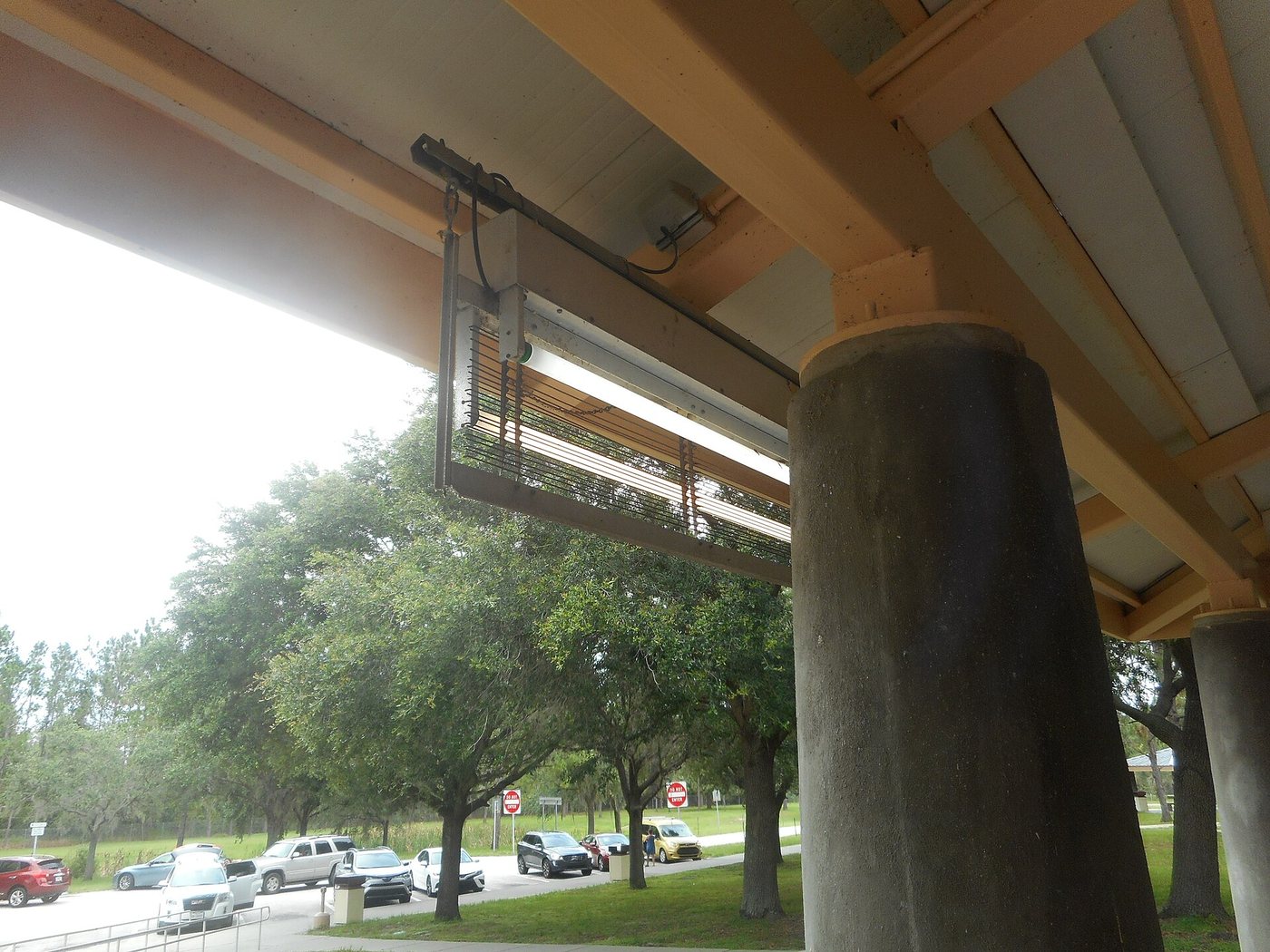
None of this makes the category unsellable. Electronic units are cheap, chemical-free and easy to install, and they fit the integrated pest management model as one layer alongside exclusion, sanitation and trapping. What buyers should not do is sell or market them as a standalone cure, because that is the claim regulators chase.
A workable supplier checklist: ask for the emitted frequency range and the sound pressure level at a stated distance rather than at the transducer; ask for a third-party or university test report with a defined protocol and duration beyond four weeks; ask how coverage area was measured and whether it assumes an empty room; and ask what happens to output after 30 days of continuous duty. On compliance, electronic repellers sold in the EU need CE and RoHS, Great Britain needs UKCA, and any unit marketed as killing or repelling a specific pest with a pesticidal claim may trigger EPA registration in the United States or a biocide assessment in the EU.
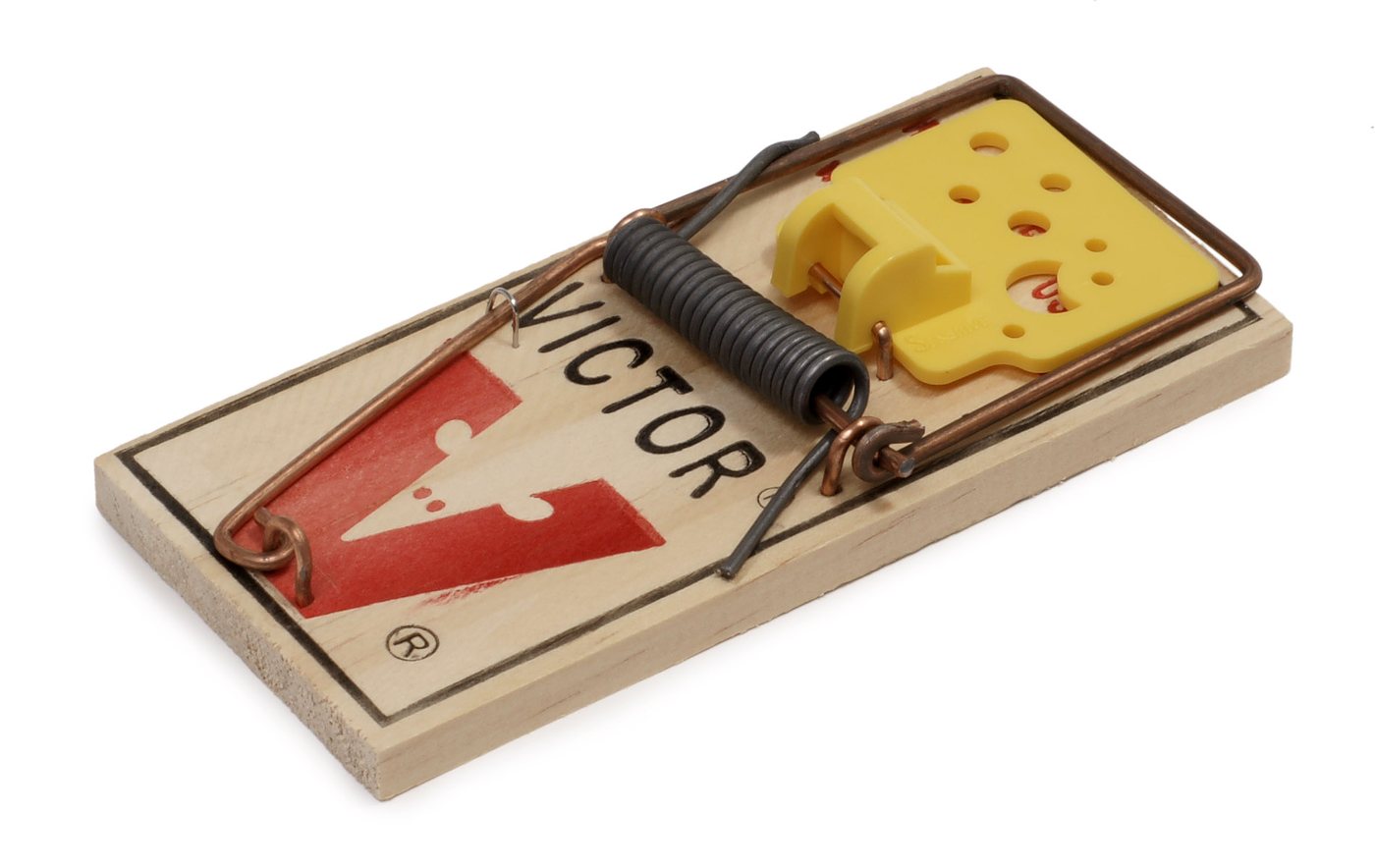
For sourcing teams building a winter range, the honest positioning sells better than the aggressive one. Pair a rodent repeller unit with the exclusion hardware that actually stops entry, and pair seasonal mosquito hardware with larval-source control, and the product line survives scrutiny. The same logic applies across categories, from insect repellers to bird deterrents. Suppliers who can produce test data, traceable component sourcing and stable firmware across production lots are the ones worth a repeat PO.