 YouHuYou Components
US States Move to Ban Retail Rodenticides, Boosting Repellers
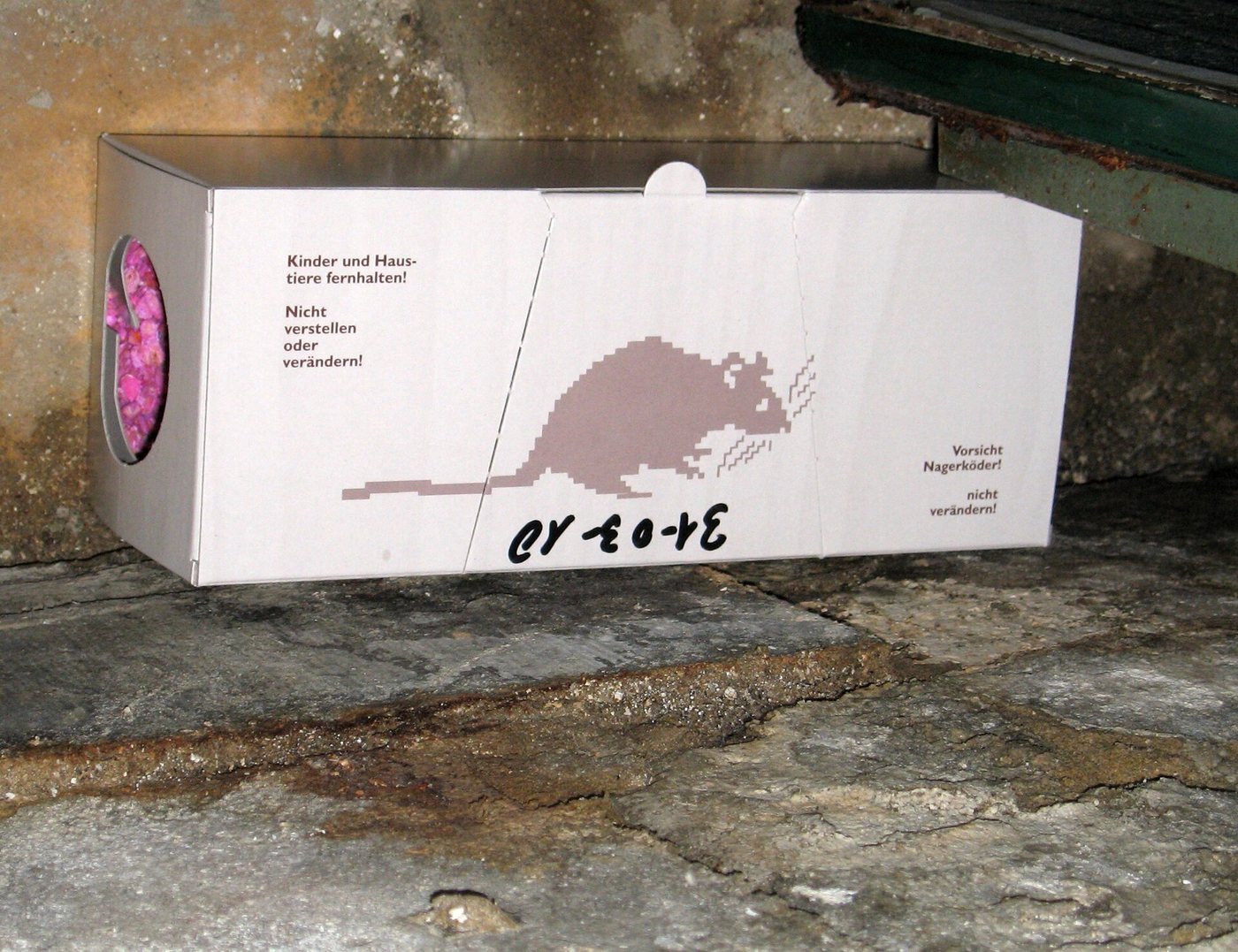
Rodenticide rules are tightening across the United States, and the direction of travel matters for anyone buying or distributing rodent control products. Rhode Island's 2026 law bans first-generation anticoagulant rodenticides from consumer retail on 1 March 2027, second-generation products on 1 January 2028, and most uses of both classes from 1 January 2029, with carve-outs for public health, medical waste and food production. Vermont has a similar bill in committee. The EPA already restricts second-generation anticoagulants to professional and agricultural markets, so the retail shelf is narrowing from both ends.
The UK shows where this leads. Under CRRU stewardship rules, permanent toxic baiting outdoors is no longer acceptable practice; professional users deploy poison only against documented activity and return sites to non-toxic monitoring blocks afterwards.
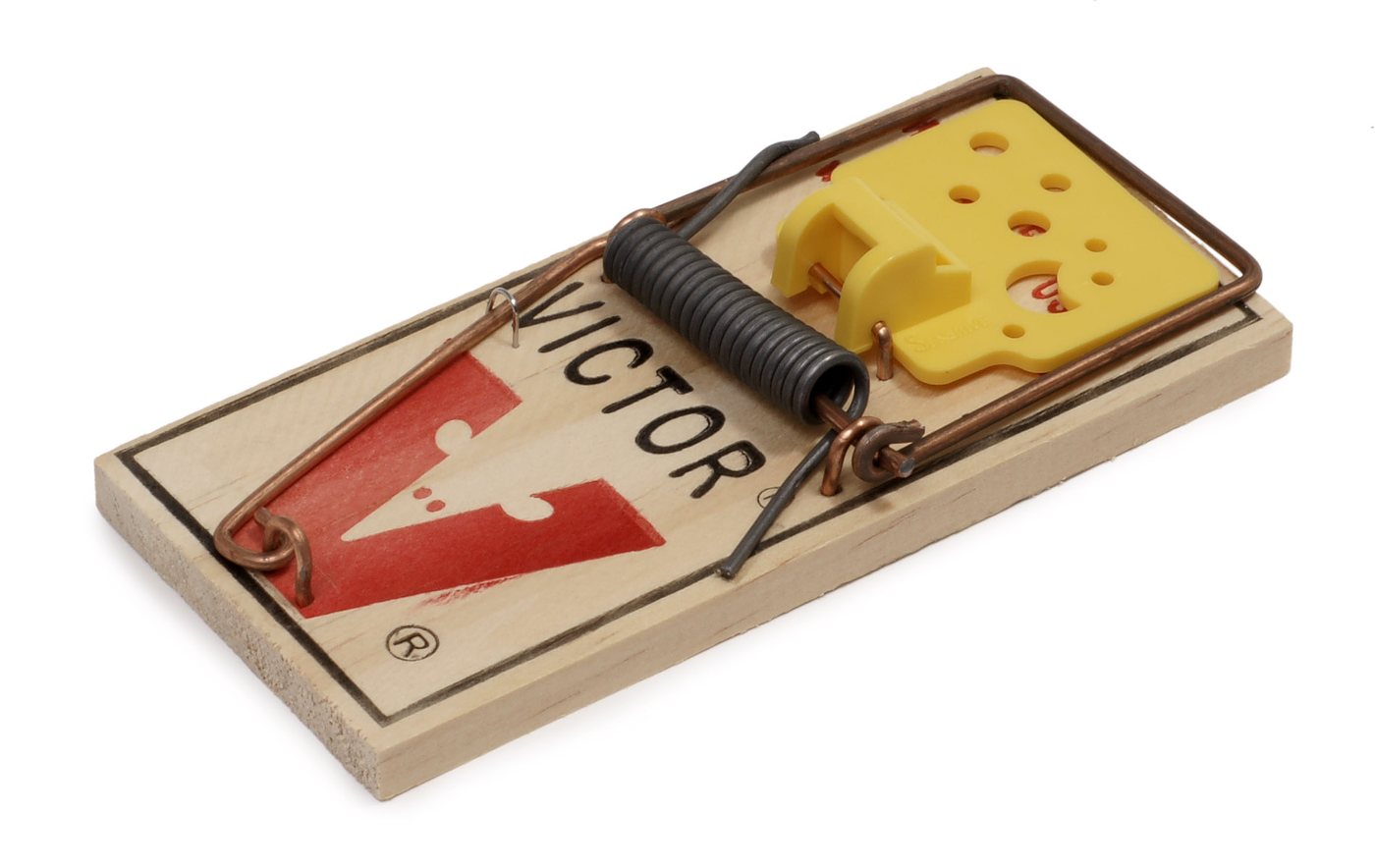
For product buyers the consequence is a structural shift: as poison options shrink, demand moves to non-chemical control. Ultrasonic and electronic rodent repellers, snap traps, live-catch traps and sealed non-toxic monitoring stations are the categories gaining shelf space, especially for homes with pets and children.
When evaluating devices for US retail programs, check the compliance basics early. Electronic repellers sold to consumers should carry FCC Part 15 certification; pest control devices for sale in the US generally need an EPA establishment number on the label. For EU-bound stock, CE marking under EMC and RoHS applies, and REACH applies to any contact materials.
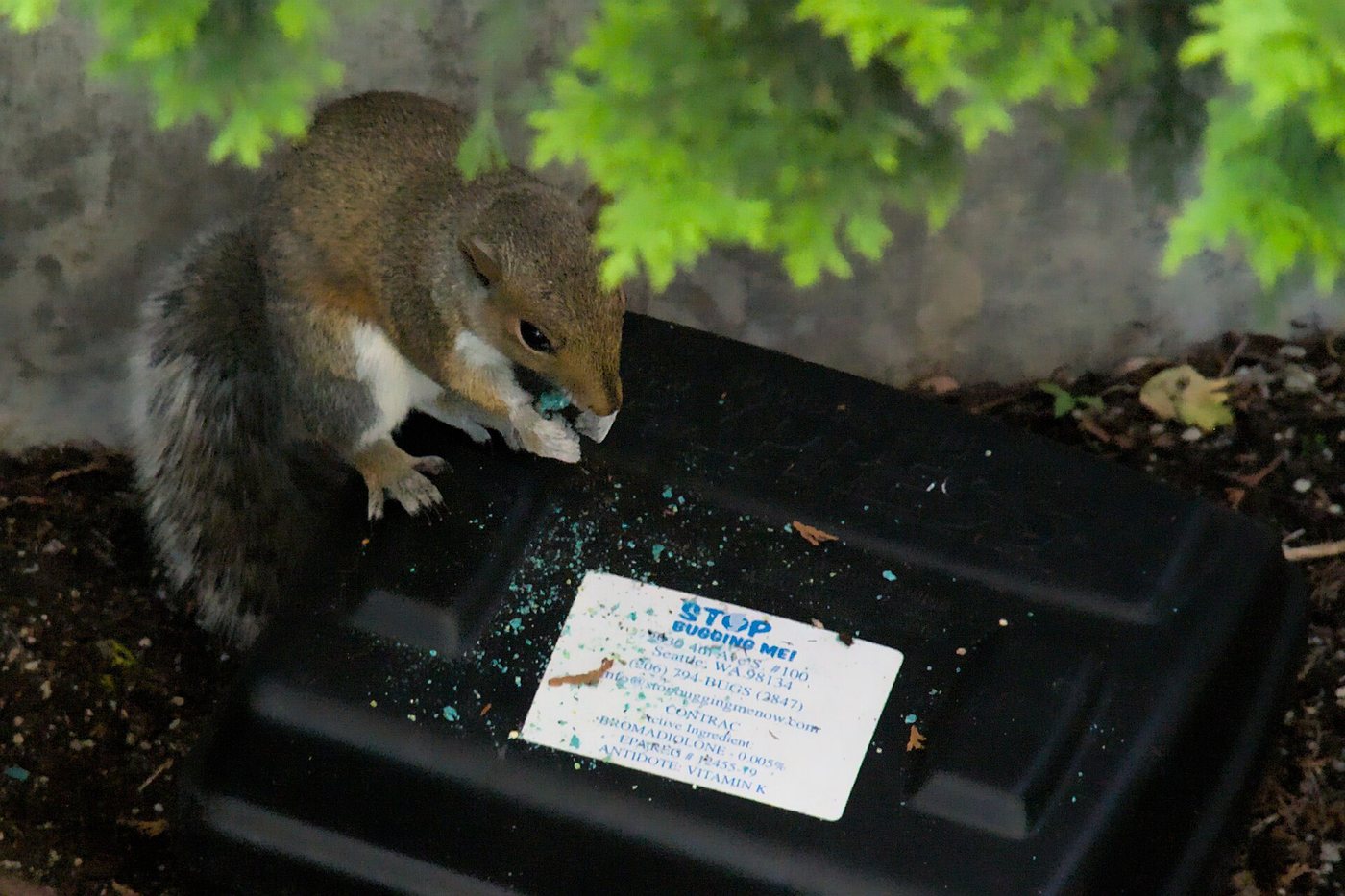
Seasonality amplifies all of this. Mice move indoors as temperatures fall, and retailers restock rodent categories in October and November for the winter peak. With retail poison availability set to shrink further in 2027 and 2028, buyers who lock in non-toxic device supply and packaging claims this quarter will be ahead of the rule changes rather than reacting to them.