 YouHuYou Components
PC Makers Shift Orders Back to Chinese Assembly Lines
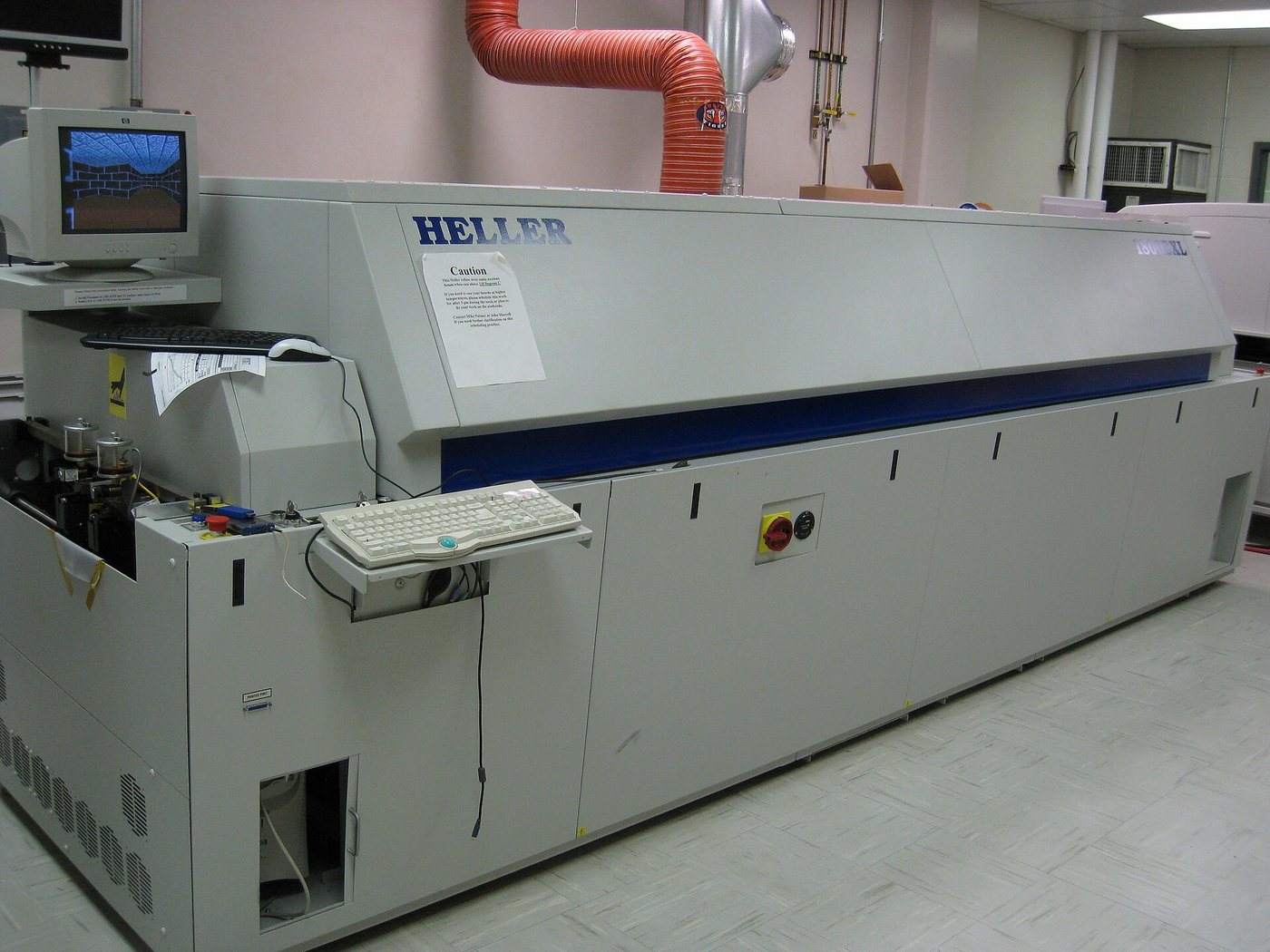
A reversal is underway in PC assembly. Citing Nikkei Asia, Chinese media reported on October 29 that HP, Asus and Acer are moving part of their production capacity from Southeast Asia back to China and deepening cooperation with a new group of Chinese contract manufacturers, with Dell evaluating a similar move. Reuters has observed the same pattern, noting that companies which relocated to avoid US tariffs are now re-ordering from Chinese suppliers.
Three reasons are cited. First, the AI compute boom has absorbed memory capacity and pushed core PC component prices up sharply, so vendors can no longer absorb the cost in margin and need lower assembly and logistics cost to compensate. Second, the Southeast Asian capacity added in recent years has underperformed on cost and efficiency because a complete local component supply chain never formed, and parts still ship in from China. Third, with US-China trade tension easing and high tariffs on China-built PCs suspended, the original reason for moving has weakened.
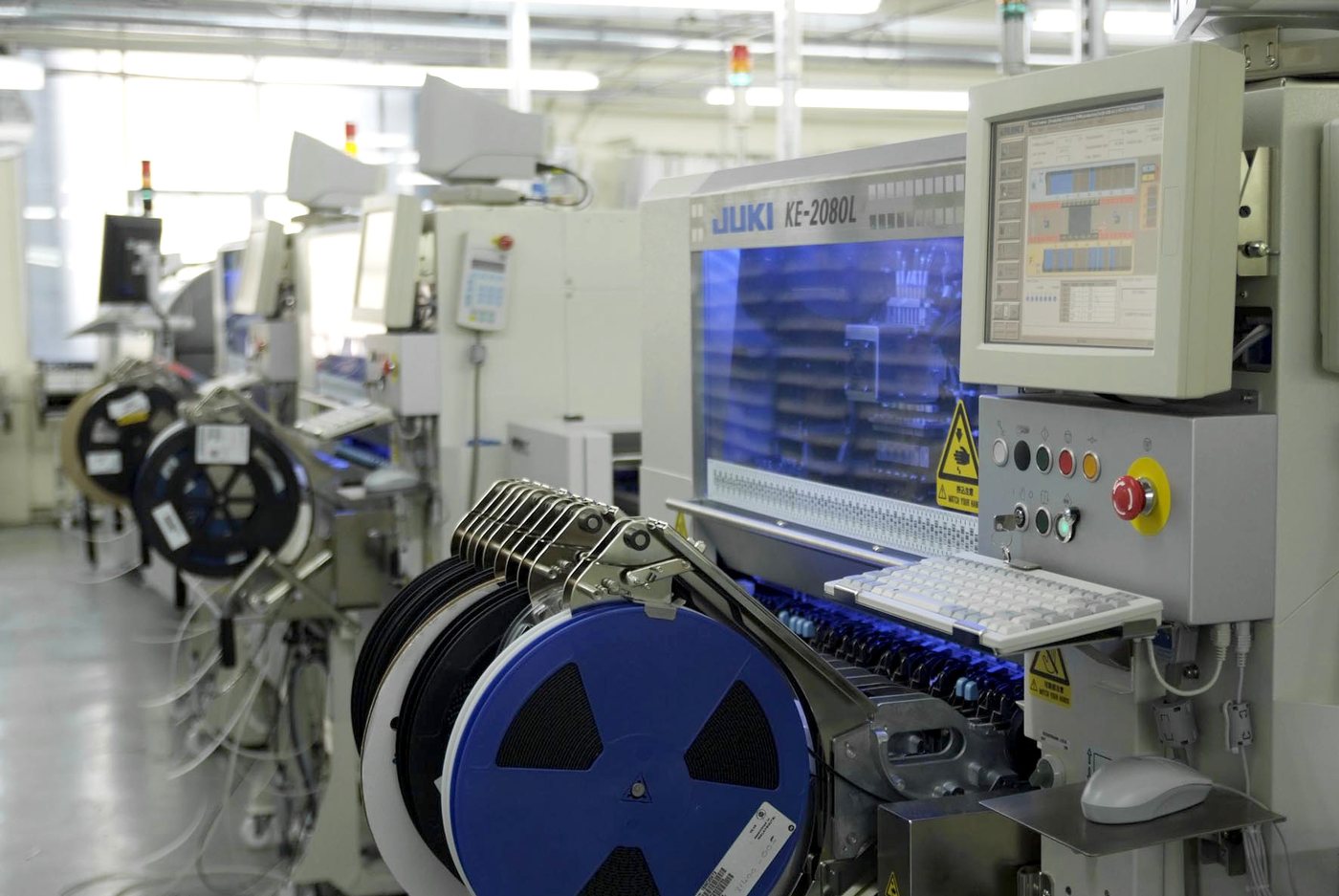
The beneficiaries are Chinese ODMs. Luxshare Precision, Huaqin Technology and Longcheer, which have grown quickly on consumer electronics experience and competitive pricing, have won large PC orders from HP, Dell and Asus over the past year. They also hold domestic memory procurement channels, which matters when global memory is on allocation and helps brand customers stabilize component supply.
For PCBA buyers the lesson is about total landed cost, not headline hourly rates. A lower assembly quote does not include freight, duty, customs administration, currency movement, the extra inventory that long transit forces, or the cost of an engineering change that has to travel back and forth. Southeast Asia remains the right answer for tariff-exposed shipments, and China remains the right answer for dense component ecosystems and fast engineering turns, which is why most serious programmes now run both.
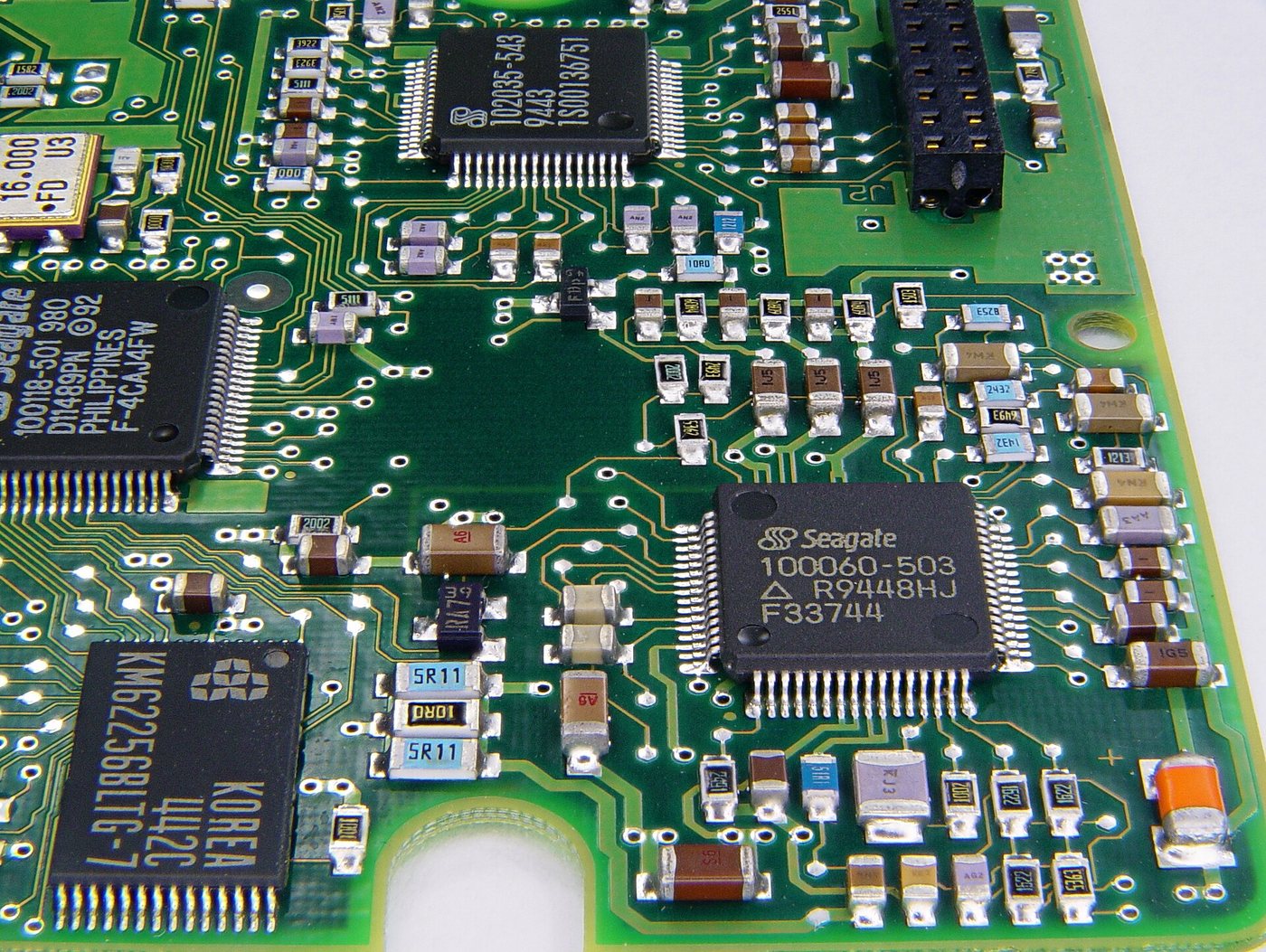
Two operational points. Qualifying a second assembly site takes months, not weeks: IPC-A-610 workmanship standards, AOI and X-ray coverage, functional test fixtures, RoHS and REACH documentation and UL marking all have to transfer. Do it before a tariff or capacity event forces it. And in a memory shortage, decide deliberately whether the assembler buys the BOM or the customer consigns it, because turnkey pricing now carries a financing premium that consignment avoids. Buyers reviewing programmes should confirm assembly capacity and process coverage and check availability of the long-lead components before locking a build slot.