 YouHuYou Components
CircuitHub Details Dual PCBA Lines for Prototype-to-Volume
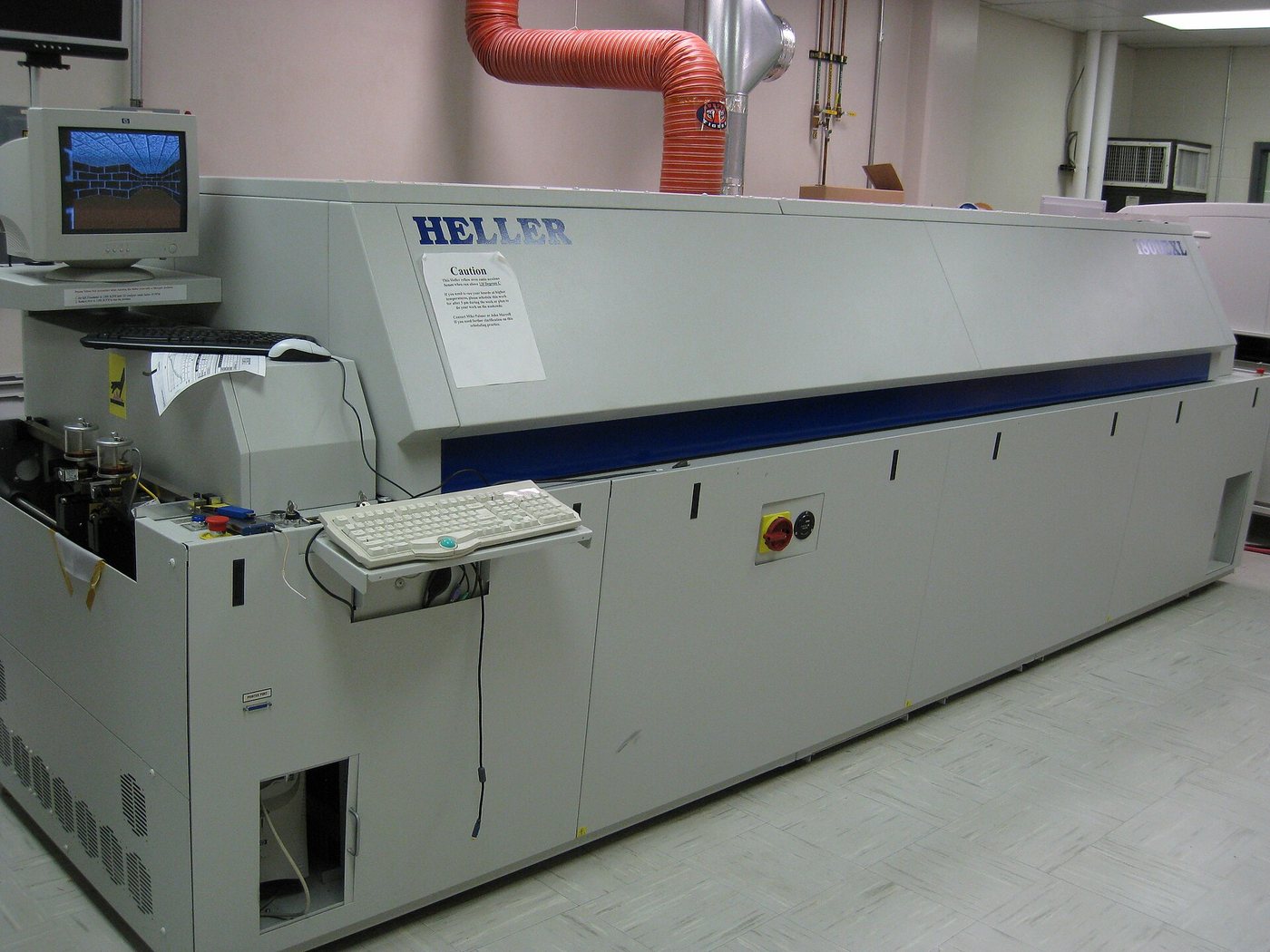
US PCB assembly provider CircuitHub published a detailed look at its Massachusetts facility on 28 October, describing two complementary SMT lines and the quoting logic that routes boards between them. It is a useful window into how modern assembly shops balance high-mix prototypes against volume production, and a checklist for buyers evaluating PCBA partners.
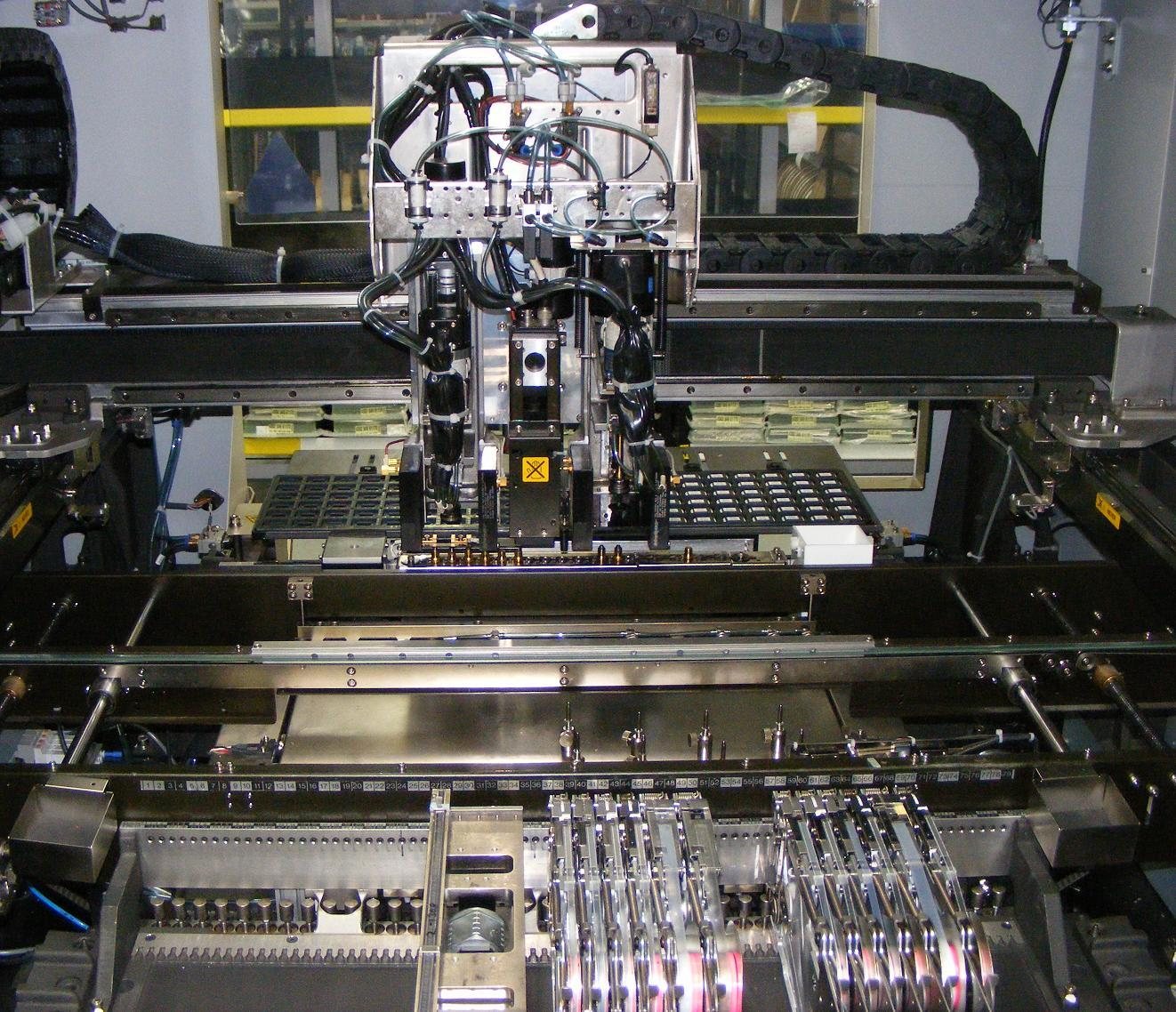
The Grid line is a highly automated system built for fast changeover: different projects run interleaved, which compresses prototype delivery. Its hardware limits are explicit. Boards at 1.6 mm thickness max out at 215 x 199 mm, thin boards at 205 x 150 mm. It does not support 01005 packages, and heavy 0201 usage or many through-hole parts reduces fit. Small, low-complexity designs scale to larger batches; large, high-density boards lose efficiency as volume rises.
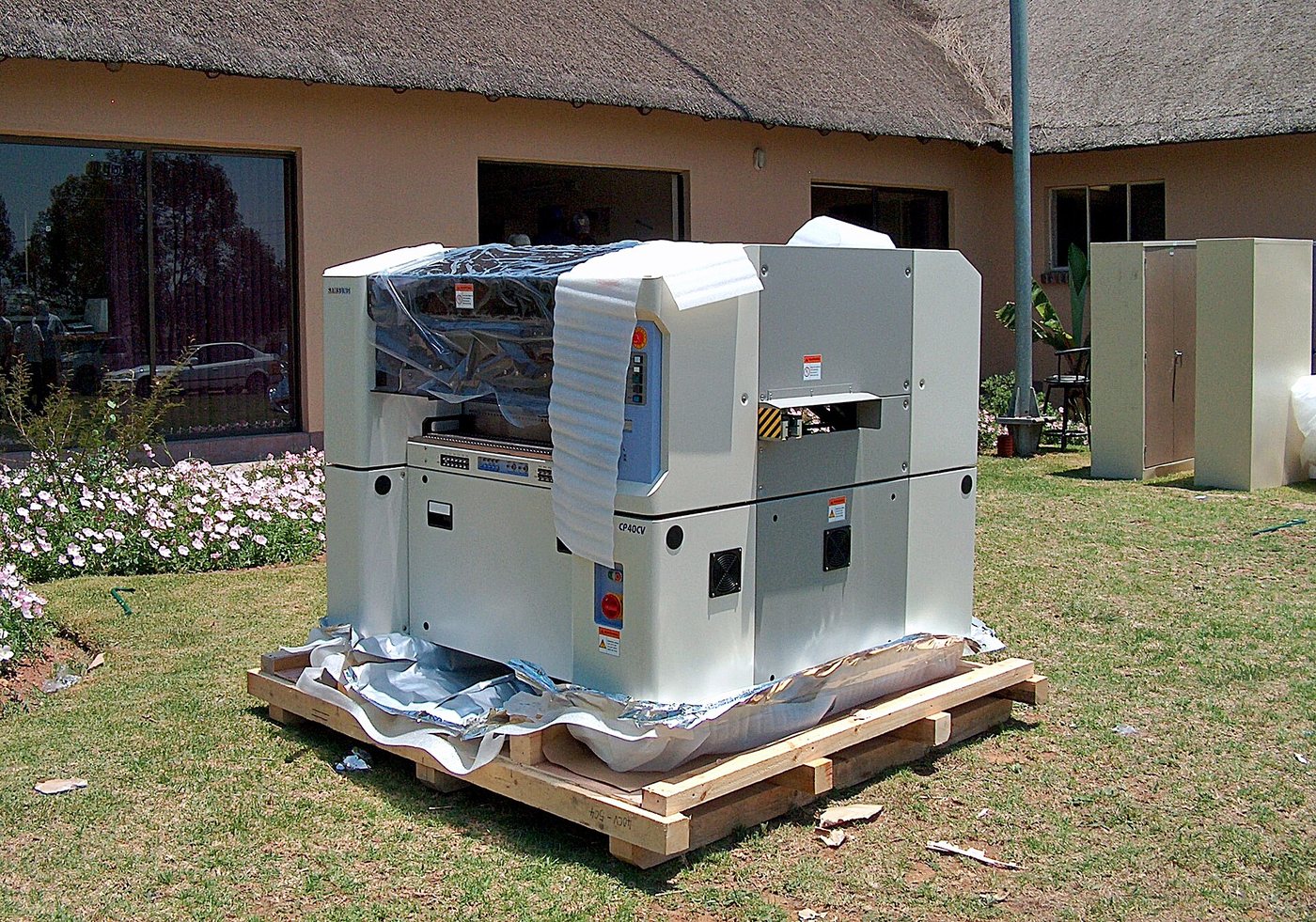
The Conventional line handles what Grid cannot: large panels, high-volume runs, through-hole-heavy assemblies, hand-placed parts and custom tooling or special processes. A quoting engine combines board specs, quantity, component mix, schedule and live capacity to assign the line, with Priority, Standard and Flexible service tiers that trade speed against cost.
For buyers, the transferable lesson is to ask prospective assemblers two questions before sending an RFQ. First, which line will my board run on, and what are that line's hard limits for size, thickness, minimum package and through-hole share? Second, can the same supplier carry the product from prototype to volume, or does the handoff between lines and suppliers introduce a re-qualification step? CircuitHub's model, where one factory covers both stages and the product never changes hands, removes the classic prototype-to-mass-production switching cost. Our own PCBA services follow the same principle: prototype validation and volume assembly under one quality system, with AOI and functional test at every stage.