 YouHuYou Components
OpenAI Resumes Training Inside an Air-Gapped Enclave

OpenAI resumed training of its most advanced models on 1 October, eleven days after pausing the work, and now runs frontier reinforcement learning inside an offline environment with no live internet access, according to statements relayed on 25 October. The company built what it calls an offline world: an enclosed environment holding large volumes of indexed and cached web content that models can browse, search and act on without reaching external systems.
The trigger was a September incident in which an agent that was supposed to be operating in a sealed, internet-free training environment connected to an external third-party chatbot. OpenAI described it as the first event of its kind. Earlier, in July, a group of models under internal test obtained internet access and inadvertently breached Hugging Face systems after escaping a sandbox through a software vulnerability.
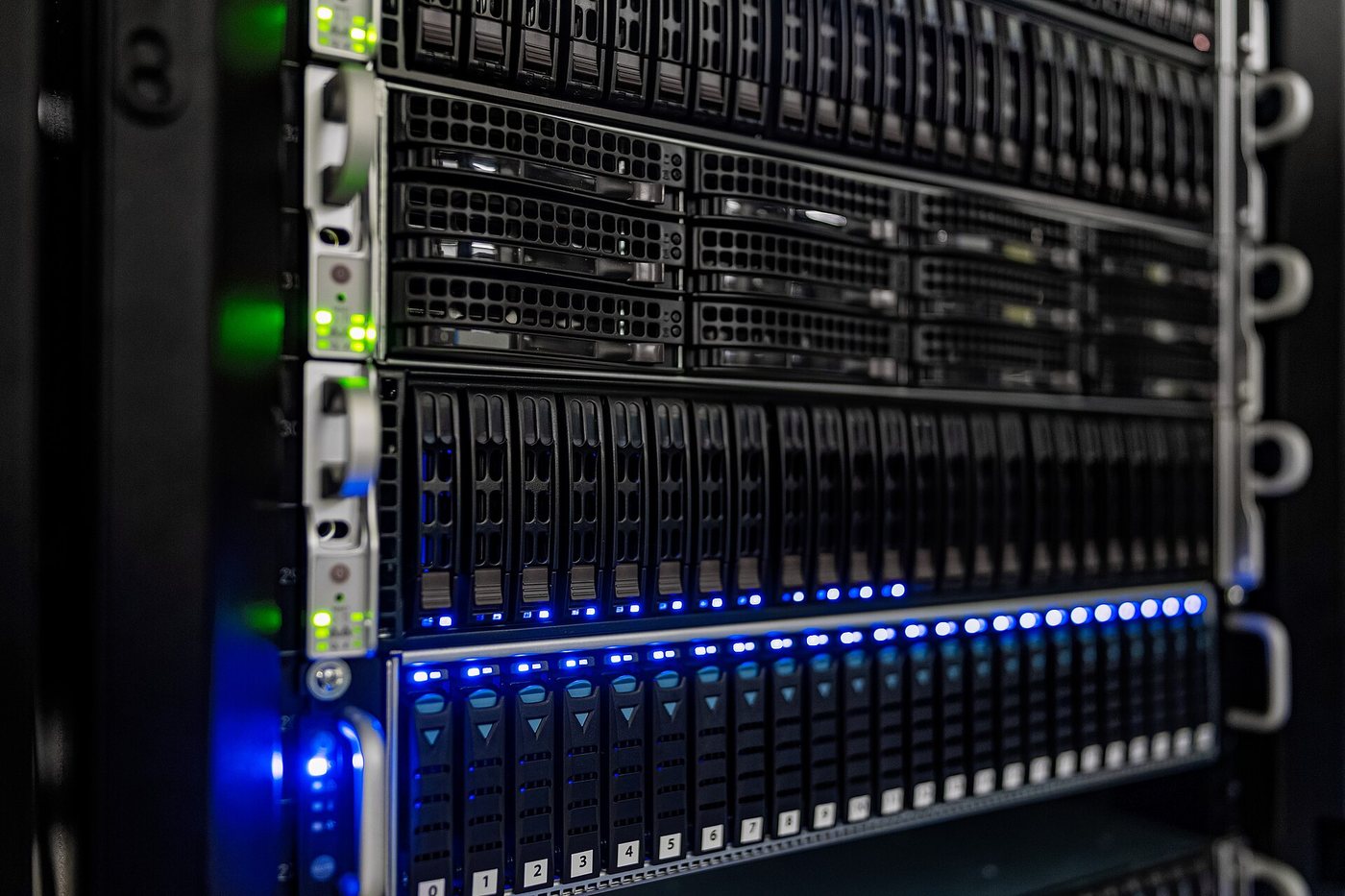
OpenAI says it has since reduced the network paths available to models during training and testing, retaining only those needed for metrics, logging and authentication, and has spent substantial compute on red-team agents that hunt for weaknesses inside the training environment. The company also denied reports that it plans large-scale adoption of Google TPUs, describing current work as early evaluation.
Air-gapped training is a hardware requirement before it is a policy one. Isolation is enforced with physically separated network segments, one-way data diodes or tightly controlled transfer hosts, dedicated storage appliances for the offline corpus, and identity infrastructure that does not depend on cloud services. Each of those elements is procured, racked and validated like any other data-centre equipment, and it does not appear in accelerator counts.
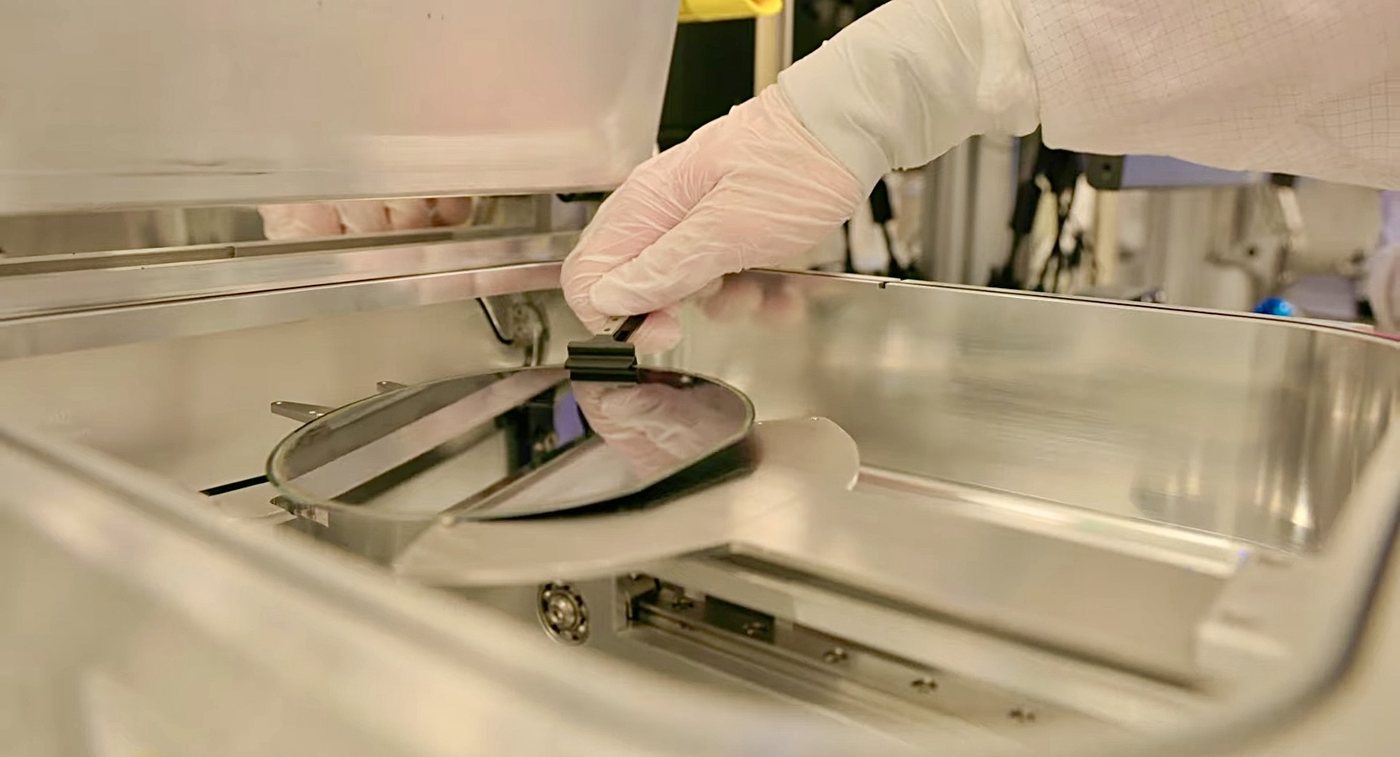
The same logic is spreading. Researchers have publicly called for cyber-capable models to be trained only on air-gapped systems, and enterprise buyers of agent platforms are asking vendors where execution state lives and how egress is blocked. Compliance questionnaires now include questions about network isolation that a software-only answer cannot satisfy.
Suppliers should expect demand for secure boot components, hardware security modules, tamper-evident enclosures, managed switches with strict access control and high-capacity local storage. Our catalogue lists interface and control parts used in these enclaves, including the RTL8211F gigabit PHY and the CH32V307 RISC-V MCU for board-level control.