 YouHuYou Components
Nvidia Rises 2.5% as 38GW Power Gap Tightens Supply
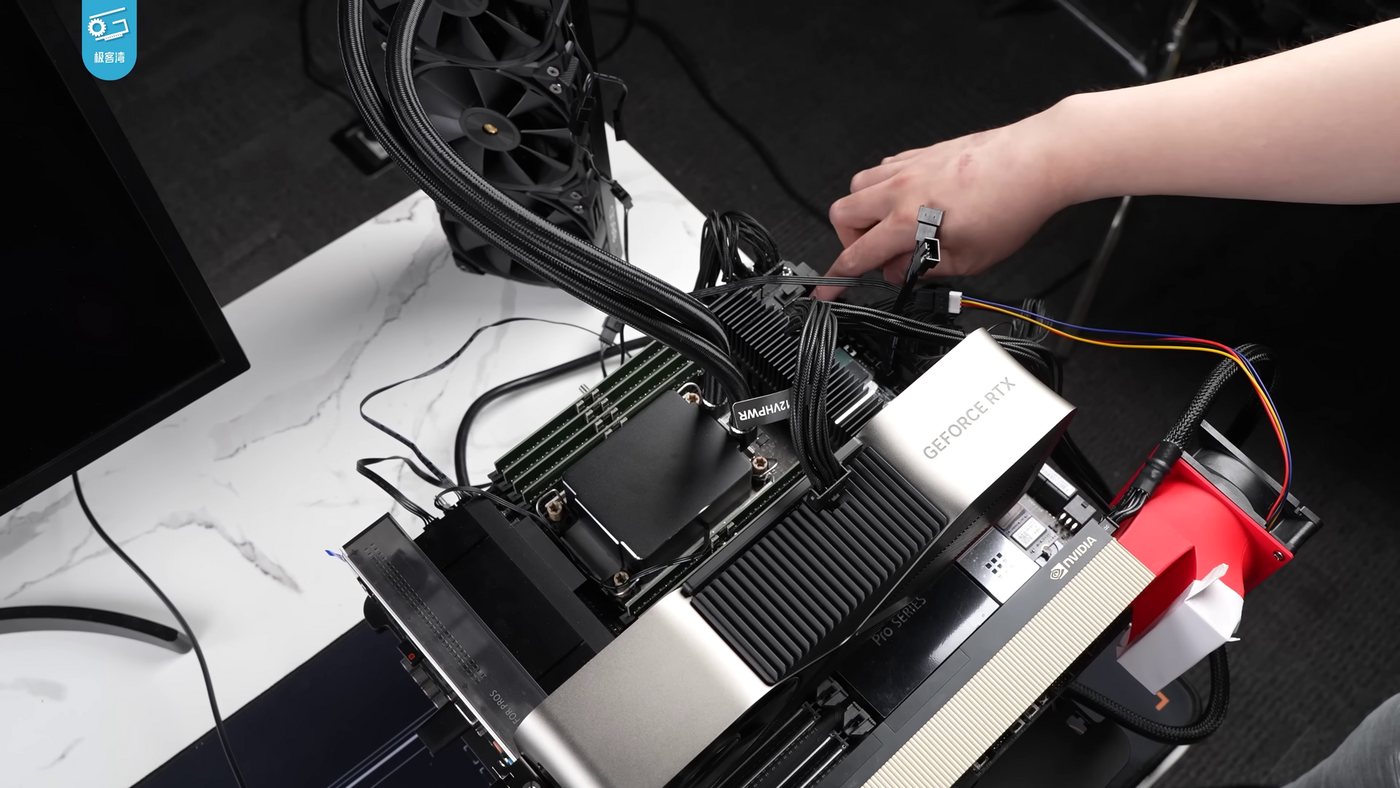
Nvidia closed at USD 216.17 on 26 October, up 2.47 percent, after trading between USD 212.61 and USD 217.75, as two separate pieces of news reset expectations for accelerator supply. Morgan Stanley raised its estimate of the United States data-centre power shortfall for 2026 to 2028 to 38 gigawatts from 33 gigawatts, against estimated total demand of 116 gigawatts, and kept Nvidia and Broadcom as its preferred semiconductor names. Separately, SpaceX disclosed a binding commitment of about USD 40 billion in financing leases covering Nvidia Vera Rubin processors and related equipment, with Apollo managing the financing entity, closing expected before year end and equipment deliveries starting in the first half of 2027.
The power number is the more important of the two for anyone buying hardware. Roughly a third of the shortfall is not in the consensus, according to the bank, because many investors assume operators will find a way around grid limits. If that assumption is wrong, the constraint moves from silicon to electrical equipment: transformers, switchgear, busway, liquid-cooling plant and the high-voltage cabling that ties a hall together. Those categories are already quoting in quarters, not weeks.

The SpaceX lease shows how demand is now financed rather than purchased. A financing entity buys the systems and leases them to the operator, which converts a capital purchase into a contracted payment stream. For component suppliers this is a mixed signal: it widens the pool of buyers who can commit to 2027 volume, but it also means the real credit risk sits with a leasing vehicle rather than with a hyperscaler balance sheet.
There is a supply-side warning embedded in the same research. Morgan Stanley argued that if construction pauses, the disruption would surface at the far end of the bullwhip, in the categories where shortage-driven pricing is currently supporting revenue: memory, optical modules and, in a bear case, power-management and analogue parts that may have been double-ordered. Buyers who accepted allocation premiums in the third quarter should now check whether their contracted quantities still match a build schedule that depends on grid interconnection.
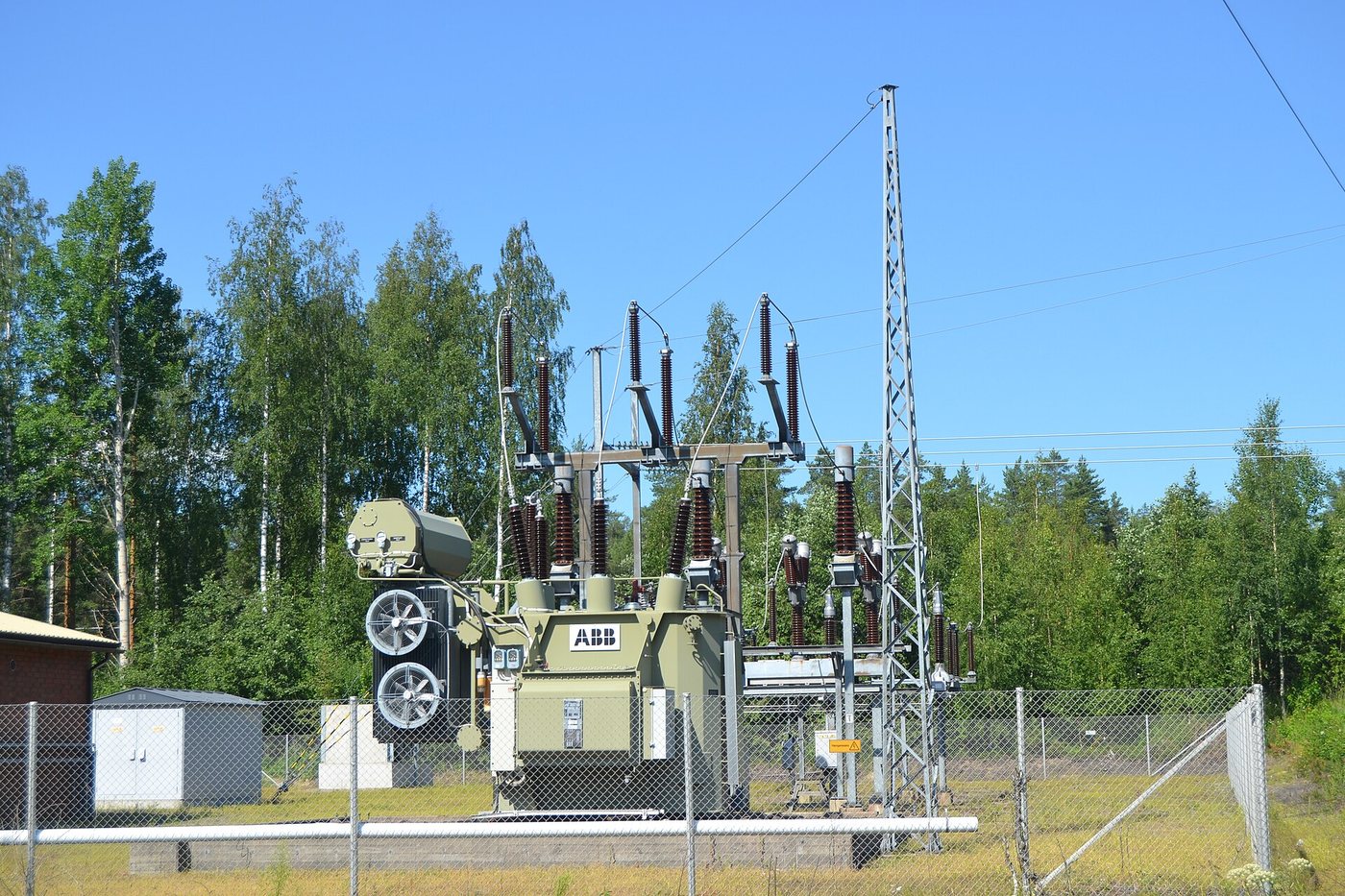
For procurement teams, the practical response is documentation. Ask for written allocation covering named programs, define price-review clauses instead of open-ended quotes, and separate silicon lead time from electrical balance-of-plant lead time so a delayed substation does not silently cancel an accelerator order. Boards built around these systems also depend on parts that are easier to secure: our catalogue lists the INA238 85V power monitor and the TPS546D24A 40A PMBus converter used in rack power shelves, both with published ladder pricing for qualification builds.