 YouHuYou Components
Nvidia Trades at 26x as Memory Costs Bite Buyers

Nvidia closed at USD 210.96 on 23 October and was trading near USD 211 at the weekend, leaving the stock at roughly 26 times trailing earnings, the lowest multiple in seven years, according to market data circulated on 24 October. The same data set shows last quarter revenue of USD 96.2 billion, up 106 percent year on year, data-centre revenue of USD 89 billion, up 117 percent, and guidance of about USD 108 billion for the current quarter at a gross margin near 74 percent.
The gap between the multiple and the growth rate is the story investors are arguing about, and it is not a demand problem. Money has rotated down the stack: Micron is up 639 percent over twelve months and SanDisk more than 3,400 percent, because memory and storage are now the scarce inputs. Nvidia's own filing showed supply and capacity commitments of USD 279 billion, up from USD 119 billion in the prior quarter, and management has warned that memory costs and supply constraints prevent the company from meeting full demand.
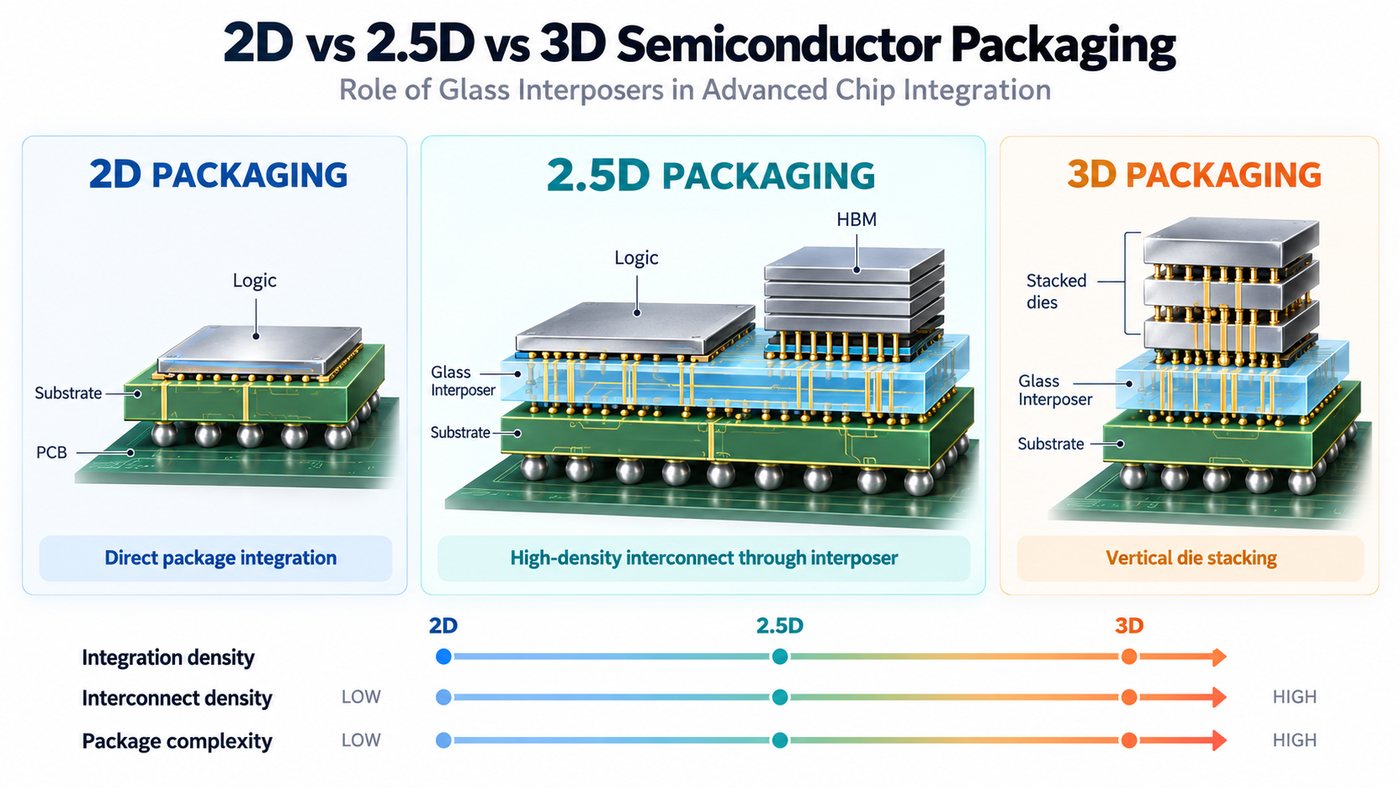
That is where component buyers feel the cycle. When a platform vendor pre-commits capacity two to four quarters ahead, the allocation of HBM, GDDR and advanced substrates is decided before most industrial and embedded customers place a purchase order. Boards that share those inputs with accelerators, such as high-speed interface cards, imaging modules and workstation-class embedded systems, are the first to see extended lead times and spot premiums.
The second-order effect is pricing discipline. Memory cost inflation is passed through in bill-of-material revisions rather than in headline list prices, so a quotation issued in October may not hold in January. Buyers running 2027 builds should ask for defined validity windows, agreed price-review clauses and a documented escalation path instead of accepting open-ended quotes.
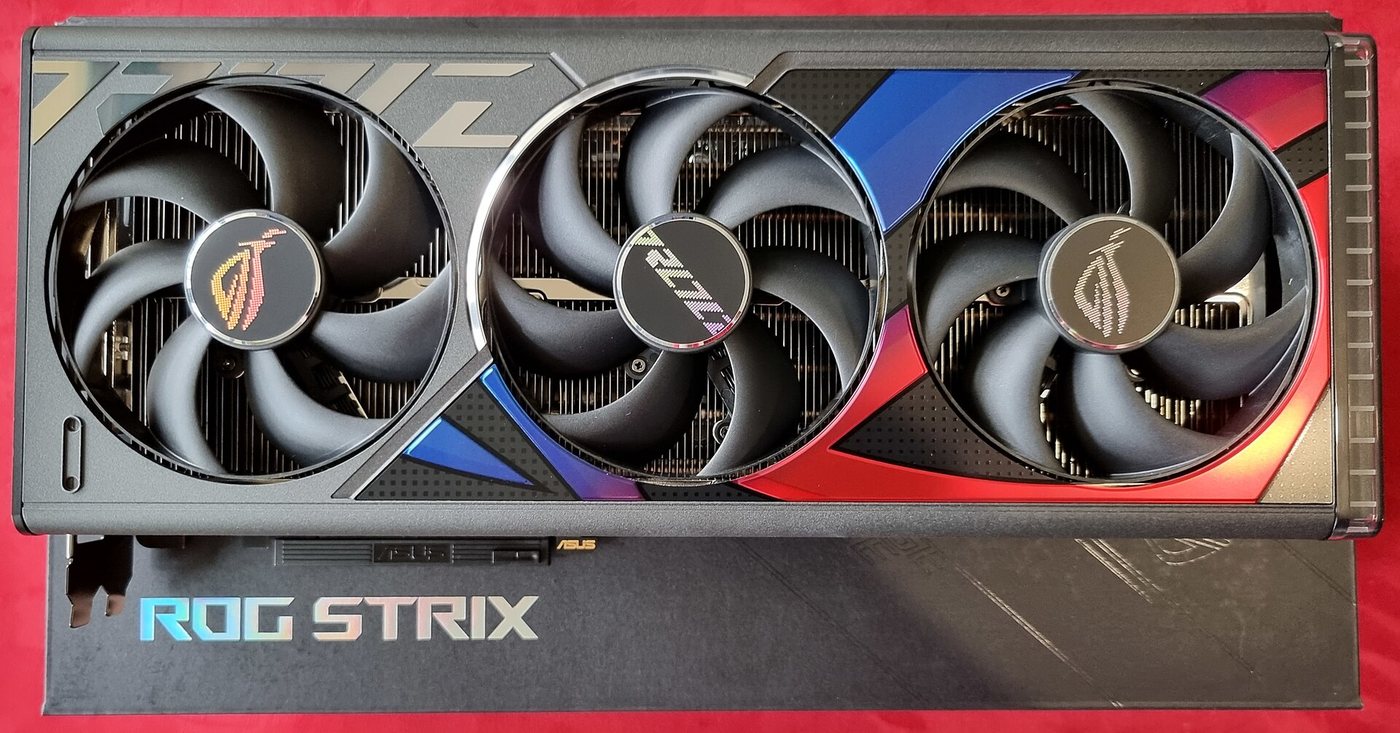
There is also a compliance dimension. Reports on 24 October described Chinese factories stripping RTX 5090 cards at industrial scale to recover chips for AI servers, a grey-market route around export controls that explains part of the shortage in consumer channels. Buyers offered consumer or workstation boards below market price should verify serial-number provenance and warranty transferability, because stripped or reworked hardware typically carries no manufacturer coverage.
Our component catalogue covers the power and monitoring silicon these boards depend on, including the INA238 85V power monitor and the TPS546D24A 40A PMBus converter, with published ladder pricing for qualification builds.