 YouHuYou Components
Florida Dengue Cases Reach 425 as Aerial Spraying Expands

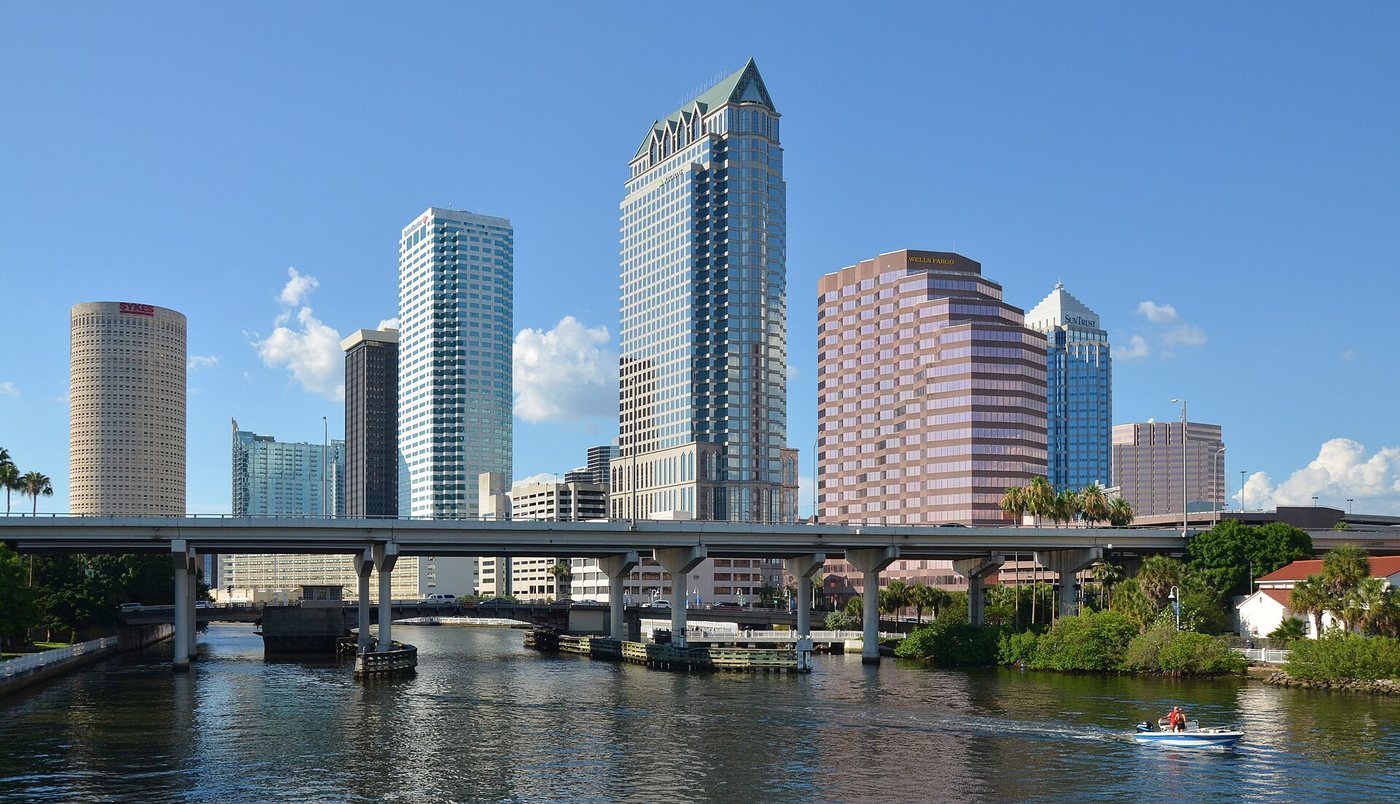
Florida has recorded 425 locally acquired dengue cases in 2026, up 57 in a single week and spread across 11 counties, per the state health department's weekly report for 11-17 October cited by WUSF. Hillsborough County accounts for 346 cases. In response, contractors and county crews are flying aerial applications of Dibrom insecticide over roughly 225,000 acres of the Tampa area between sunset and midnight from 27 to 30 October, and Hillsborough and Pinellas counties have extended dengue states of emergency through 29 October. The county had spent about $2.5 million on the response by early October.
The outbreak matters commercially because it extends the buying season. Distributors along the Gulf Coast are restocking personal and yard-level protection in late October, weeks after the usual summer sell-through. Expect demand for electronic insect and mosquito repellers, larvicide-free yard units and indoor knockdown devices to stay elevated into November in affected counties.
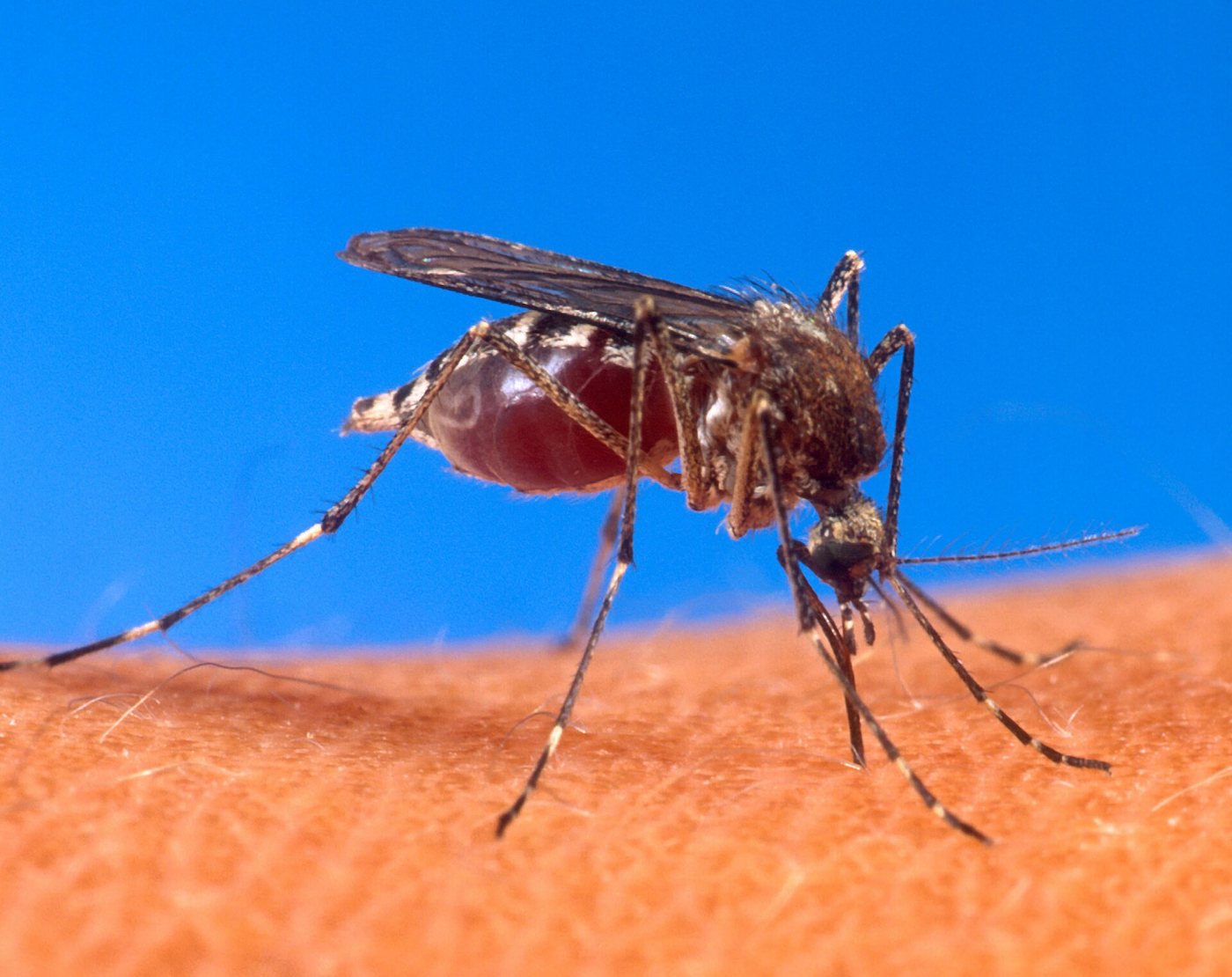
For private-label and retail buyers, three compliance points apply. In the US, any product claiming to repel or kill insects is an EPA-regulated pesticide or device; repellent formulations must list EPA-registered active ingredients such as DEET, picaridin, IR3535 or oil of lemon eucalyptus, while electronic devices carry EPA establishment numbering and labeling rules. EU-bound devices need CE under EMC and RoHS, and any biocidal claims fall under the BPR, which is stricter about wording.
Buyers should also note the surveillance-driven nature of this outbreak: counties trigger spraying based on trap data, so orders cluster around public announcements rather than the calendar. Keeping 30 to 45 days of stock within the Gulf Coast distribution window is the practical hedge. If cooler, drier weather arrives, case growth may slow, but officials caution the trend must persist before counts reflect it.