 YouHuYou Components
Autumn Dengue Wave Keeps Asian Mosquito Control Busy
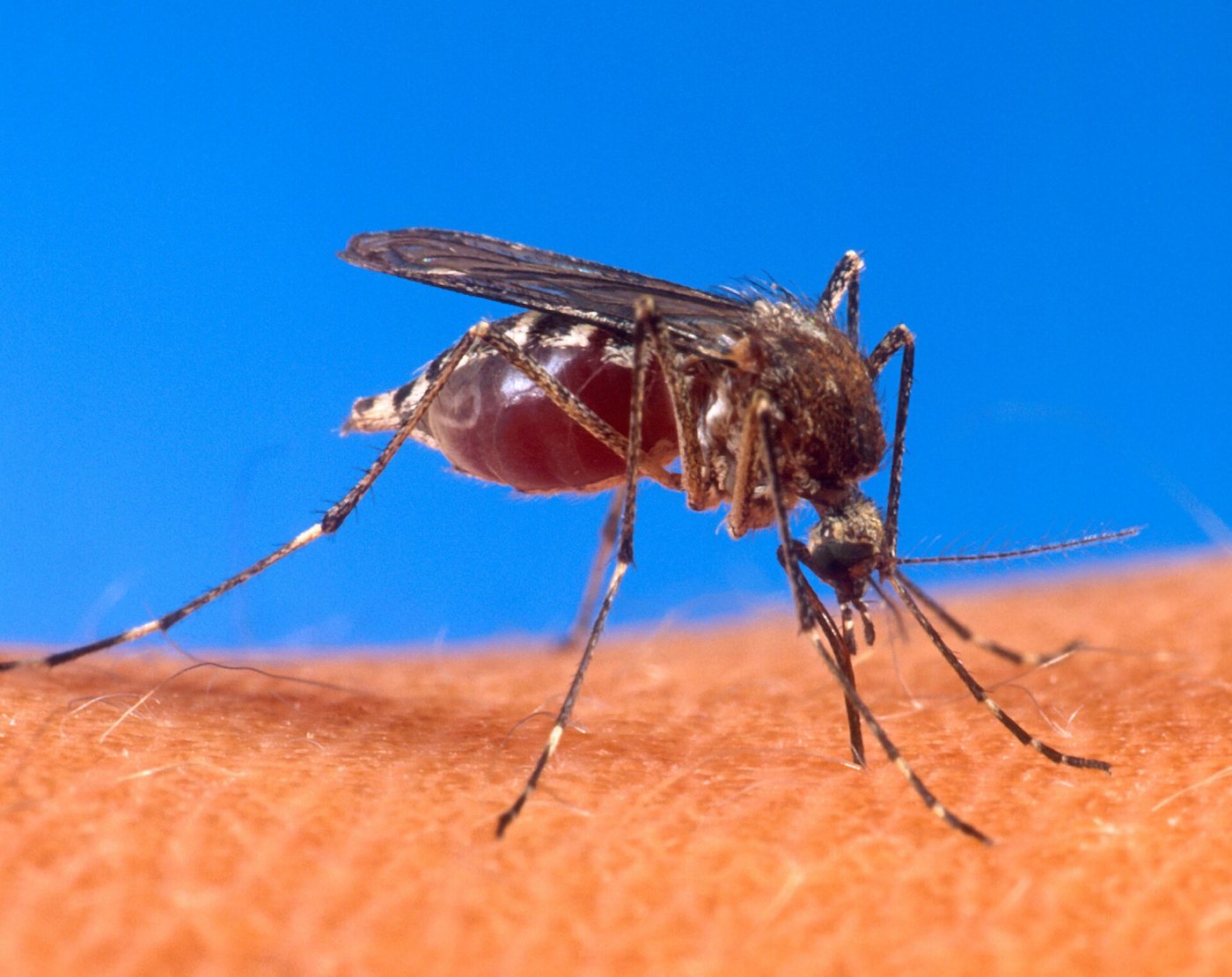
Autumn dengue activity is still driving municipal mosquito work across Asia, and the response pattern is instructive for anyone sourcing vector-control hardware. Taiwan's Centers for Disease Control counted 216 cumulative dengue cases as of October 22, of which 14 were locally acquired and 202 were imported, with Vietnam, Indonesia, the Philippines, Malaysia and the Maldives the most common sources of infection. Health authorities in Tainan noted that large day-night temperature swings with warm daytime conditions still suit Aedes activity, and that 62.3% of positive breeding containers found so far this year were buckets, jars, urns and basins, with cups, bottles, bowls, cans and boxes a further 8.6%.
Macau's Health Bureau announced on October 29 that it would carry out mosquito control within a 100-metre radius of risk areas near the Galaxy Macau hotel and two other sites, after an imported dengue case was notified by mainland authorities. The 100-metre figure is a reminder of how vector control is actually scoped: Aedes mosquitoes stay close to the breeding site, so interventions are micro-local rather than area-wide.
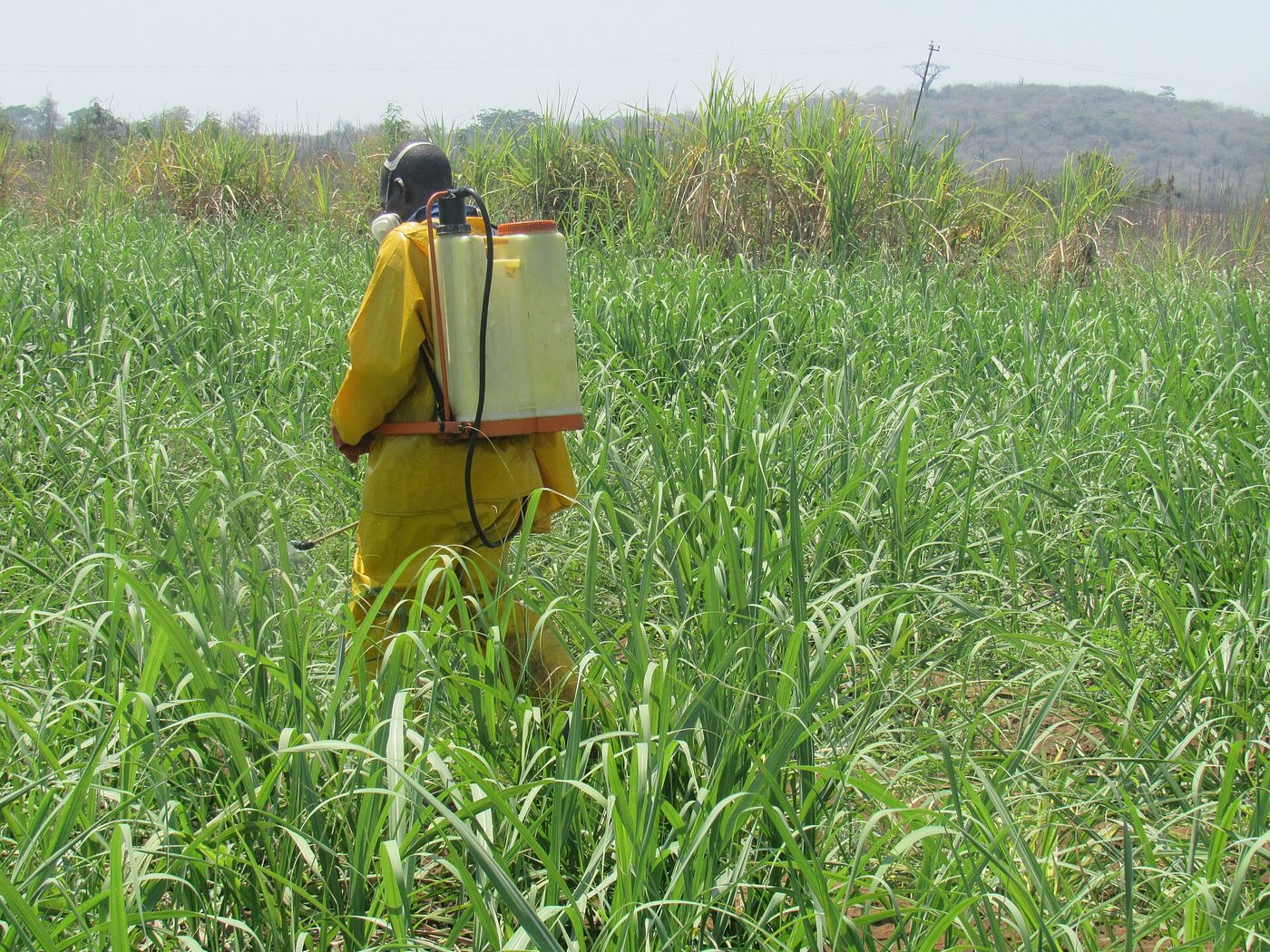
In Vietnam, Ea Kar commune reported 78 dengue cases and three outbreaks since the start of 2026, and monitoring by the Central Highlands Institute of Hygiene and Epidemiology on October 19 found larval density in outbreak areas above the risk threshold. The commune ran a two-day environmental sanitation and larvae elimination campaign across all villages on October 24 and 25, extended to agencies, schools and construction sites on October 26, and will repeat treatment weekly in outbreak zones. Thanh Hoa province is handling a separate cluster, with seven cases recorded between September 19 and October 24 in two residential areas.
For procurement, the lesson is that vector control is now a year-round line rather than a summer spike, because imported cases keep arriving and warm autumns extend the season. Demand concentrates on outdoor mosquito traps, UV light traps, solar-powered units and larvicide accessories, and buyers should check the compliance set before shipping: CE and RoHS for the EU, UKCA for Great Britain, an EPA establishment number where a device makes a pesticidal claim in the US, and an IP rating adequate for year-round outdoor mounting.
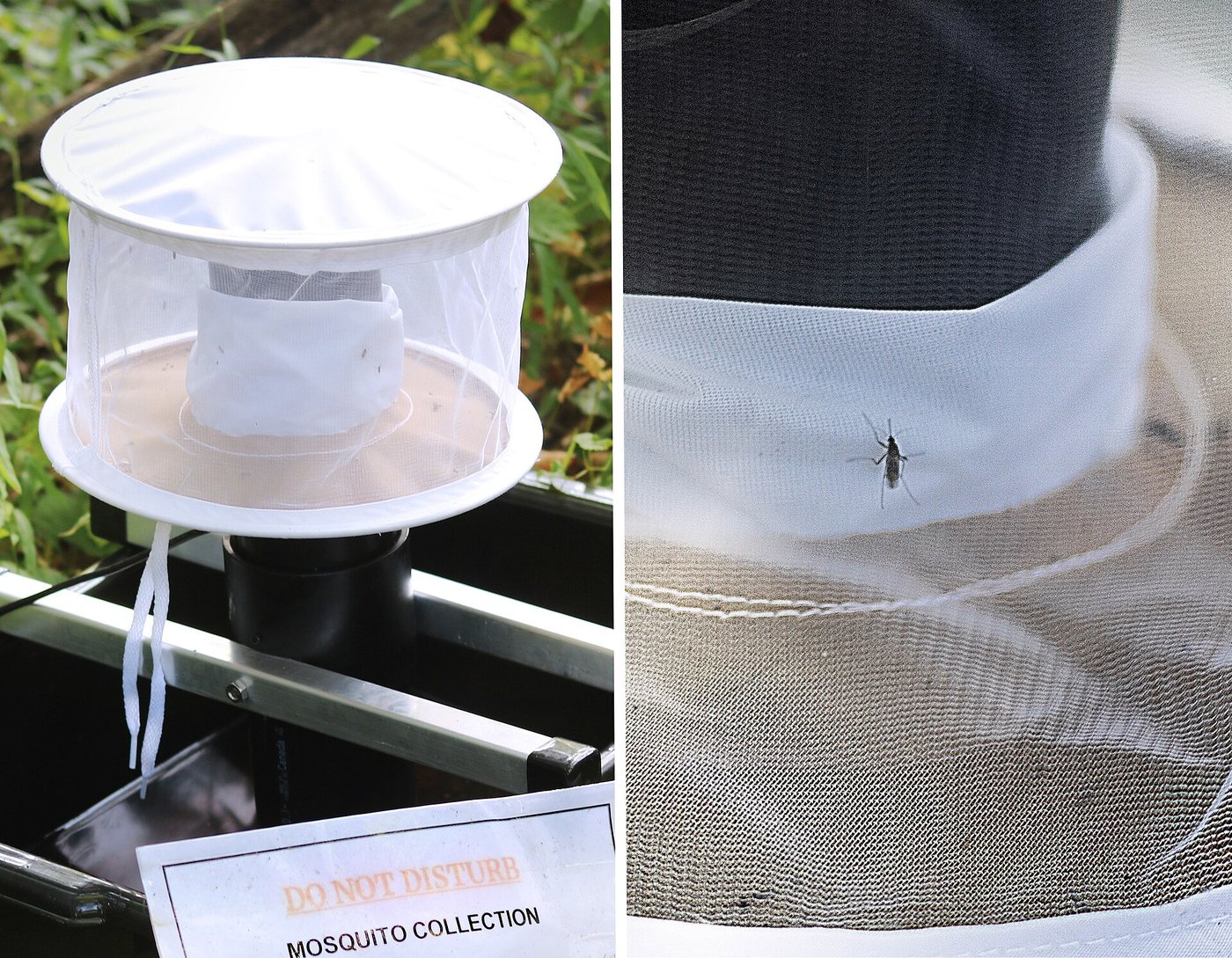
A practical note for distributors. Northern Hemisphere sell-through ends with the first frost, but Southern Hemisphere seasonality runs the other way, so a mosquito and insect repeller range planned around both halves of the year keeps factories and warehouses evenly loaded. Screens, larvicide briquettes and the small pump sprayers that accompany them are cheap add-ons that lift order value without adding a certification burden.