 YouHuYou Components
MLCC and Tantalum Lead Times Stretch Into 2027 Builds
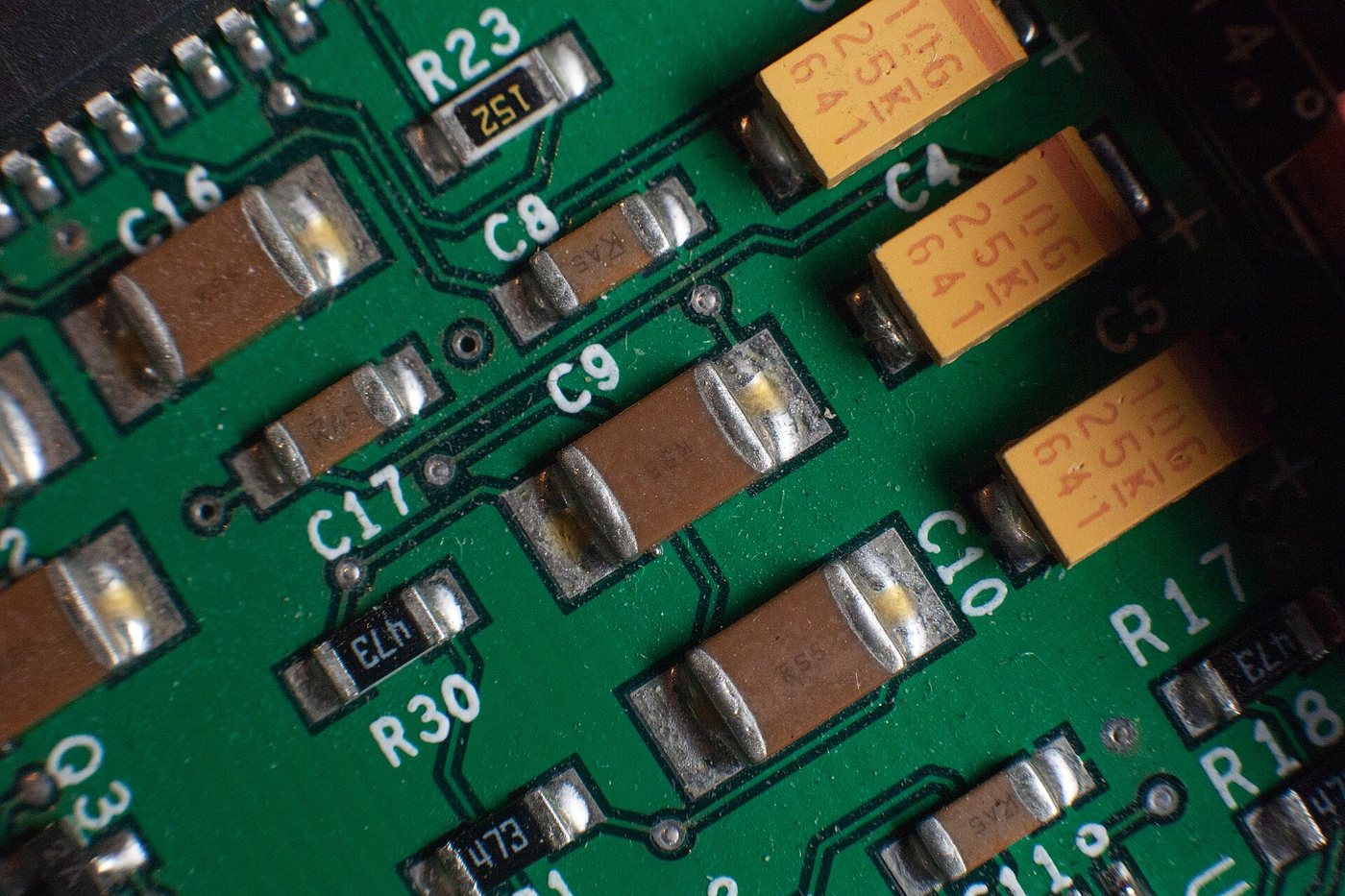
Passive components have quietly become the longest-lead items on many bills of materials. A weekly market report circulating among Chinese distributors in late October lists Samsung MLCC lead times extended to 52 weeks across the line, with a price-increase threshold described as close. TDK reports 104 and higher capacitance MLCC supply still tight, with some automotive-grade high-capacitance parts quoted at 24 to 26 weeks. Taiyo Yuden shows RF, AI and automotive high-capacitance lines lengthening, with popular parts at 24 weeks.
Tantalum is worse. Panasonic's popular part numbers are reported at close to double their price at the start of the year, with tantalum ordering lead times around six months and polymer tantalum stretching to as long as 84 weeks. Kemet raised prices across its line on October 20, with lead times continuing to lengthen. For a design that uses polymer tantalum on a power rail, an 84-week quote is longer than most product roadmaps.
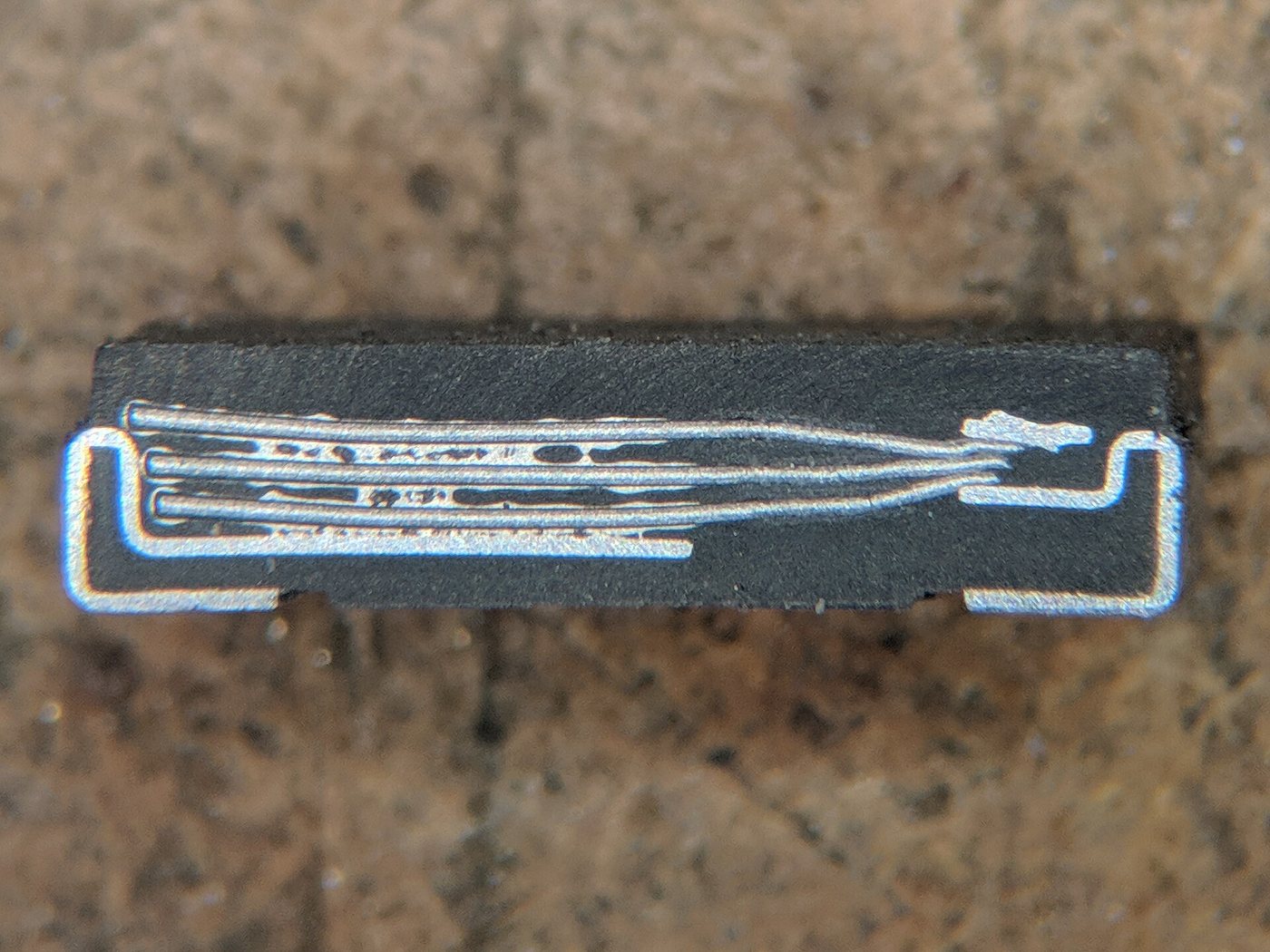
The mechanism is not mysterious. AI server and automotive electrification pull disproportionately on high-capacitance and high-voltage parts, and the same qualified capacity cannot be switched between grades quickly. Suppliers allocate to strategic accounts first, and everyone downstream competes for what is left.
What makes passives dangerous is that they are usually the last line item anyone reviews. A single 1210 X7R capacitor at 52 weeks can hold a 12-week assembly to hostage, and the substitution path is not free: same footprint and same nominal capacitance is not the same part when dielectric, DC bias derating, ESR and ripple current rating differ. Teams that swap blindly trade a lead-time problem for a field-reliability problem.

Practical steps. Freeze the passive section of the BOM first, before the active parts, and review it by manufacturer and package rather than by value. Qualify a second source per critical line now, since reliability requalification typically takes six to ten weeks. Where the design allows, specify two footprints in parallel on the PCB so the second source is a placement change rather than a respin. And treat allocation as a forecasting exercise: distributors prioritise customers who commit to volumes with a schedule.
Sourcing teams should also check the general component inventory before assuming a line is unavailable, because many standard values are stocked even when the exact manufacturer part is quoted long. Where a redesign is unavoidable, planning the PCB change alongside a PCBA build avoids paying for two separate engineering cycles.