 YouHuYou Components
DDR5 Spot Prices Jump 25% as Q4 Memory Allocation Bites
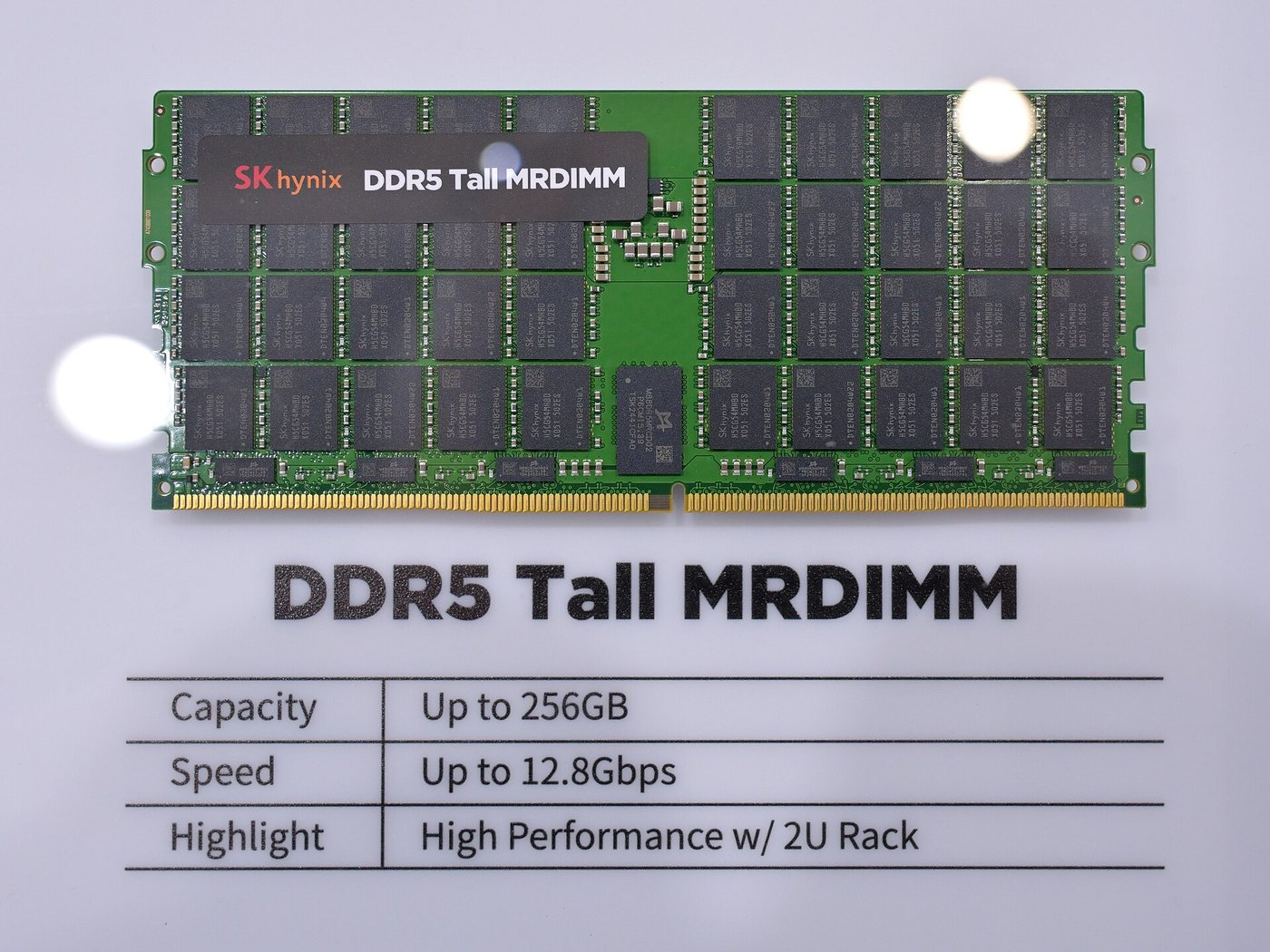
Memory supply conditions deteriorated sharply through late October. Samsung suspended October DDR5 contract quotations, and channel spot prices for modules were reported to have risen roughly 25% in a single week. TrendForce's latest round of expectations puts Q4 DRAM contract prices up about 20% quarter on quarter, PC DRAM up 13-18%, NAND up 15-20%, and enterprise SSD up 23-28%, the steepest of any category. A late-October channel survey found server DDR5 32GB RDIMM pricing up 23.29% to around $900.
The forward picture is tighter than the spot noise suggests. Goldman Sachs revised its 2027 DRAM supply-demand gap from minus 2.5% to minus 5.9% in an October 1 note, with NAND at minus 4.6%, and expects the tight balance to persist into 2028. Roughly 70% of new capacity additions are being steered toward HBM, leaving conventional DRAM and NAND structurally short; TrendForce has forecast HBM average selling prices rising about 121% year on year in 2027, with HBM4e above $5 per gigabit.
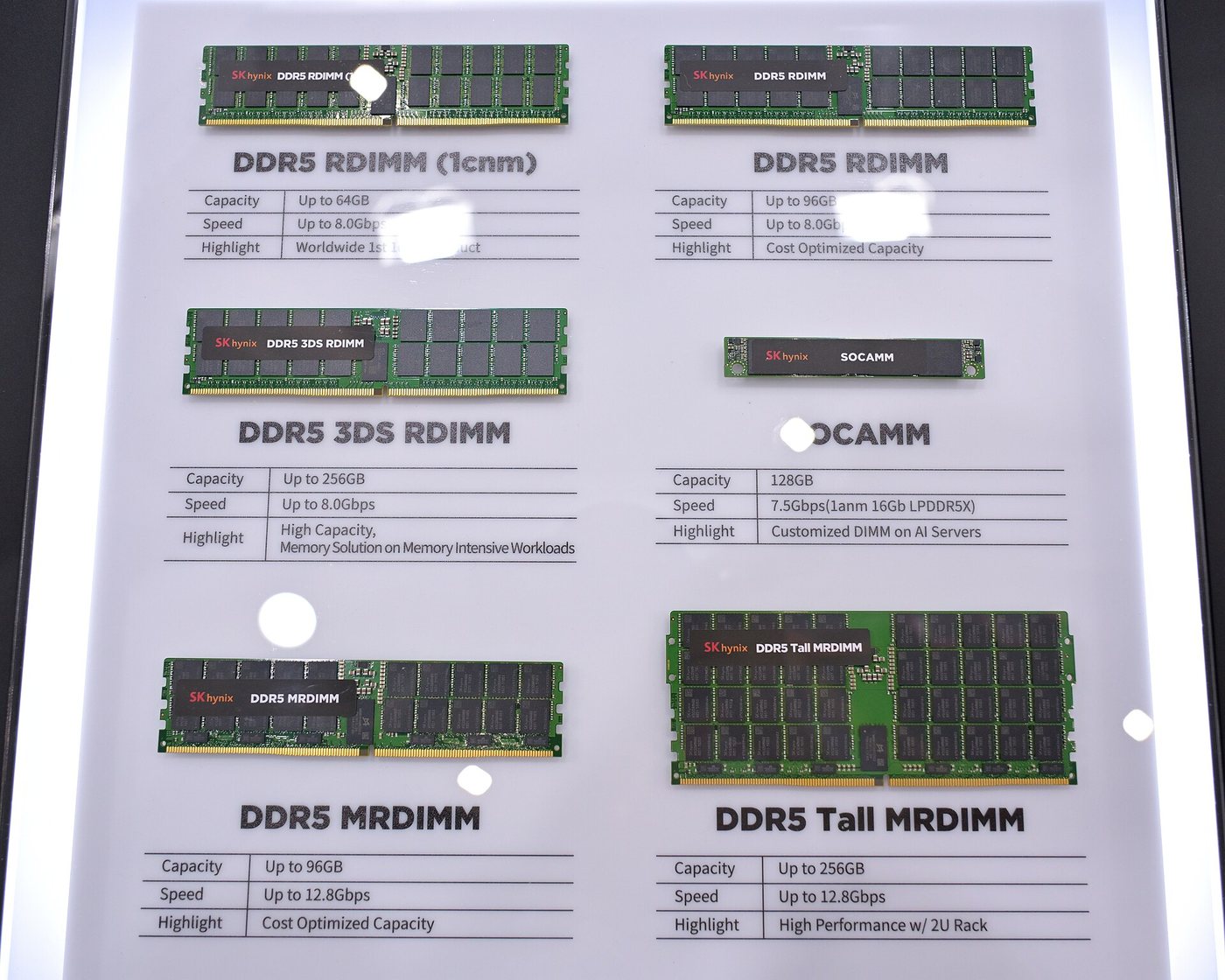
The demand side is splitting. AI server and enterprise buyers are pre-booking 2027 RDIMM volumes, while consumer channels are cooling: module prices in Shenzhen's Huaqiangbei market held in the 1,400 to 1,600 yuan range for 16GB DDR5 but store sales were reported down 20-30% in October, with some channel prices inverted. Contract price increases are therefore decelerating even as absolute levels stay high, which is what a maturing allocation market looks like rather than a cycle top.
Distributors' own guidance matches. SEACOMP's October 2026 supply chain outlook reports most memory categories on allocation, including DRAM modules, SSDs, eMMC, NAND and NOR flash, with quoted lead times commonly 26 to 52 weeks. Small-signal MOSFETs and switching diodes sit at 16 to 52 weeks with prices still rising. Its practical advice is to confirm 2027 volumes now and cover them with a blanket purchase order rather than spot buying.
For buyers, the playbook for this cycle is unglamorous. Lock 2027 volumes with blanket POs while pricing is still quotable, qualify at least one alternate per memory line before you need it, and treat lead times as a design constraint rather than a purchasing problem. Chinese New Year falls on February 6, 2027, eleven days earlier than this year, and factories wind down one to two weeks ahead of it, so build weeks between now and mid-February are fewer than usual. Teams reworking BOMs around memory availability should start from the in-stock component catalogue and validate pin- and timing-compatible alternates on real hardware rather than datasheets alone.