 YouHuYou Components
MCU and Analog Lead Times Reach 52 Weeks as Prices Climb

Microcontroller and analog supply tightened again in late October, and this round is hitting legacy parts rather than the newest ones. A distributor market report dated this week lists STMicroelectronics legacy STM32 F1, F2, F4, F7 and H7 families, plus automotive MEMS such as LIS3DH and LSM6DSO, at 40 to 52 weeks with high spot premiums and rising order-delay risk. NXP reports recovering automotive and industrial demand, falling inventory and firmer spot pricing, with S32 and S32K automotive MCU shortages unresolved.
Microchip's book-to-bill ratio has stayed above 1 for several consecutive months, orders are backing up, and some part numbers are reported up more than three times in unit price. Altera capacity is booked beyond next year with delivery dates uncertain, agents have stopped taking new orders, and spot prices are climbing sharply, pushing small and mid-size customers toward domestic alternatives. Infineon's CY series has seen demand rise and quotes increase after it sold its NOR flash and FRAM businesses to Winbond. 3Peak is capacity-constrained and tightening channel controls, making large-volume orders hard to place.
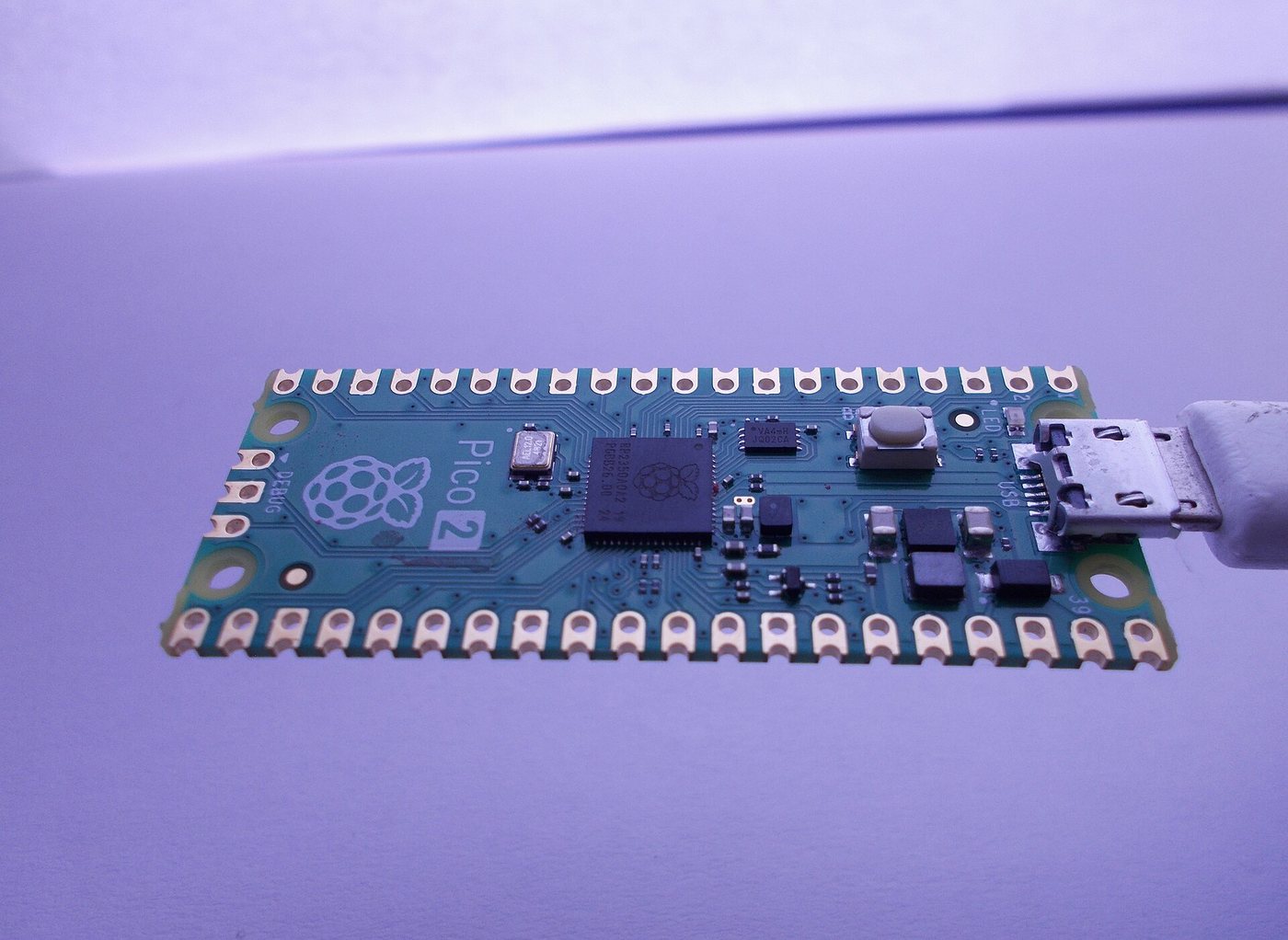
On the pricing side, Chinese MCU vendor Nations Technology confirmed a 10-20% price increase effective October 1 for some high-performance MCU products used in industrial, AI power and digital power applications, citing lengthening lead times at international competitors and customers switching to domestic alternatives. That combination, longer import lead times plus domestic price increases, is the signature of a market where substitution demand is real and priced in.
For buyers, the strategic question is no longer whether to dual-source but how early. Pin-compatible alternatives are rarely drop-in: clock trees, peripheral muxing, ADC reference behaviour, bootloader tooling and flash endurance all differ, and firmware port is engineering time, not paperwork. Budget eight to twelve weeks for evaluation and qualification on anything safety- or power-related, and start before the shortage forces the decision.
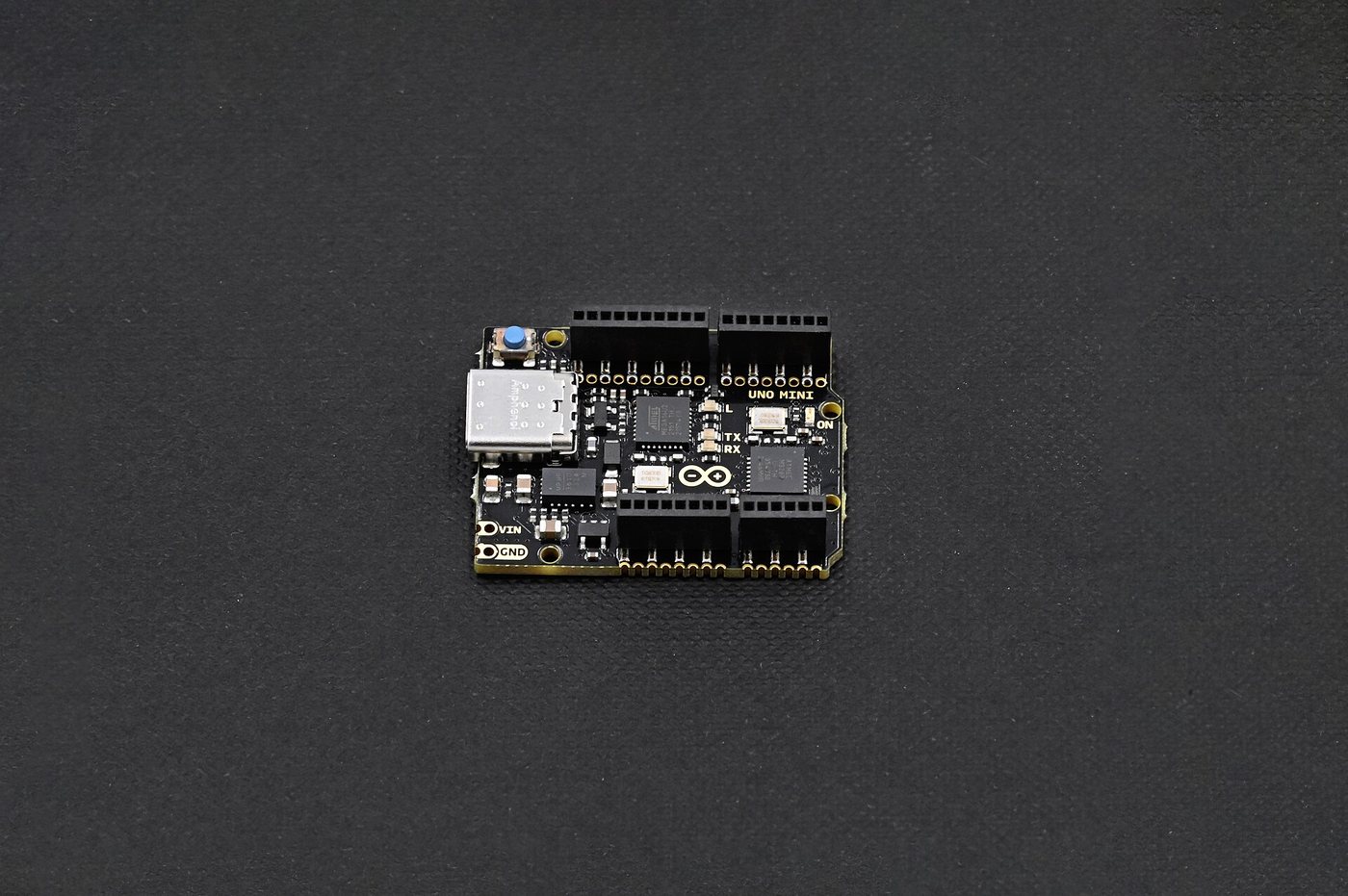
Two tactics worth adopting now. First, freeze and review the MCU and analog section of the BOM quarterly with your distributor, and accept second-source samples before you need them. Second, where a family is structurally long, design the board to accept two footprints or two vendors from the start, which converts a future shortage into a placement change. Sourcing teams can start from the stocked component list to find parts available now, and should fold any resulting board change into a single PCBA turn rather than splitting engineering and production across two suppliers.