 YouHuYou Components
Bitcoin Holds $80K as Miner Fees Hit Record Lows
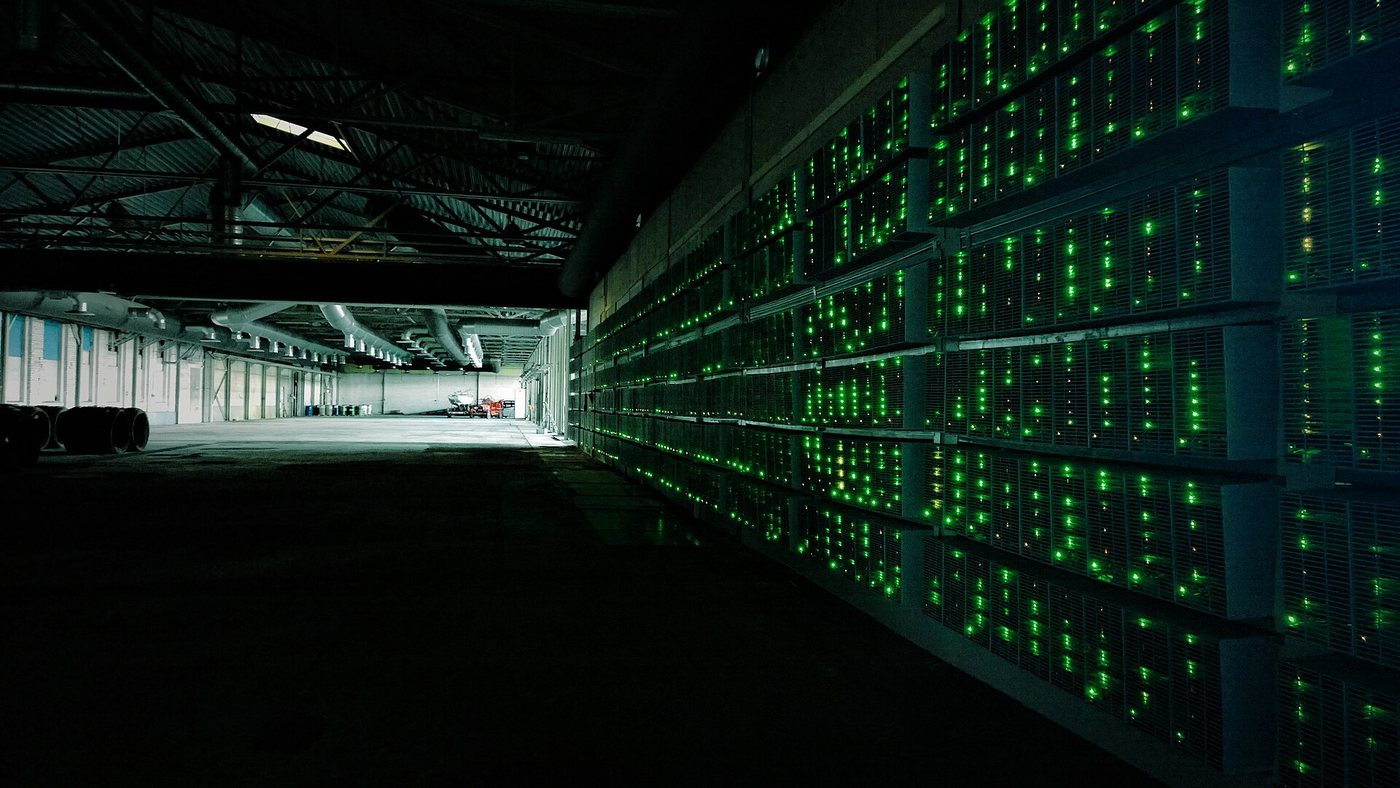
Bitcoin traded near $80,300 on October 27, up about 0.3% on the day, holding a range that has frustrated directional traders for weeks. Under the flat price, on-chain data is flashing a structural warning for the mining industry that hardware buyers should not ignore.
Glassnode's October 26 report showed entity-adjusted transfer volume climbed 26% over seven days to $5.5 billion, yet total transaction fees paid to miners fell 8.8% to just $185,200. A daily snapshot from Pool BTC recorded 158 blocks paying roughly 494 BTC in subsidies, about $39.5 million, against 1.88 BTC in fees, roughly $150,000. Fees now contribute about 0.38% of miner revenue, meaning block rewards fund more than 99% of the business.
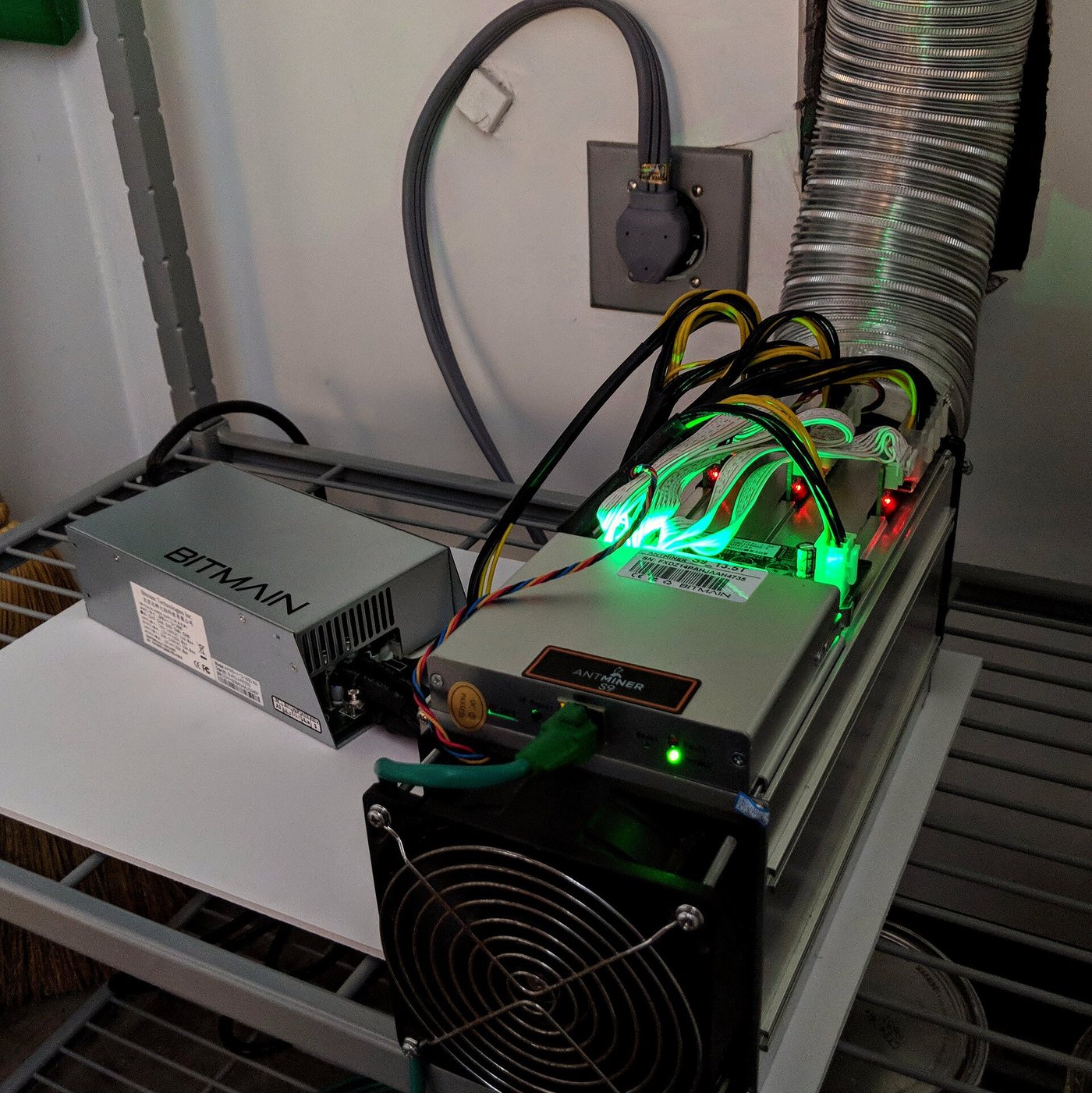
The economics compress in one direction. Daily active addresses slipped 2.2% to 615,200, so the value surge reflects large institutional transfers settling cheaply rather than retail congestion. Mining costs, meanwhile, are fixed and fiat-denominated: ASIC fleets, cooling and power contracts. With the 2028 halving set to cut the subsidy to 1.5625 BTC per block, the gap between revenue and electricity cost widens on a schedule.
For procurement teams in the mining hardware supply chain, the implication is a slower, more selective replacement cycle. Operators will prioritize efficiency jumps that justify capex, meaning orders concentrate on the newest 3nm-class ASICs and on facilities with sub-cent power, while older-generation refreshes stall. Expect continued pressure on second-tier ASIC makers and consolidation among hosting providers.
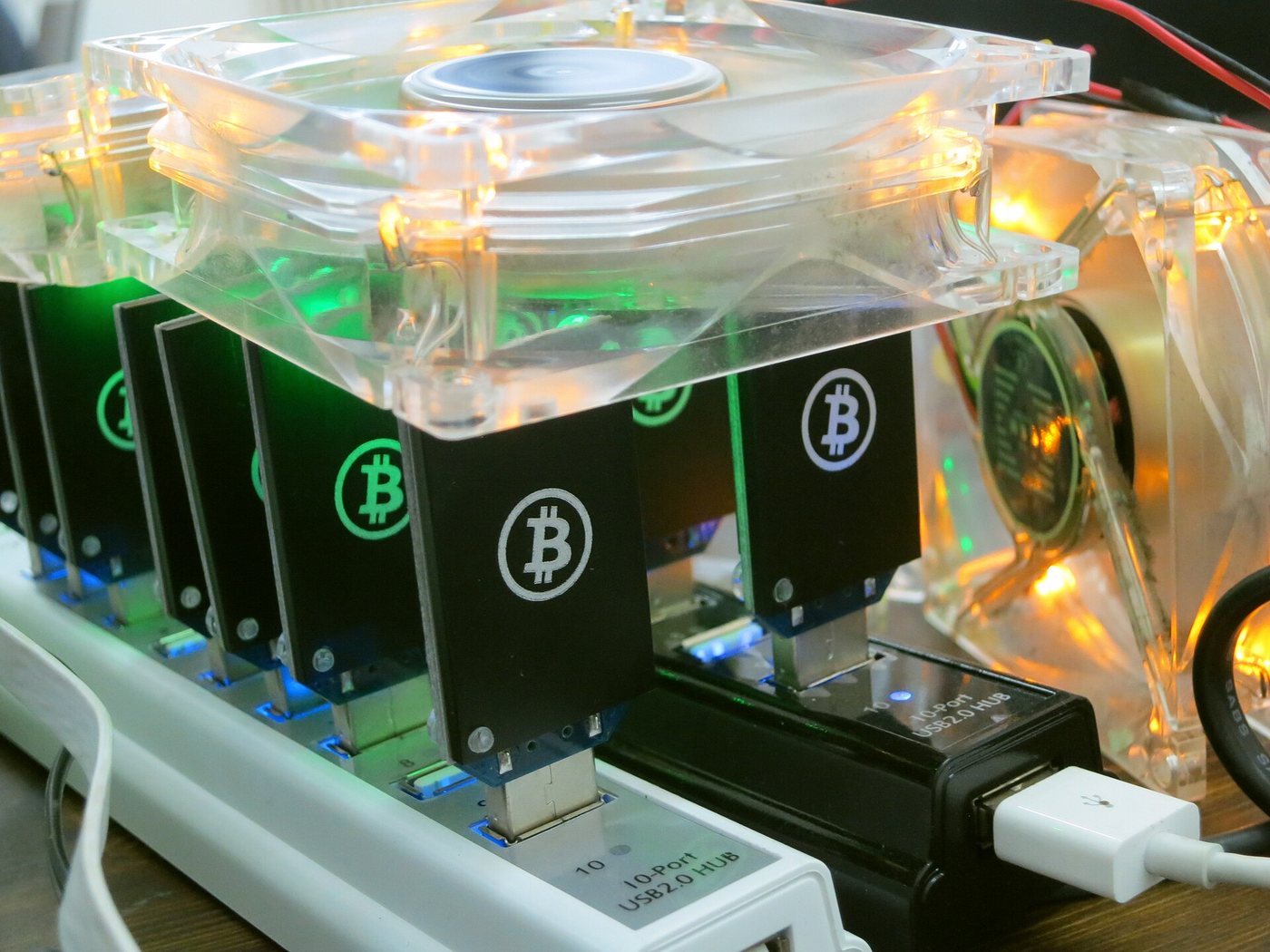
The fee market was designed to take over security funding as subsidies shrink, but it has not shown up. Until it does, mining hardware demand leans almost entirely on bitcoin's price level, and at $80,000 the marginal economics favor only the most efficient power and control hardware fleets.