 YouHuYou Components
Blue-Light Bird Deterrents Enter Airport Night Duty
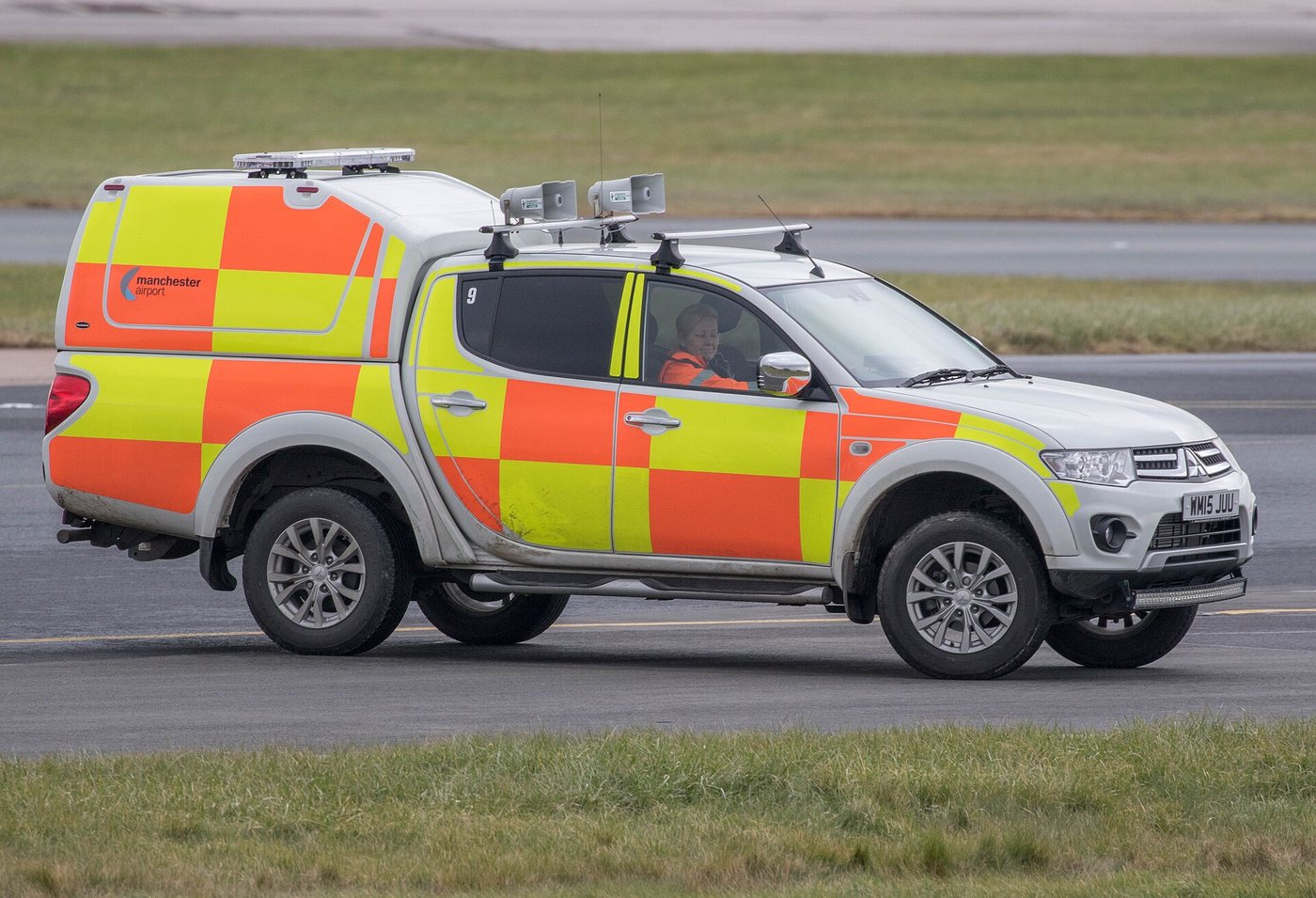
Hangzhou Xiaoshan International Airport brought two blue-light bird deterrents into service on the night of October 21 after a risk assessment, targeting migratory and wintering birds that settle on airfield grass after dark. The units pair a beam emitter with a dual-mode pan-tilt head, a touchscreen control terminal, an independent power system and a remote handset, and they sweep a full 360 degrees. Operators can switch between automatic scanning and manual tracking, and take direct control within 1,000 metres when a flock threatens a runway.
The reported night effective radius exceeds 500 metres, and the system can run constant or strobe output so birds are less likely to habituate. Compared with the gas cannons and acoustic bird scares the airport already operates, the blue-light units are silent, carry no eye-damage risk at the specified beam parameters, and suit night work near residential areas. The airport wrote a dedicated operating rule covering beam-angle control, with beams prohibited from pointing at the sky or the runway, and trained bird-control staff on beam-direction checks.
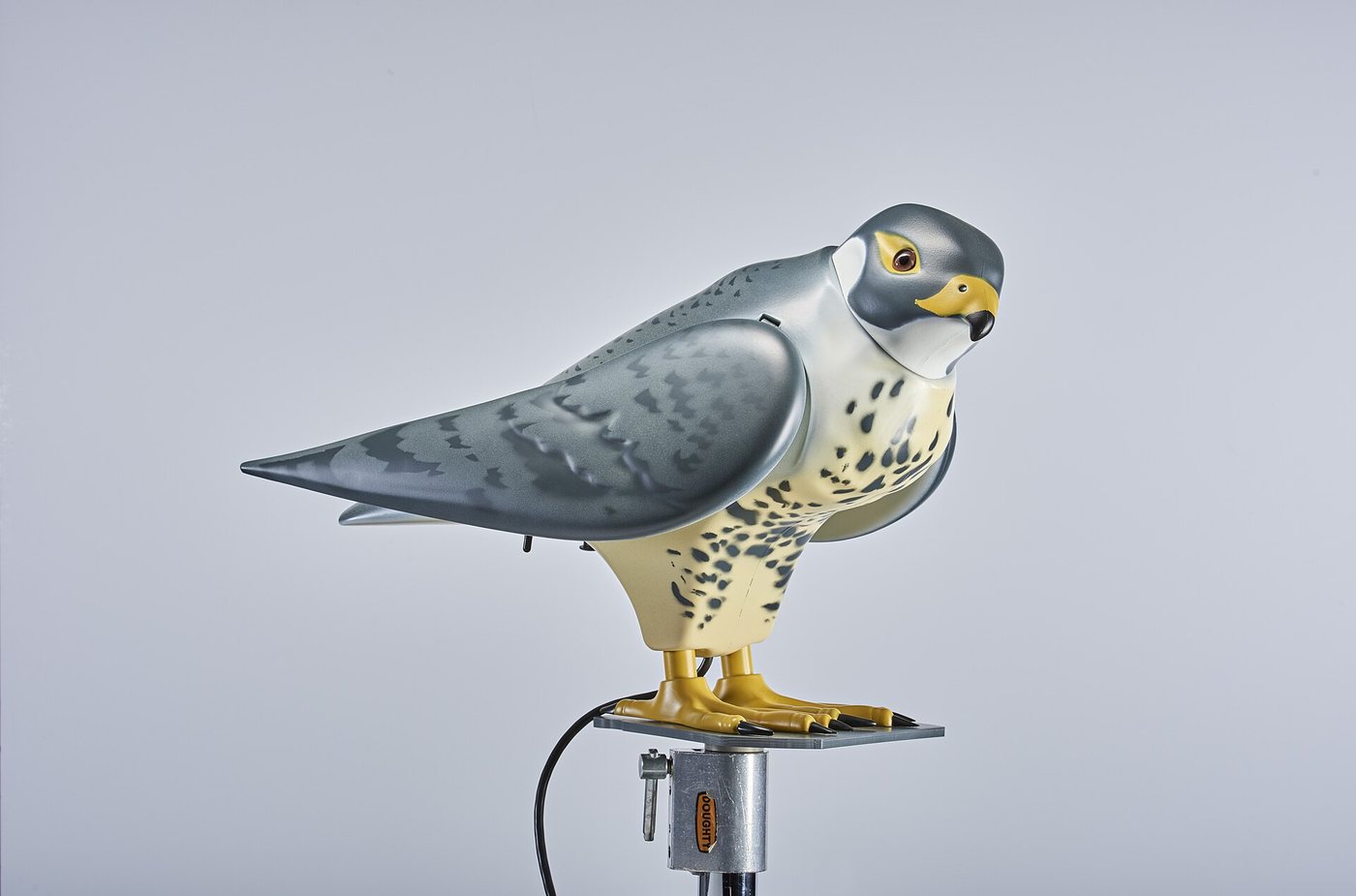
Night bird control is the hard half of the problem, and the rest of the industry is dealing with the same season. On October 21 a Turkish Airlines aircraft struck a pigeon while taxiing at Tribhuvan International Airport in Kathmandu, and the runway was closed from 06:36 until 07:48 because cleanup crews were short-staffed during the Dashain holiday. On the same day, Qiemo Yudu Airport in Xinjiang convened a winter clear-zone and crane-migration coordination meeting with the county government, adopting source-control and ecological bird-management measures and non-lethal acoustic and light dispersal to shift crane flight paths away from the airfield.
For buyers serving airports, solar farms, orchards and industrial rooftops, the specification list is converging. Ask for wavelength and beam angle, measured effective radius, duty cycle, ingress protection, operating temperature range and whether the unit can run on solar with battery backup through a winter night. Wildlife law is the constraint that shapes the whole category: in the United States the Migratory Bird Treaty Act restricts lethal control, and EU member states apply the Birds Directive, so non-lethal deterrents carry most of the demand.
Suppliers who can show field trial data across species are worth qualifying early, since airports buy on multi-year tender cycles. The same hardware sells into commercial rooftops and agriculture with a different mounting kit, so a bird repeller line that documents coverage and compliance in one datasheet can serve several channels from one tooling investment.