 YouHuYou Components
Anthropic Books $517B of Compute in Eleven Months
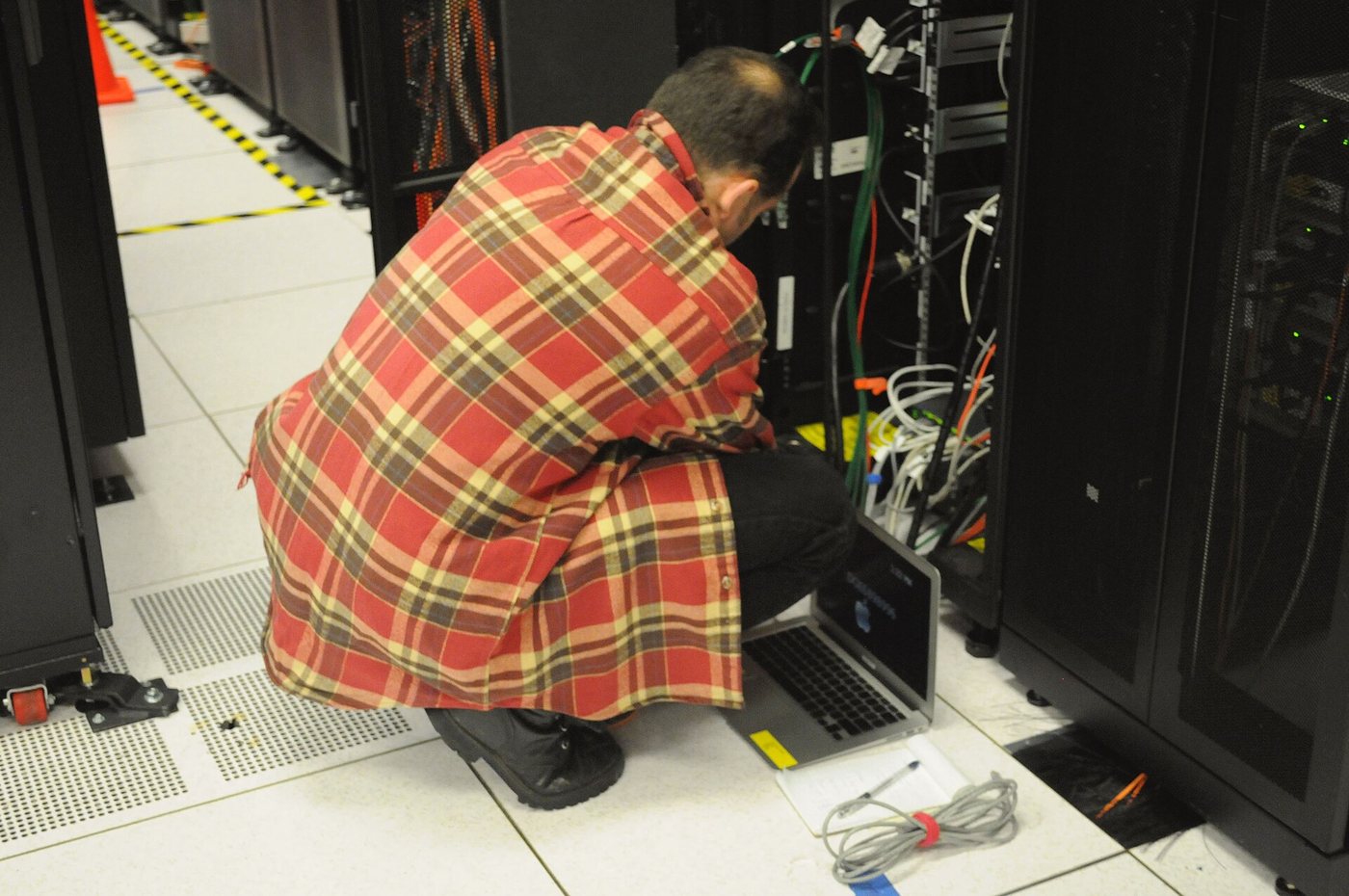
Anthropic accumulated roughly USD 517 billion of compute commitments over an eleven-month span, according to an estimate published by The Information and relayed by industry analysts on 25 October. The figure is a portfolio of multi-year obligations across cloud providers, chipmakers and data-centre operators rather than a single purchase, and it sits alongside an annualised revenue run rate that rose from about USD 9 billion in January to USD 85 billion in September, with roughly USD 100 billion expected by year-end.
The scale is easier to read against Anthropic's capital position. The company is preparing an initial public offering targeted for mid-November at a valuation near USD 2 trillion, and filings referenced in press coverage describe a half-year net loss of about USD 80.7 billion with future compute commitments stretching beyond USD 600 billion across Google, Amazon and other partners. A USD 2 trillion valuation against USD 85 billion of annualised revenue implies a price-to-sales multiple near 20 times, which only compresses if revenue roughly doubles again next year.
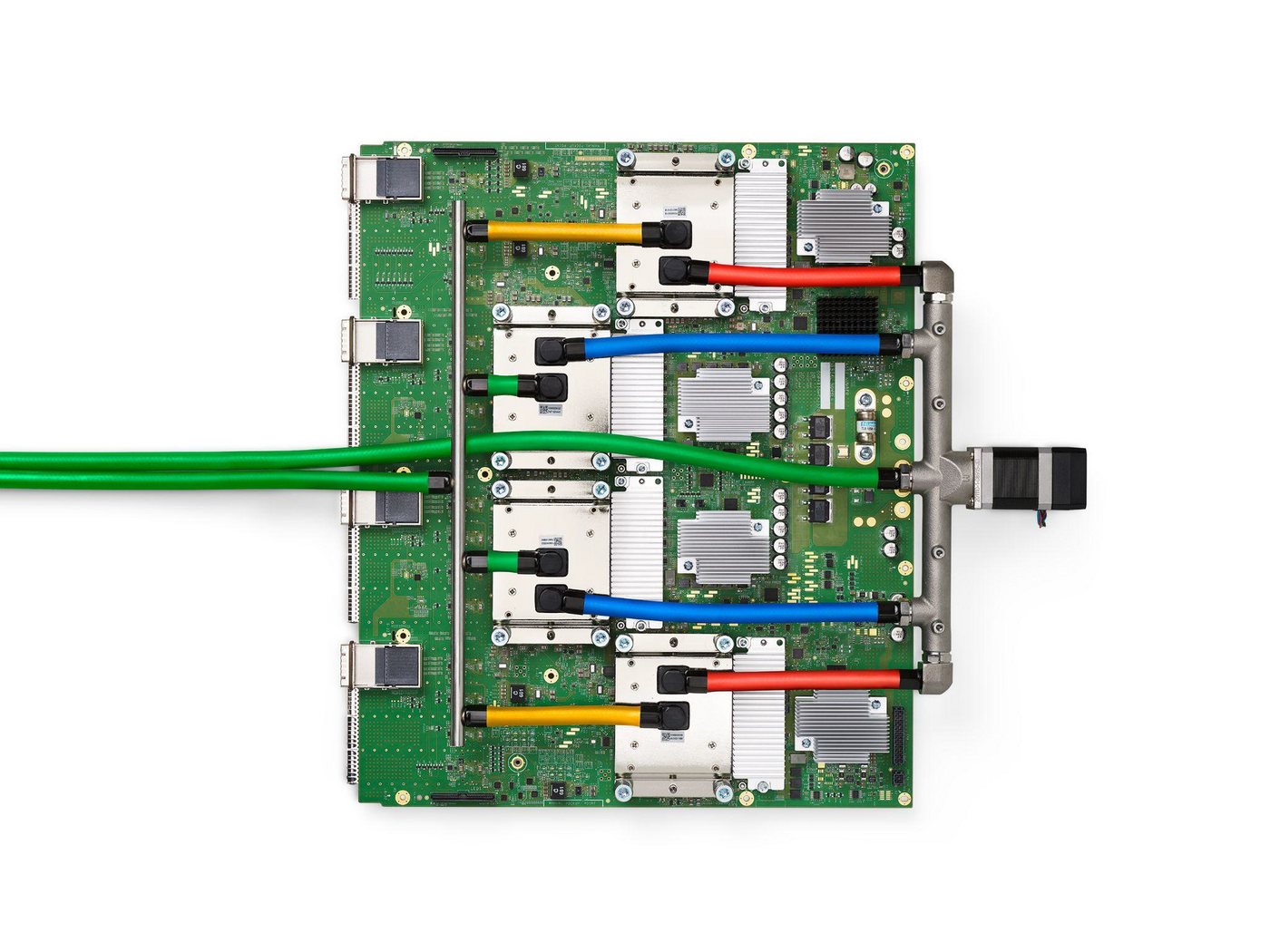
Architecturally, Anthropic runs across three silicon stacks by design: up to one million Google TPUs under a framework agreement covering more than a gigawatt of capacity in 2026, Amazon's Trainium-based Project Rainier cluster as the primary training platform, and Nvidia GPUs accessed commercially through Microsoft Azure. A reported seven-year, USD 11.6 billion agreement with Akamai adds CPU-heavy edge capacity for inference, a reminder that not every workload needs an accelerator.
That diversification has a procurement cost that rarely appears in press coverage. Every additional silicon stack is a second compiler toolchain, a second set of kernels and a second qualification path for the hardware that surrounds it. Suppliers selling into these clusters must support XLA and Neuron as well as CUDA, and must expect benchmark evidence to be requested three times for the same design.
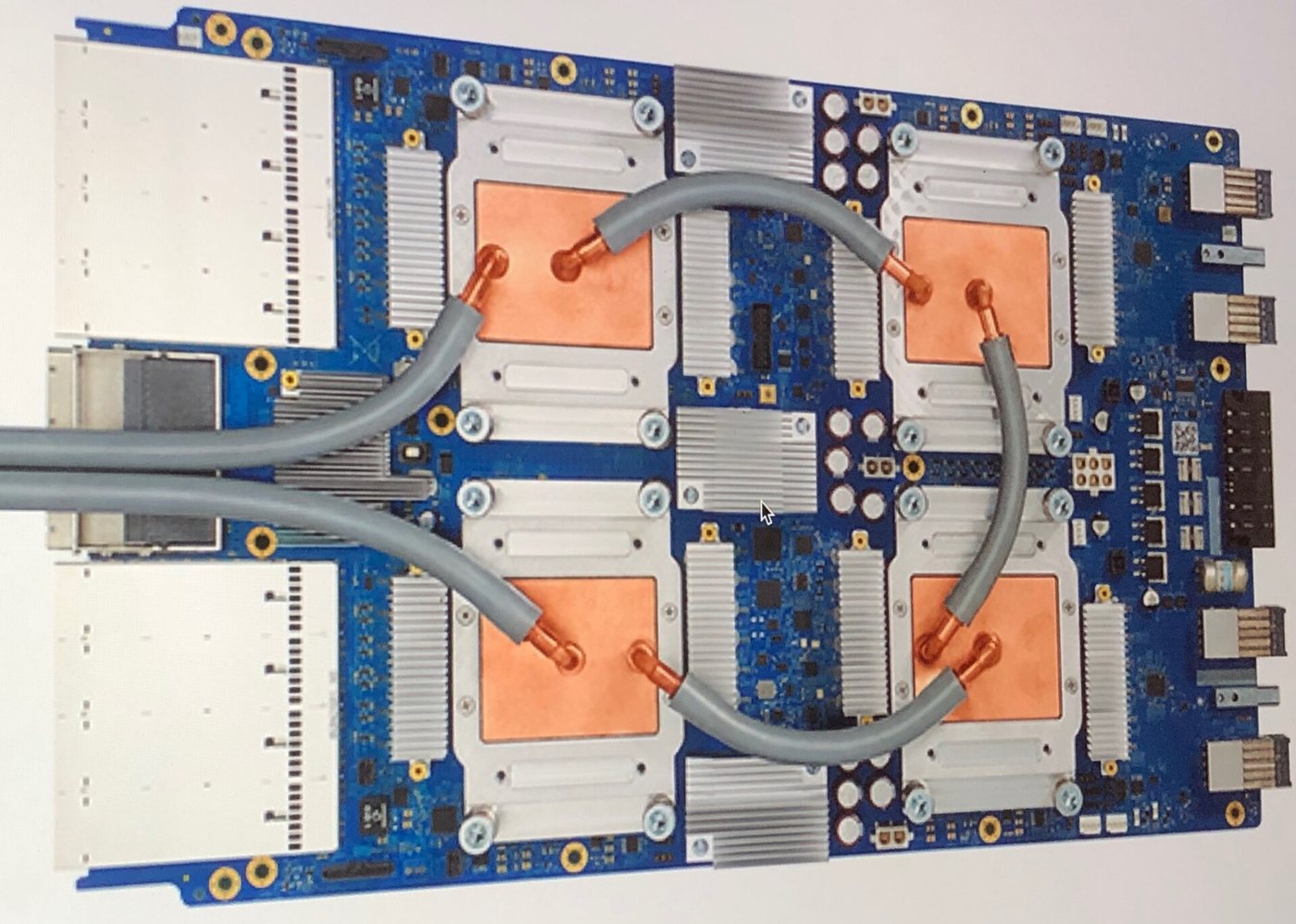
The component mix also shifts by stack. TPU and Trainium deployments consume HBM and advanced packaging in different ratios from GPU systems, but all three need the same 800-volt-class power delivery, liquid-cooling manifolds, retimers and optical links. Buyers with exposure to AI infrastructure should track which stack wins each workload, because that decides whether next year's demand lands on accelerator boards or on dense CPU servers.
Our catalogue lists parts used across these platforms, including the INA238 power monitor, the TPS546D24A 40A converter and the RTL8211F gigabit PHY for management networks.