 YouHuYou Components
AMD Helios Yields Improve as Anthropic Backs MI450
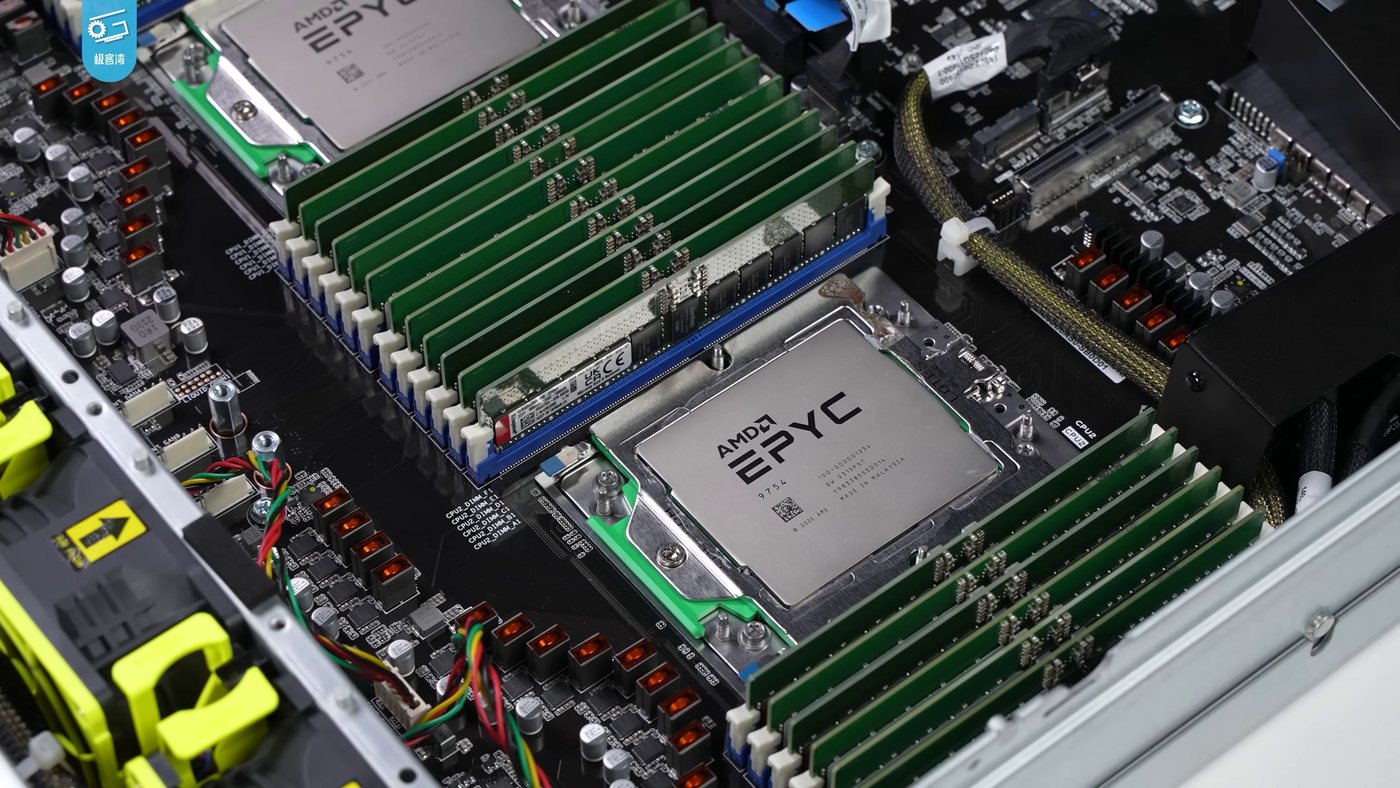
Anthropic's IPO filing disclosed that AMD may invest up to USD 5 billion in the AI developer if stated conditions are met, alongside a hardware supply framework signed in July covering Helios systems equipped with MI450 series GPUs. The investment is conditional and no funds have transferred; the disclosed figure is a maximum, not an amount received. The pairing of equity with a supply agreement is the same structure AMD has used elsewhere in the build-out.
AMD closed at USD 539.43, down 9.31 percent over the past week and about 18 percent below its 52-week high of USD 658.52, though still up 156 percent year to date. Second-quarter revenue was USD 11.54 billion, up 50 percent, with data-centre revenue of USD 6.72 billion, up 107 percent, and third-quarter guidance of about USD 13 billion. Management says Helios delivers up to 15 percent more throughput at the same rack power and up to 30 percent more tokens per dollar than the competition, and it expects data-centre revenue to more than double in 2027.
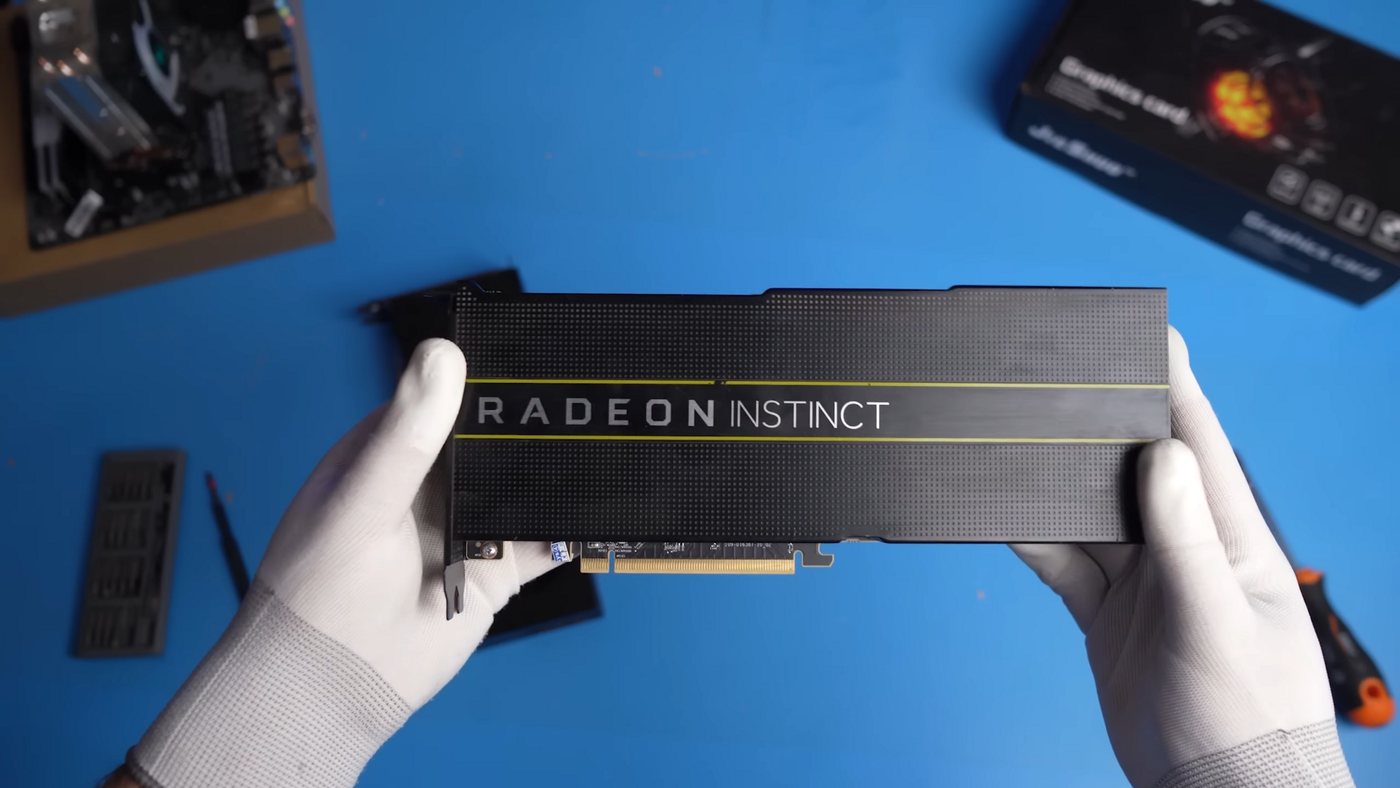
The disclosed anchor commitments are large: OpenAI at 6 gigawatts, Meta at up to 6 gigawatts and Anthropic at up to 2 gigawatts. Those numbers convert into hardware the same way for every vendor: GPU trays, host CPUs, HBM stacks, scale-up fabric, retimers, power shelves, busbars and liquid-cooling manifolds. Chief financial officer Jean Hu has been explicit that data-centre AI gross margin sits slightly below the corporate average during the ramp and that Helios yields are still improving, which is a signal about how much of the 2027 volume is already contractually committed versus contingent on yield.
AMD's position is also spreading beyond the hyperscalers. Italy's Generative Bionics said it will build a physical-AI data factory, planned at 5,000 square metres and due to open in the fourth quarter of 2027, on Helios-based infrastructure, following AMD Ventures' participation in a EUR 70 million seed round. Robotics training facilities of that kind consume a different mix than training clusters: more sensor interfaces, more industrial networking and far more storage bandwidth per rack.
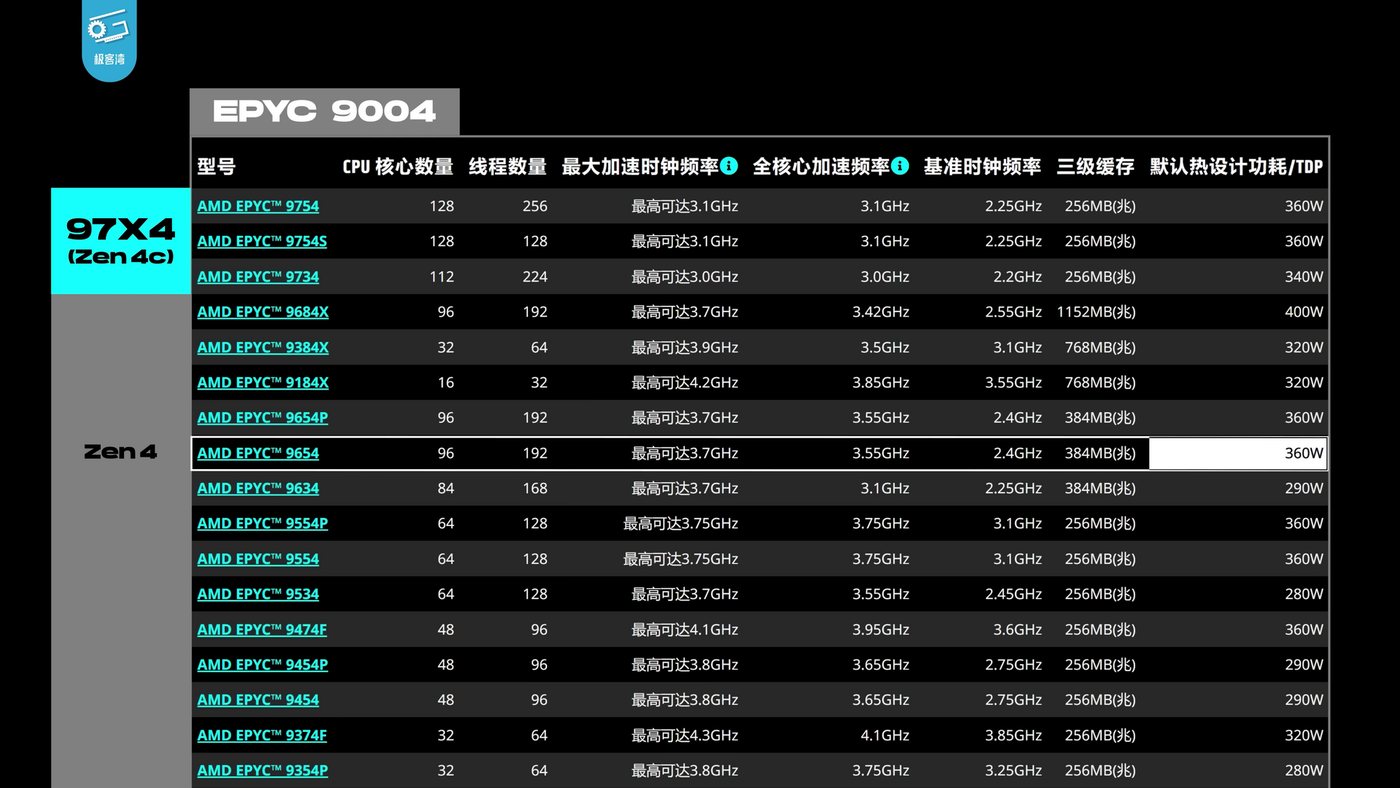
Component buyers should treat Helios as a qualification opportunity rather than a Nvidia substitute. Designs that win a place on a second rack-scale platform gain leverage in the next allocation cycle, but they also have to meet a stricter thermal and power-integrity specification. Our catalogue carries the monitoring and interface silicon these boards use, including the INA238 85V power monitor and the TCA9548A I2C switch for board management buses.