 YouHuYou Components
AWS Sells Out 2027 Capacity, Weighs Chip Leaseback
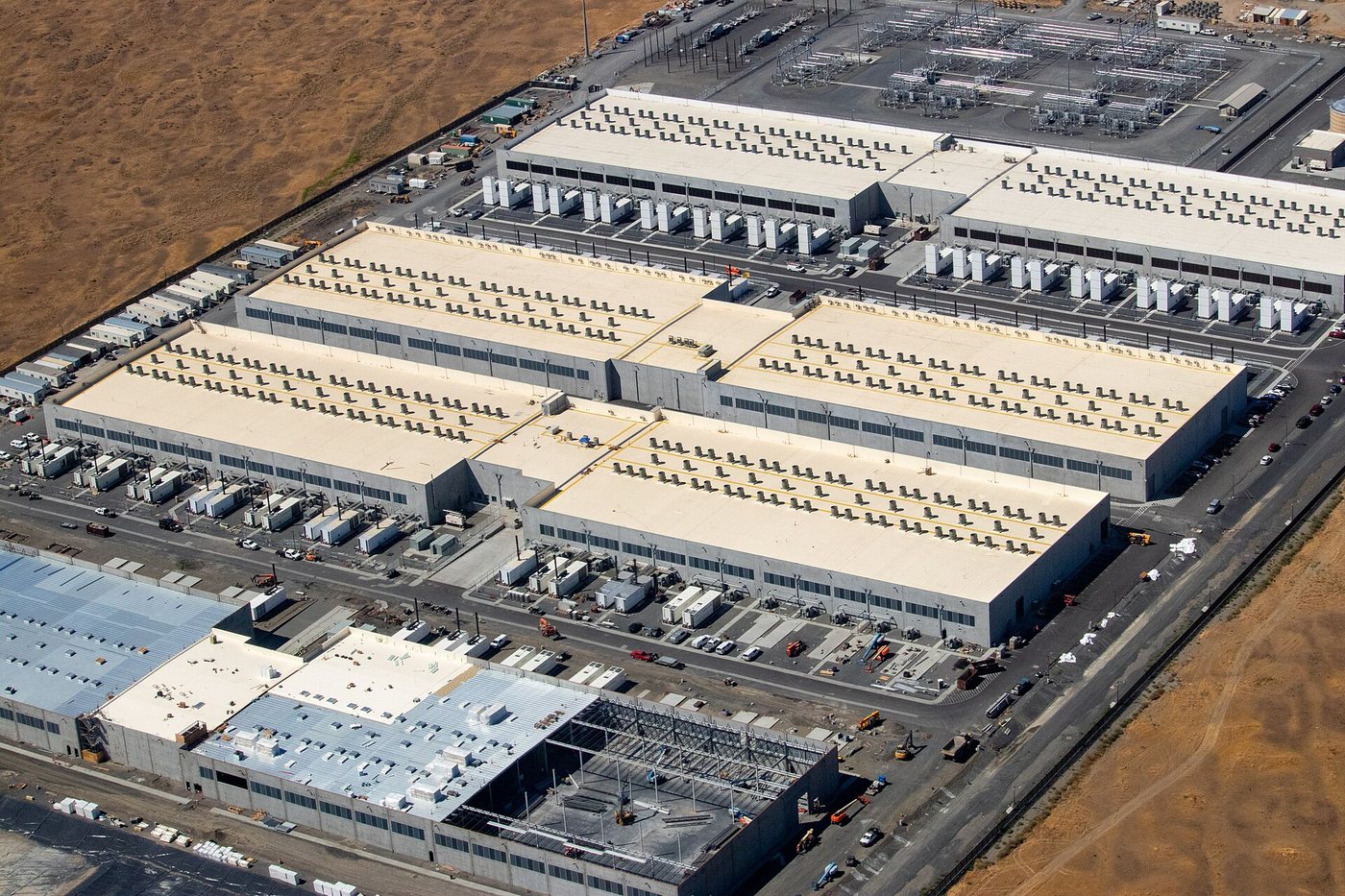
Amazon chief executive Andy Jassy said in an interview published on 24 October that AWS capacity is effectively sold out for 2026, that bulk capacity for 2027 is also largely committed, and that a substantial part of 2028 has already been reserved by customers. Amazon has said it plans about USD 220 billion of capital expenditure in 2026, and Jassy argued the company could spend more without misallocating capital, while conceding that additional spending will not close the gap quickly.
The order book is being watched closely ahead of third-quarter results on 29 October. Deutsche Bank raised its AWS growth forecast for the quarter to 41 percent from 40 percent, above the 37 percent reported in the second quarter, and expects 44 percent in the fourth quarter, with 2027 capital expenditure rising to about USD 330 billion against a consensus near USD 290 billion. In the last reported quarter Amazon group revenue was USD 200.6 billion, up 20 percent, operating income was USD 27.5 billion, up 43 percent, AWS revenue was USD 42.2 billion, up 36.7 percent at a 39 percent operating margin, and the cloud backlog stood at USD 496 billion against a USD 169 billion annualised run rate.
The most interesting disclosure for hardware buyers is a financing structure under consideration. Amazon is reportedly examining a vehicle in which roughly USD 8 billion of Nvidia Grace Blackwell systems would be transferred to a special purpose entity, with Amazon leasing back the computing capacity and outside investors taking equity in the entity. That keeps depreciation off the operating balance sheet and brings third-party capital into the asset, but it also means the equipment has a legal owner that is not the operator.
Suppliers need to ask who the buyer of record is on such structures. Purchase orders, warranty terms, field failure obligations and end-of-life disposal responsibilities can all land with the leasing entity, and payment terms may be tied to the vehicle's financing rather than to AWS's cash flow. Contracts that name the operator but invoice the owner are a common source of disputes when a program slips.
For component planning, the message is that 2027 demand is contracted rather than forecast. Buyers of power shelves, optical transceivers, busbars, fans and cold plates should expect allocation to follow these commitments, and should secure annual volumes against named programs. Our catalogue lists the monitoring and conversion parts used in rack power distribution, including the TPS546D24A 40A PMBus converter and the TMCS1100A2 current sensor.