 YouHuiYou Components
Ultrasonic Repeller Wholesale Price Tiers, Explained
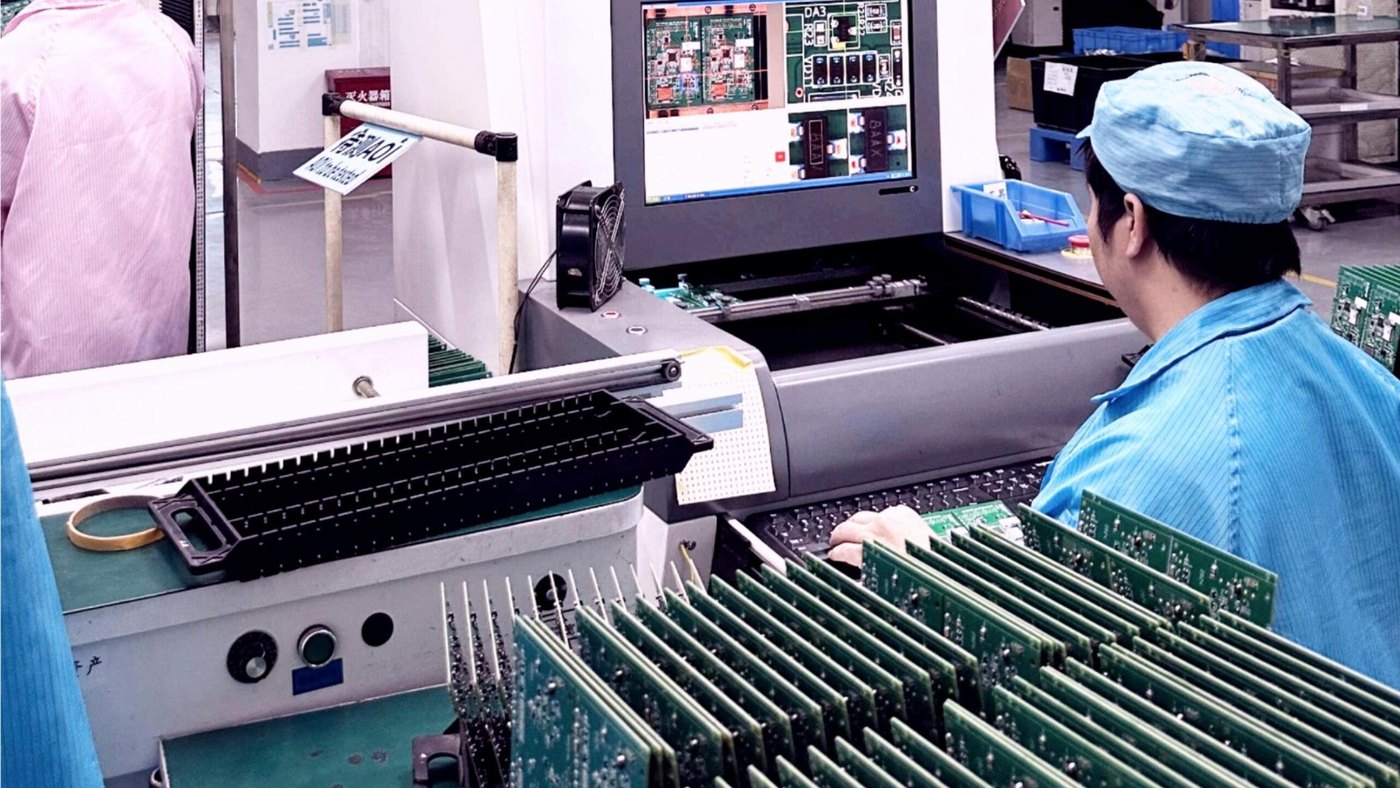
A pest repeller quotation usually arrives as a small table: a price for 500 pieces, a lower one for 1,000, a lower one again for 3,000. Buyers often read those steps as a negotiation tactic. They are not. Each step corresponds to a real cost that stops being paid once the batch is large enough, and understanding which cost it is tells you where the next step should fall.
A unit price is a bundle, not a number
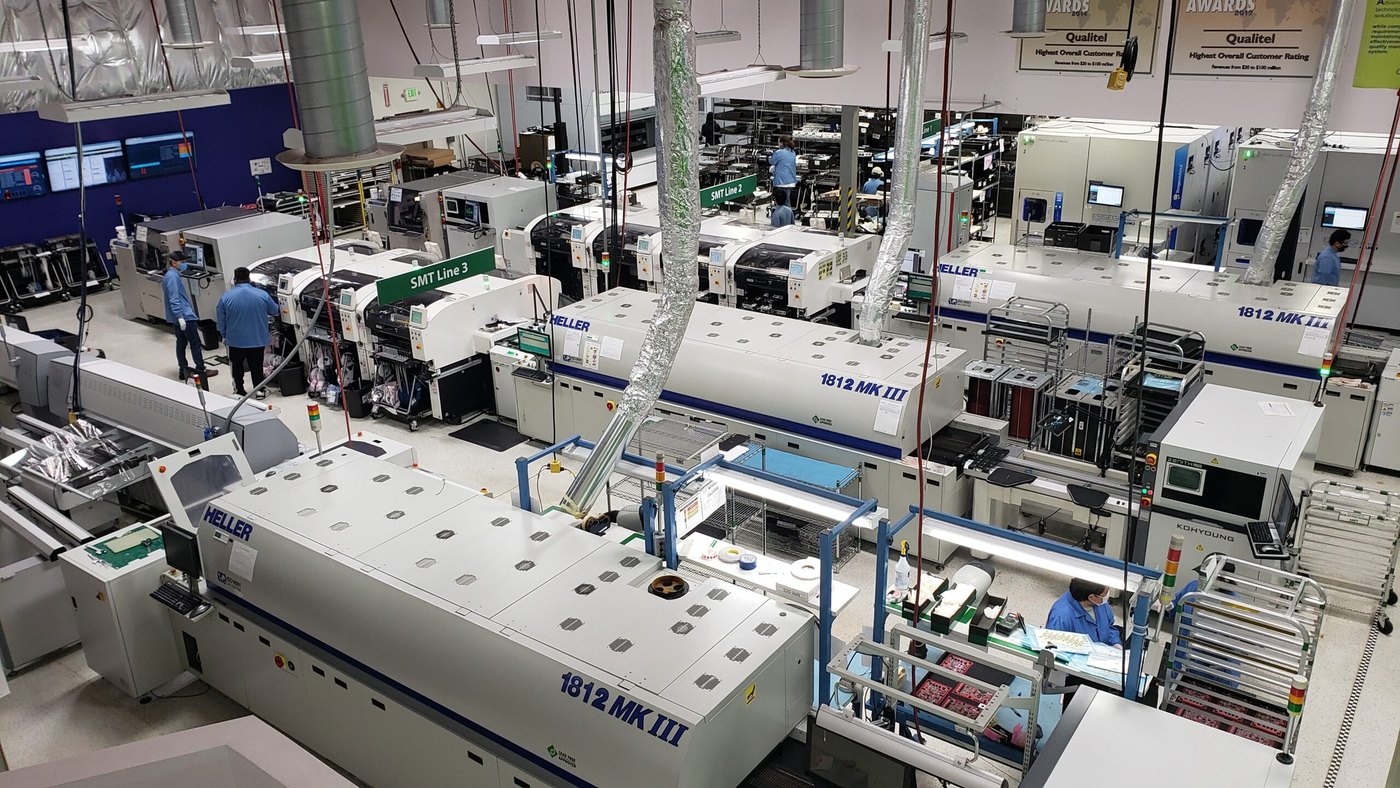
Before comparing anything, separate the four things a quoted unit price contains: the bill of materials, the conversion cost (labour, line time, test), the packaging, and the amortisation of one-off work - moulds, silk-screen frames, artwork plates, test reports. The first two scale almost linearly with quantity. The last two do not, and they are the reason the price curve bends rather than running straight.
This is also why two quotes for the same model can differ by thirty percent without either supplier lying. One is quoting a standard carton with a sticker, the other a printed colour box; one is amortising tooling across the order, the other is treating the mould as sunk and quoting only conversion. The numbers are not comparable until the bundle is.
Where the breaks usually fall
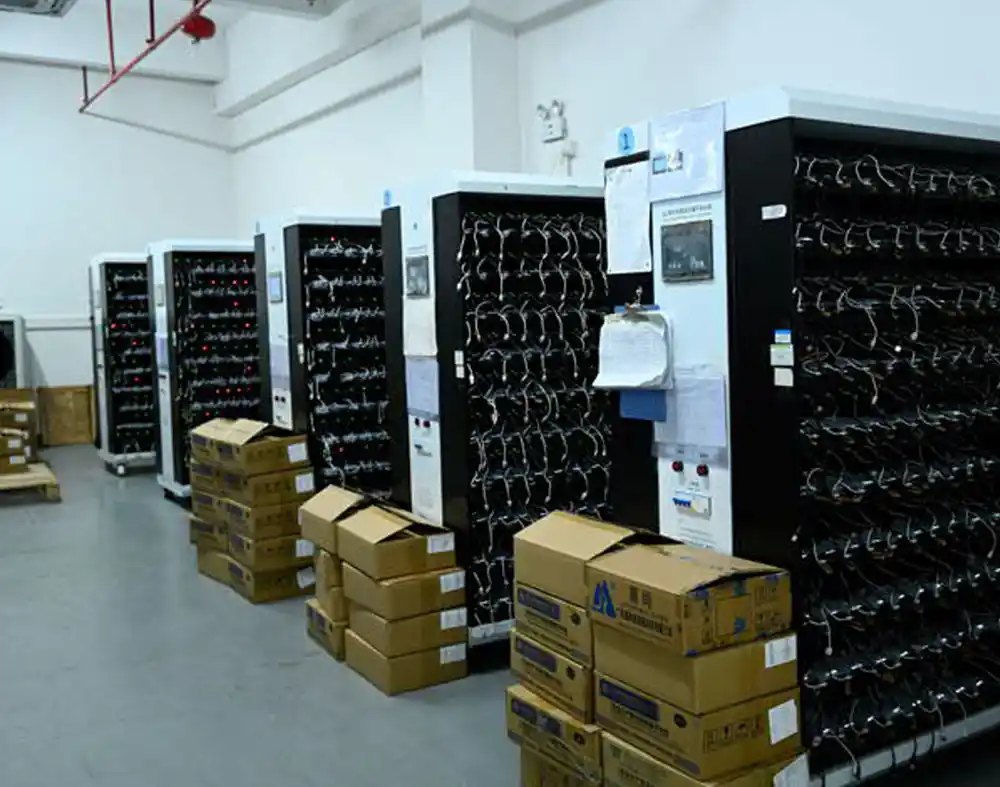
For low-cost electronics in the two-to-fifteen dollar range, price steps most often appear at 500, 1,000, 3,000 and 10,000 pieces. The 500 step is usually the carton printer's minimum: below it, cartons are bought at a retail-rate short run or replaced with stock boxes and labels. The 1,000 step is where component purchasing moves from spot buying to scheduled purchasing, which is a real cost difference in a market where passive components move weekly. The 3,000 and 10,000 steps reflect line efficiency and, at the top end, the point where the factory will hold a dedicated run rather than slotting the order between others.
None of these are universal. A model with a five-layer PCB and an injection-moulded housing has different economics from a simple plug-in box. But if a supplier's tiers fall at 800, 2,400 and 6,000, that is worth asking about - unusual steps usually mean the supplier is not the manufacturer.
What changes at 1,000 pieces
The 1,000-piece step is the one that matters most for a first-time importer, because it is where the order stops being a sample-plus and becomes a production run. Three things change at that point. Component purchasing can be scheduled, so the bill of materials cost drops and - more importantly - stops moving between quote and shipment. Packaging can be printed at a sensible rate, which is where most of the visible saving comes from. And the factory will normally allocate a fixed production window, which converts a vague lead time into a date.
Below 1,000, you are usually paying for flexibility: the factory fits you in, buys components at spot prices, and prints packaging in short runs. That is a fair trade for a market test, and it is exactly what a first order should be.
The variant that quietly adds a tier
Plug type and voltage are the most common hidden cost in this category. A repeller sold into the United States needs a different plug insert from one sold into Germany, and a 110 V version is not the same build as a 220 V version - the transformer or the switching supply changes. Suppliers who quote one price for a mixed order are either absorbing the changeover or planning to substitute.
Ask for the price per plug variant at your quantity, and ask whether a mixed order carries a surcharge. A factory that runs US and EU variants on the same line will usually accept a mixed container, but the switchover has a cost and pretending otherwise only moves it into the delivery date.
How to compare two quotes fairly
Put four columns beside each other before deciding anything: unit price, what is included in the carton (plain box, printed box, manual, insert), the trade term, and the payment schedule. A quote at a lower unit price with EXW terms and a fifty-percent deposit is frequently more expensive than a slightly higher FOB price with thirty percent down, once freight, insurance and working capital are counted.
Then ask each supplier the same three questions in writing. Which date code will the components carry? What is the function-test protocol per batch, and can I see a sample report? If I reorder the same quantity in three months, is the price held, and for how long? The answers separate manufacturers from intermediaries faster than any factory tour.
What the tier table is really telling you
A published tier table is a statement about how the factory is set up. Steps at round numbers with a clear packaging and component story behind them indicate a plant that knows its own cost structure. A single price with a note that "price depends on quantity" indicates a supplier who will work it out after you commit - which is fine for a one-off purchase and expensive for a programme.
Current tiers for each model are on the rodent repeller, insect repeller and solar bird repeller pages. If you have a target landed cost rather than a target unit price, send it to the inquiry desk with the quantity and destination port - working from the landed number usually produces a more useful conversation than arguing about the ex-works figure.