 YouHuiYou Components
OEM vs Private Label for Pest Repellers: Which to Pick
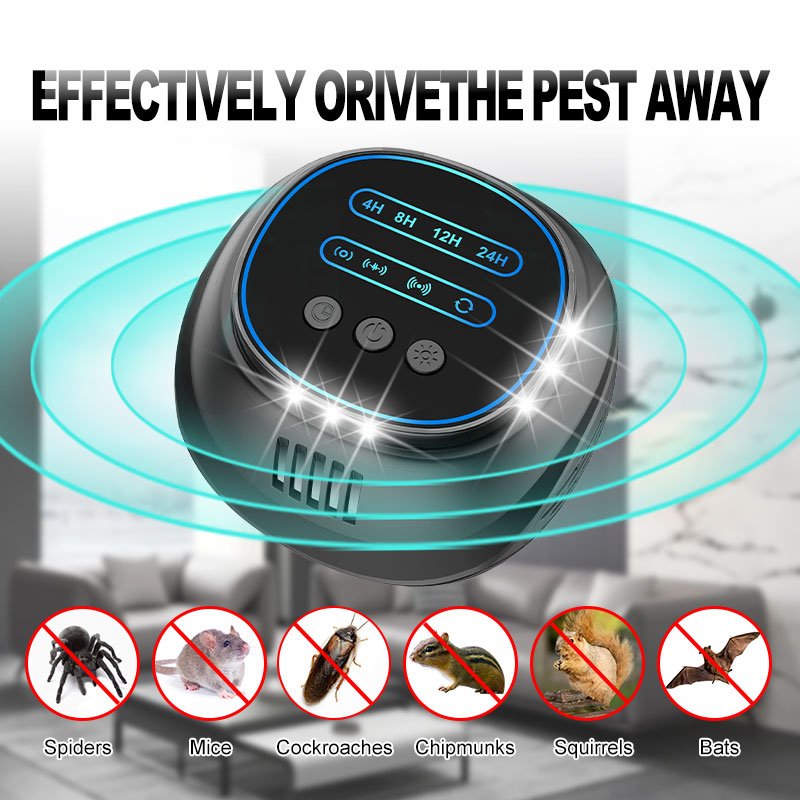
"Do you do OEM?" is the most common first question in a pest repeller enquiry and the least informative, because the answer is almost always yes and it means three different things. Buying a standard model with your logo on it, buying a standard model in your own packaging, and commissioning a new device are separated by an order of magnitude in cost, minimum quantity and time - and by a real difference in who carries the certification.
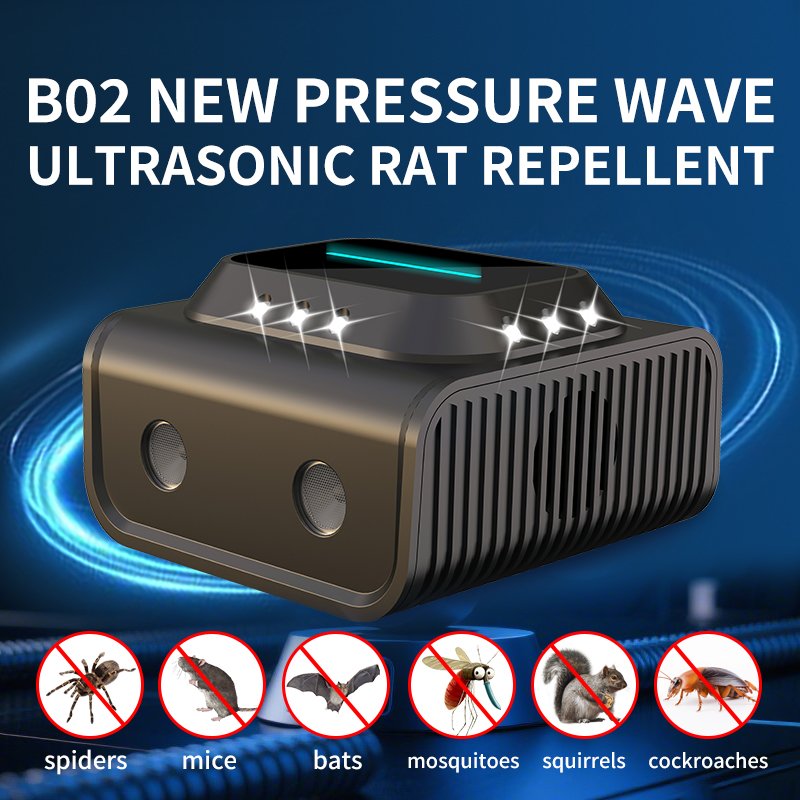
Three levels, not two
It helps to stop using OEM and private label as opposites and treat customisation as three levels. Level one is branding on an existing model: your logo printed on the housing, your name in the manual. Level two is private label: a standard platform in your housing colour, your retail box, your manual, your barcode. Level three is ODM: a new housing, a new PCB, a different frequency profile or a different feature set, developed for you.
Most first programmes belong at level one or two. Level three is a product decision, not a sourcing decision, and it should be taken after a season of selling the platform.
Level one: logo on an existing model
Logo printing is the cheapest route into your own brand and the least disruptive to the schedule. The housing is already moulded, the certification already covers the platform, and the only new work is a silk-screen frame and a revised manual. Typical minimums sit at the low end of the production floor, and the lead time increase over a stock order is measured in days rather than weeks.
Two things are worth checking. First, whether the print is pad-printed or silk-screened, because the two wear differently on a textured housing. Second, whether the model number on the certification documents matches the model you are buying - a logo change does not require a new test report, but a different internal build sold under the same name does, and that is exactly the substitution an unscrupulous supplier will make.
Level two: private label
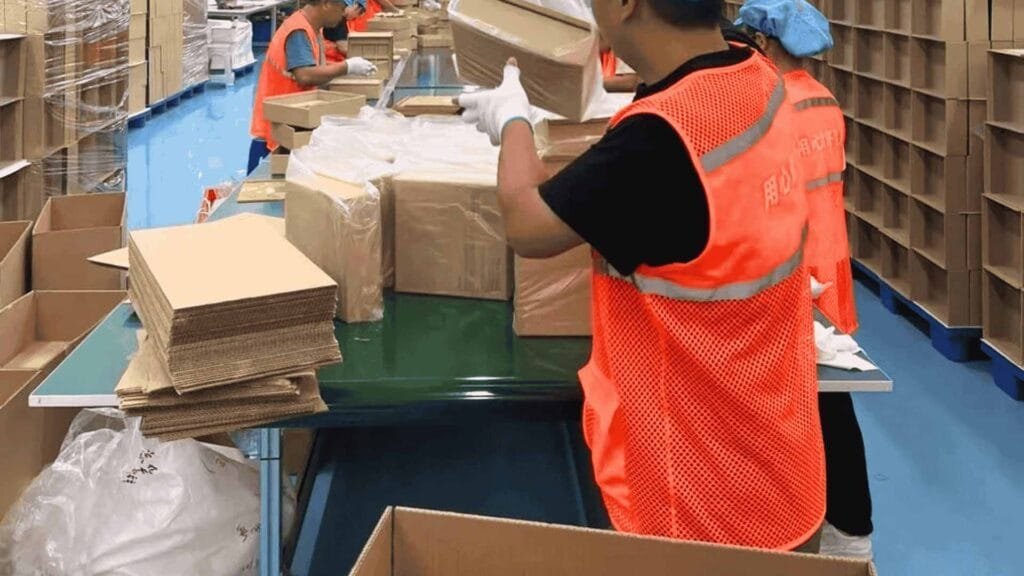
Private label is where most of the commercial value sits, because the retail box is what the customer actually sees. It is also where most of the schedule risk sits: cartons and colour boxes are printed by a third party, they have their own minimum run and their own queue, and they cannot be packed until they arrive.
A housing colour change is a separate decision from packaging, and buyers often bundle the two without realising the cost difference. A new colour on an existing mould usually means a minimum run of moulded parts and a colour-match approval; on many platforms it is accepted at a few thousand pieces. If your plan is a colour that matches a retail brand, ask for a physical colour chip rather than approving from a screen render.
Private label also changes who is responsible for what on the packaging. Claims, warnings, importer address, barcode and language requirements are yours to specify and the factory's to print. Put them in the artwork file, not in an email, because a carton printed with the wrong importer address is a container that cannot be received.
Level three: ODM, and what it really costs
A new housing means a mould, and a mould means money and time before the first saleable unit exists. A new PCB means engineering, a prototype round, EMC testing and - depending on the market - a new certification file. Budgets for a straightforward ODM repeller typically run into five figures in US dollars and several months, with the tooling paid up front and owned by whoever paid for it. That ownership question belongs in the contract, not in a later conversation.
The commercial justification for level three is a feature or a form factor that the platform cannot reach: a different coverage pattern, an integrated sensor, a housing that fits a specific retail channel. If the requirement is simply "our own product", a level-two programme on a proven platform will get to market faster and cheaper, and the margin difference is rarely large enough to justify the tooling.
Who owns the certificate
This is the part buyers most often get wrong, and it is the part that matters after a customs query. CE marking is the manufacturer's declaration; the technical file has to exist and has to cover the exact model. When you buy a private-label version of a platform, the test report still describes the platform and the factory's name usually appears as the manufacturer. That is workable for most importers, but it means your file depends on the factory keeping its records - so ask for a copy of the declaration of conformity and the test report with the first shipment, not on request later.
If you are the importer into the EU, you carry obligations regardless of who tested the device: the declaration has to be available, the marking has to be correct, and the instructions have to be in the language of the market. For US pest devices, the compliance question is different again - ultrasonic units are not registered pesticides, so the burden falls on electromagnetic compatibility and on substantiating any pest-control claim you print.
Design rights and the copycat problem
Before investing in a private label programme on an existing housing, ask whether the mould is the factory's own design or a copy of someone else's. Exterior designs circulate quickly in this category, and a mould that infringes a registered design can turn a good season into a recall. A factory that can show its own tooling drawings, and that has sold the same platform to several markets without complaint, is a safer bet than one that cannot say where the mould came from.
A decision rule
If your goal is to test a market this season, take level one: a proven model with your logo, standard packaging, small quantity. If your goal is a retail-ready brand with a shelf presence, take level two on a platform that already has certification, and start the packaging artwork before you place the order. If you have a feature the market does not have and a budget for tooling plus a certification cycle, take level three - and put mould ownership, exclusivity and the technical file in the contract before the first invoice.
The platform models available for private label are listed under rodent repellers, insect repellers and solar bird repellers. For a programme quote, send the model, the target quantity and what you want changed to the inquiry desk - specifying the level you want is the fastest way to get a usable number.