 YouHuiYou Components
Pest Repeller MOQ, Samples and Lead Time: A Buyer's Guide
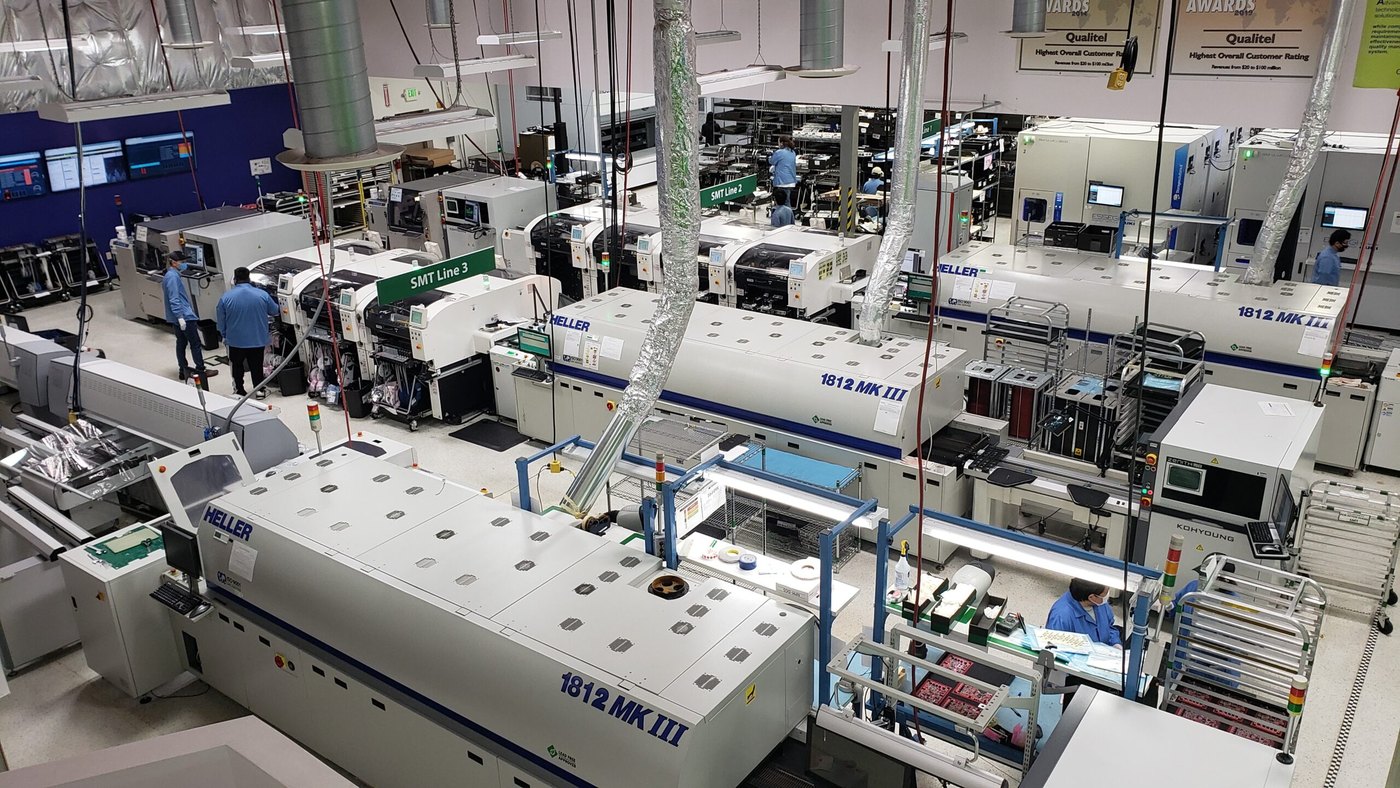
Every first order starts with the same three questions: how many do I have to take, can I see one before I commit, and when will it actually arrive. For ultrasonic pest repellers those three answers are more connected than most buyers expect, because the MOQ, the sample round and the production schedule all sit on the same factory calendar.
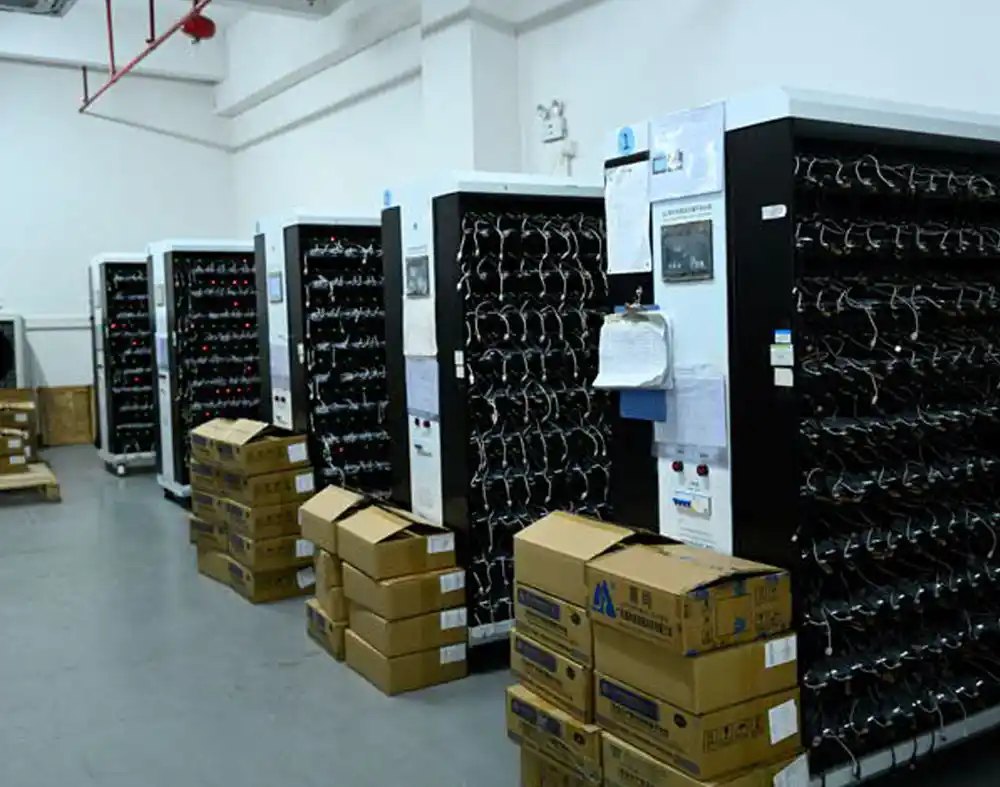
Why a minimum order exists at all
A plug-in repeller sells for a few dollars, which is exactly why the MOQ is not an arbitrary number. The fixed work around an order is several times the value of one unit: the injection mould has to be set and the first shots checked, the silk-screen frame has to be aligned for your logo, the carton has to be printed (usually in a minimum run of its own), and the line has to be cleared and restarted. None of that work scales down to ten pieces.
The practical consequence is that MOQ is a function of how much of the product you change, not of how many units you buy. A standard model in standard packaging can ship in small quantities because nothing has to be re-set. A model with your housing colour, your retail box and your manual has to amortise that setup over the batch, so the batch has to be larger.
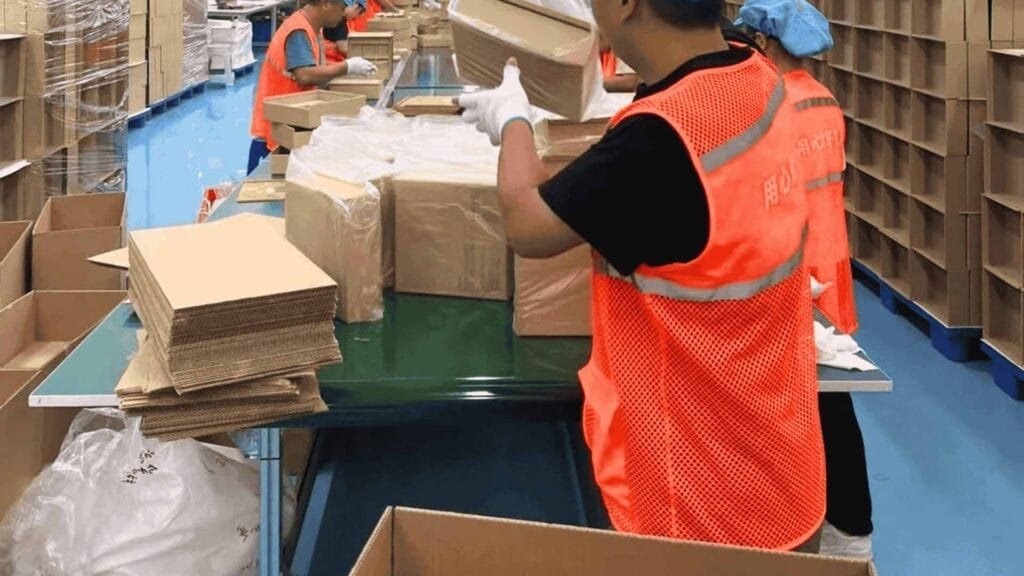
The sample stage: what one to five pieces actually proves
Sampling is where most sourcing decisions are made, and it is worth being precise about what a sample can and cannot tell you. A sample confirms build quality, mould finish, plug type, noise level and whether the frequency sweep behaves as described. It does not confirm batch consistency, packaging durability in transit, or how the unit performs after six months in a warm warehouse.
Ask for the sample to come from a production batch rather than from an engineering bench, and ask which batch. A unit that was hand-assembled for the photo shoot tells you almost nothing. For a market where returns are expensive - and pest control is one, because a device that fails is a customer complaint rather than a returns statistic - it is worth ordering two or three units and running one continuously for a week before placing the production order.
Sample lead time from a factory that holds stock of its standard models is typically three to seven days plus transit. If a supplier quotes three weeks for a standard sample, the model is probably being made to order, which changes the production lead time you should expect later.
Production MOQ: 200 to 500 per model, and what moves it
For ultrasonic repellers the usual production floor is 200 to 500 pieces per model, with the exact figure set by the amount of customisation. Logo printing and a retail-ready colour box sit at the low end; a new housing colour, a new mould or a different PCB pushes the number up, because each of those carries its own setup.
There are three legitimate ways to bring the number down without paying a premium. First, share packaging across models: one carton design covering a three-model family usually clears the carton printer's minimum on its own. Second, accept a standard housing colour for the first order and move to your colour on the second, when volume is proven. Third, combine models: a 200-piece minimum per model becomes a 600-piece order across three models, which most factories will schedule as one run.
What is not legitimate is a very low quoted MOQ from a trading company that has no line of its own. The number is achievable only because the units are bought from whoever has stock that week, which means you are not controlling the build, the firmware revision or the date code.
Lead time is three clocks, not one
When a supplier says fifteen to twenty-five days, that figure describes production only. A first order has three parallel clocks and the longest one sets the delivery date.
The production clock is the one usually quoted: fifteen to twenty-five days after deposit for a standard model, longer if the housing or PCB changes. The packaging clock starts when your artwork is approved, because cartons and colour boxes are printed by a third party and have their own minimum run and queue; approve artwork late and production finishes with nothing to pack into. The compliance clock covers test reports and declarations - quick if the model already has them, slow if a variant needs a new EMC run.
The failure mode is predictable: a buyer approves artwork in week three, the printer takes ten days, and a twenty-day production promise becomes a thirty-five-day shipment. Fix the artwork deadline in the purchase order, not just the delivery date.
Planning around the season rather than the calendar
Pest control hardware is seasonal in a way that catches first-time importers. Demand in North America and Europe climbs from late summer and peaks through autumn, when rodents move indoors; the northern-hemisphere retail reset happens before that, which means container bookings cluster in July and August. A factory that quotes twenty days in March may quote thirty-five in August without anything having gone wrong.
If your first order is a season entry, work backwards from the shelf date rather than forwards from today: retail reset date, minus transit, minus production, minus artwork and sample approval, minus a buffer for a re-test. That arithmetic usually says the order should have been placed six weeks earlier than the buyer assumed.
What to put in the purchase order
Four clauses remove most of the friction on a first order. State the MOQ per model and the total, so a substitution later is visible. State the artwork approval deadline and that production is scheduled from that date. State the trade term precisely - EXW Dongguan and FOB Shenzhen are not interchangeable once freight and risk transfer are priced. And require a batch function-test record with the shipment, because the report is the cheapest quality document you will ever get and the only one that lets you argue about a defect six weeks later.
The models themselves are on the rodent repeller, insect repeller and solar bird repeller pages, with the current wholesale tiers shown per model. If you would rather work from a required quantity and a target price than from a catalogue, send both to the inquiry desk and ask what is achievable - the honest answer is more useful than a brochure.