 YouHuiYou Components
Pest Repeller Landed Cost: What the FOB Quote Hides
An FOB quote tells you what the goods cost at the port of loading. It does not tell you what they cost to land, and the gap is rarely small: for low-value consumer electronics from China, freight, duty, compliance and the cost of money typically add 30 to 45 percent on top of the FOB number. Buyers who compare two suppliers on FOB price alone are often comparing the wrong thing.
This is a framework, not a price list. Freight rates move weekly and duty depends on your HS code and your market, so the percentages below are ranges to plan against, not quotes. What stays constant is the structure, and the structure is where most margin quietly disappears.
One: freight is priced on volume, not on units
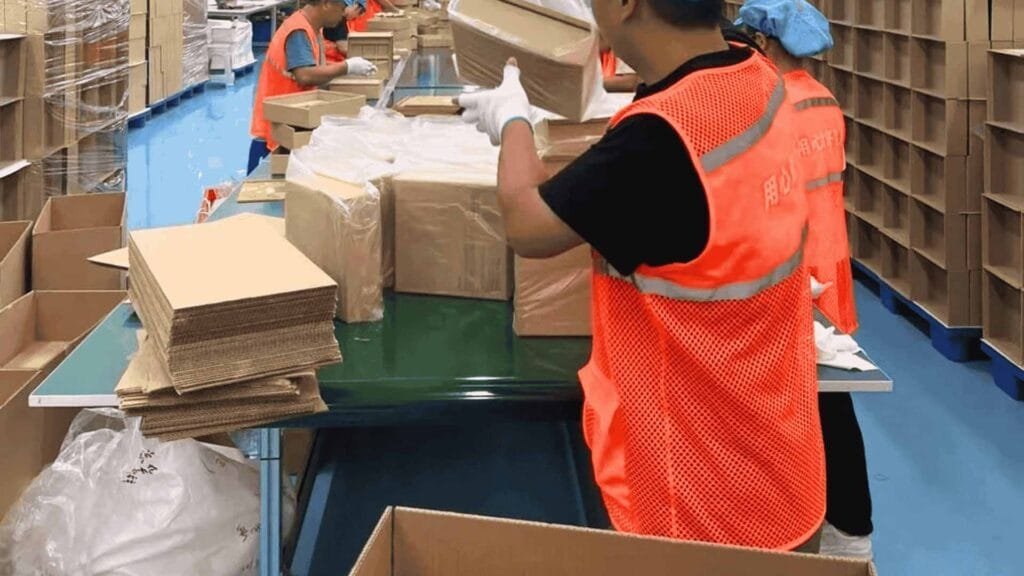
Ocean freight is charged by cubic metre or by container, not by unit, which means the cheapest part per unit is the one that packs tightest. A repeller in a retail colour box with a printed insert can occupy twice the carton volume of the same unit in a plain box, and the FOB price barely moves — the freight does.

Two things follow. First, always ask for the carton dimensions, the units per carton and the gross weight, not just the price. Those three numbers let you calculate how many cartons fit a 20GP (about 33 m³ usable) or a 40HQ (about 68 m³), and that calculation is the difference between a clean margin and a shipment you cannot afford to repeat.
Second, if your packaging is decorative, check whether the manufacturer can supply a flat-packed or sleeved version for the first order. A carton that is 15 percent smaller is 15 percent cheaper to move, and that saving is larger than most of the unit-price concessions you will negotiate.
Two: duty is a percentage of a number you control
Import duty is calculated on the customs value, which is normally the transaction value plus international freight and insurance — so a cheap FOB price with expensive freight does not reduce your duty base as much as it looks. The HS code determines the rate, and the code is not the supplier's choice: it is the importer's legal declaration, and getting it wrong is your liability, not theirs.
For pest-control devices the classification question is usually whether the unit is an electrical appliance, a pest-control article, or a plastic household item — three different chapters, three different rates, and in the United States potentially different exposure to Section 301 tariffs. Ask the factory what code they ship under, then verify it against your own customs broker's opinion. Do not accept "we always use this code" as an answer.
Then add the taxes that are not duty: EU import VAT is recoverable for a VAT-registered importer but still has to be funded for weeks, and in some markets there is an additional environmental or packaging levy. These do not show up in a supplier quote at all, and they are the line most first-time importers miss.
Three: compliance is a cost even when it is free
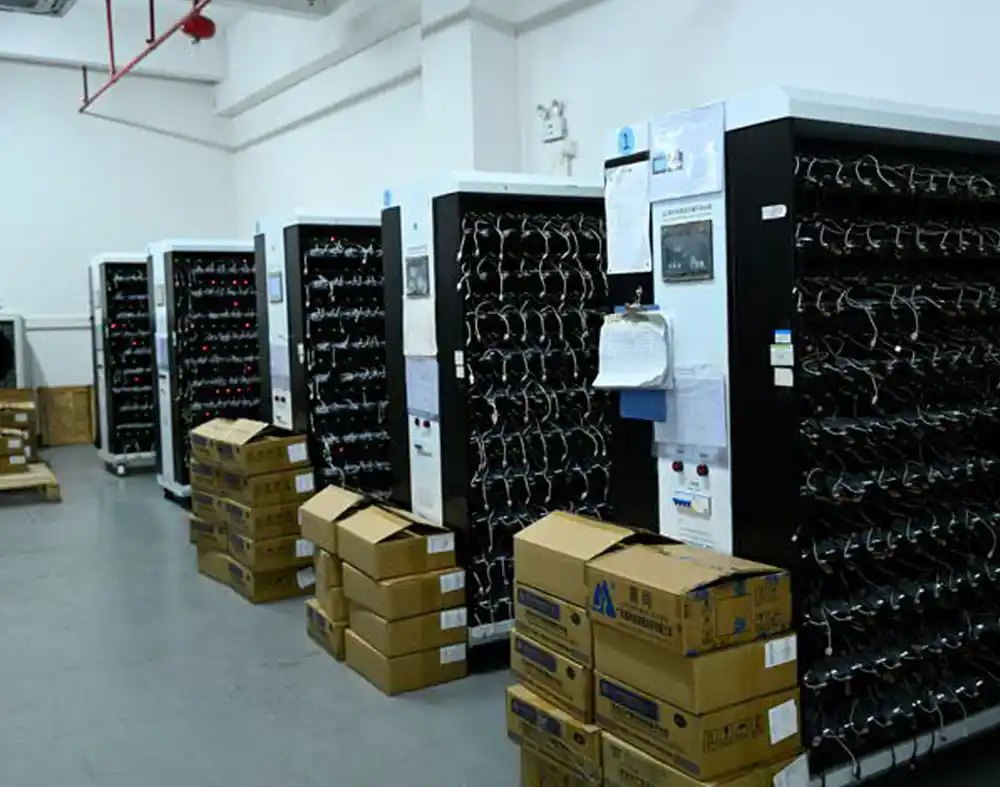
"CE and RoHS support" is a line in every quotation and almost never a line in any budget. What it actually requires: a technical file that exists and covers your exact model, a declaration of conformity with the right directives and the importer's details on it, and instructions in the language of each market you sell into. For a US pest device, ultrasonic units are not registered pesticides, so the burden moves to electromagnetic compatibility and to substantiating any claim printed on the box.
None of that is expensive in isolation. It becomes expensive when it is discovered late — a shipment held at the port because the declaration names a model that is not in the technical file, or a retail listing suspended because the packaging claim cannot be backed up. Budget a compliance review into the first order, not the second.
Four: the cost of money is real and usually forgotten
A thirty percent deposit paid in March on goods that sell in October is working capital that has to come from somewhere. Add the weeks between shipment and sale, and the true cost of a container is the FOB price plus freight plus duty plus the interest or opportunity cost on all of it for six months. On seasonal pest-control lines, where the whole year's demand sits in a ten-week window, this is the difference between a profitable season and a warehouse full of stock in November.
Currency belongs here too. A quote in US dollars with a payment date two months out carries exchange risk that neither side has priced. If your volume justifies it, ask for the rate basis to be fixed at order confirmation rather than at shipment.
The framework, in one table
Build the number in this order, and you will see immediately which supplier is actually cheaper: FOB unit price × quantity; plus carton-driven freight; plus duty on the CIF value; plus import VAT (as cash flow, not cost); plus inland transport from port to warehouse; plus compliance review; plus financing cost for the period you hold stock; plus the cost of the units you expect to lose to damage or returns. The last line is not pessimism — in this category, a two to three percent allowance is realistic, and a supplier whose packaging survives transit is worth more than one whose unit price is five percent lower.
Where this changes the negotiation
Once the landed number is on the table, two things usually happen. Buyers stop optimising the unit price and start optimising carton volume, which is where the real money is. And the factory's DDP offer starts to look less like a markup and more like a service — a supplier who can quote DDP has already absorbed the freight variability, the customs risk and the compliance check, and that bundle is often cheaper than doing it badly yourself.
Ask for both: an FOB price and a DDP price to your warehouse, with the HS code and carton dimensions in writing. The gap between them tells you what the supplier thinks the logistics actually cost — and if that gap is implausibly small, the number you are being given for FOB is probably not the number that will be invoiced.
Three things to do before the next order
Get the carton dimensions and units per carton for every model you buy, and calculate your container fill. Get the HS code in writing and have your broker confirm it. And add a compliance line to the budget, even if the supplier says the documents are included — the documents being included is not the same as the documents being correct.
The models and their packing data are on the rodent repeller, insect repeller and solar bird repeller pages; send your destination port and volume to the inquiry desk and ask for FOB and DDP side by side — the comparison is more useful than either number alone.