 YouHuiYou Components
Bed Bug Resistance and 0.5 mm Cracks Defeat DIY Sprays
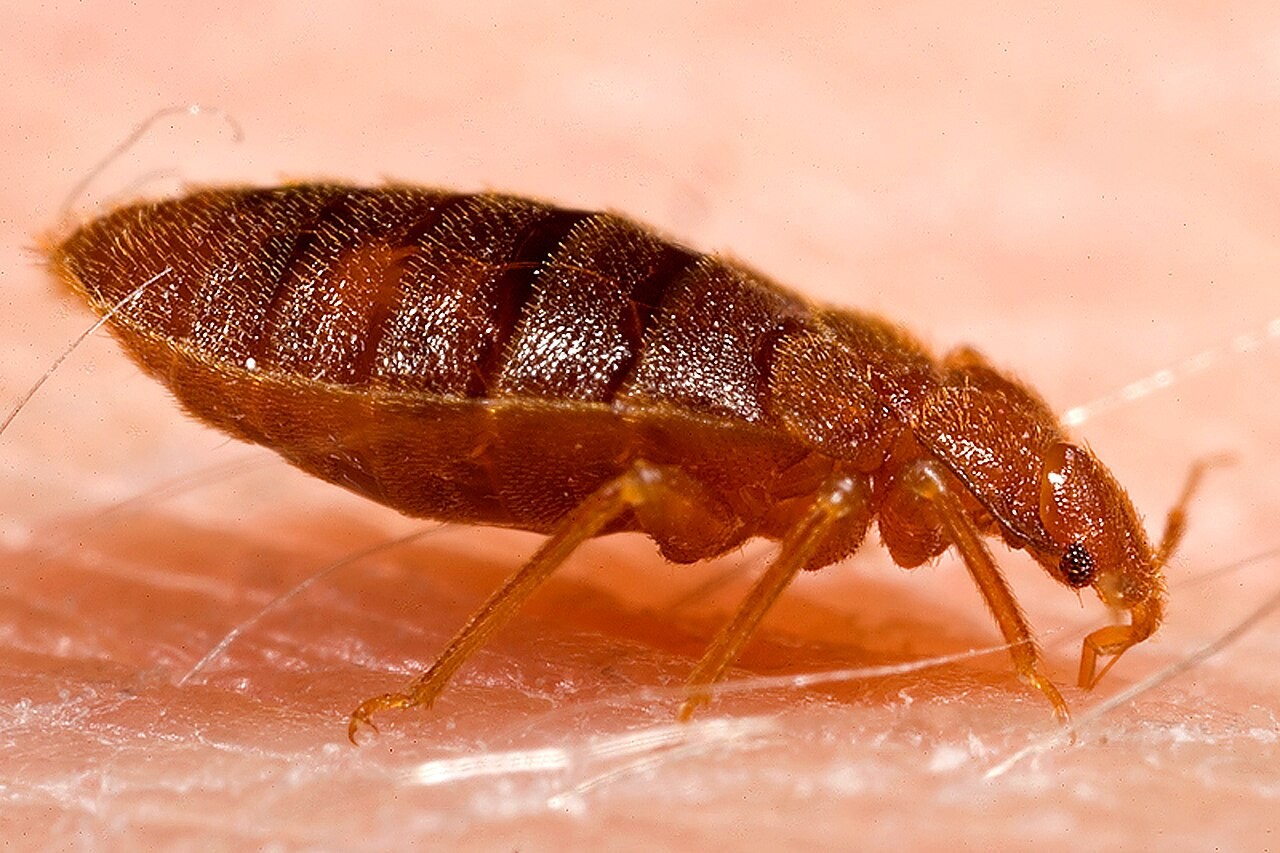
A bed bug treatment case in Bao'an, Shenzhen, reported on 16 November shows why do-it-yourself spraying so often fails. A tenant had stayed at a chain hotel for a week about a month before the bites began, consistent with a hotel-introduced infestation in the early window when treatment cost is lowest. Inspectors following the WS/T 692-2020 monitoring standard found seven faecal traces and two shed skins on a mattress edge, four live nymphs behind the headboard, and eleven adults caught on sticky traps in 24 hours: a moderate infestation centred on the bed system and the wall gap behind the headboard. The client had already spent 1,100 yuan on sprays that barely touched eggs or hidden insects.
The treatment that worked was mechanical and rotational. A 2,000 W steam machine delivered pressurised dry steam at 4.5 bar, with boiler temperature at 180 C and nozzle exit above 100 C, so steam penetrated mattress seams, sockets and wallpaper joints that surface treatment cannot reach. Because the population was likely resistant to pyrethroids, the operator used an agent with a different mode of action, combining a fast-acting adulticide with an oviposition-stage component, and rotated rather than repeating one chemistry. Follow-up at 7-10 days caught newly hatched nymphs, and checks at day 10 and day 30 under the same standard returned zero.
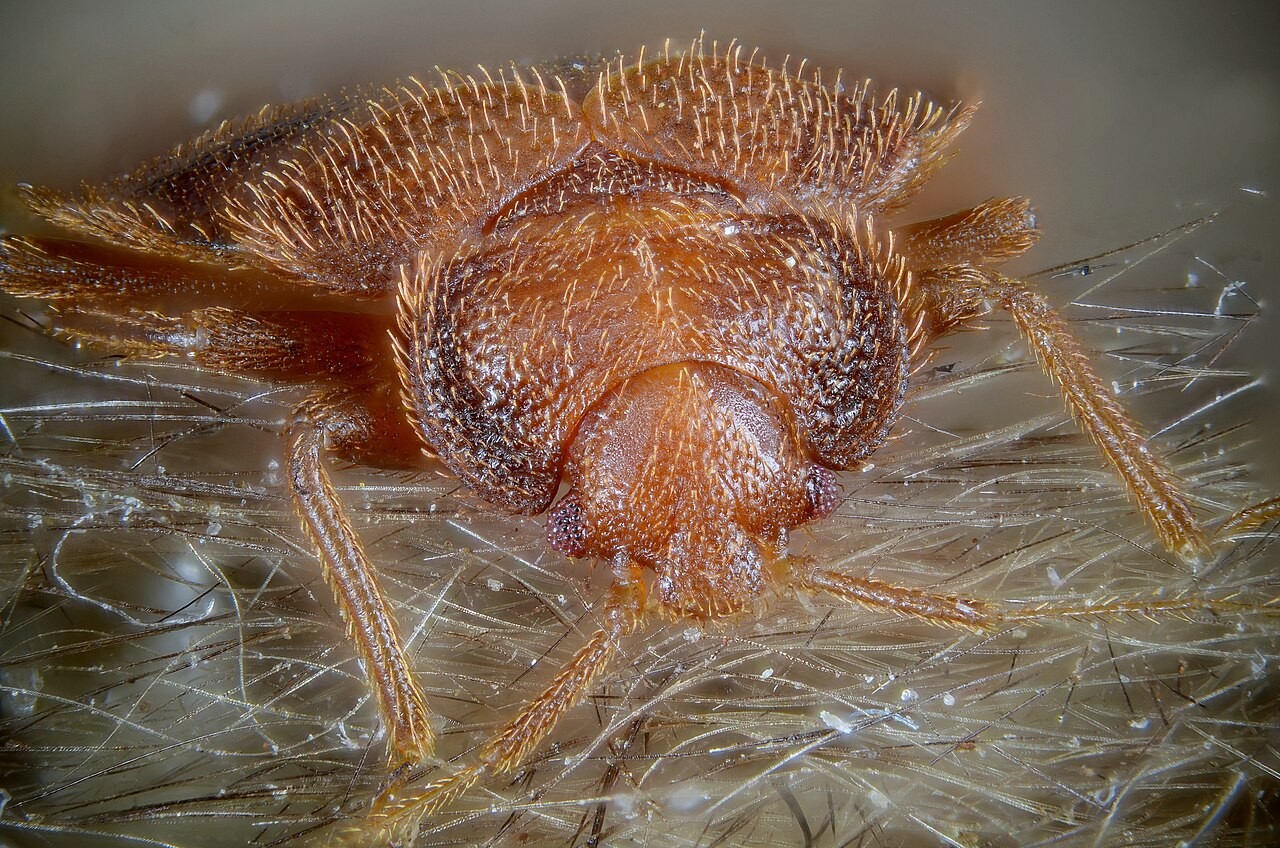
For a facility buyer, the lesson is to specify the process, not a product name. Ask how the treatment boundary is set, how cold spots are monitored, what preparation is required, and what happens if activity is found beyond the original zone. Heat treatment reaches cracks that sprays cannot, but the deliverable is sustained lethal exposure at the hiding places, not a quick temperature spike. Wall-mounted devices from our /insect-repellents/ range can support monitoring at a perimeter, but encasements and interceptors are the audit-friendly tools. Require a written record of product, concentration and revisit dates.
Compliance closes the loop. The U.S. EPA warns that foggers alone are inadequate for bed bugs because insecticides do not reach the narrow cracks where they hide, and moving infested furniture can spread them. In the EU and UK, Biocidal Products Regulation or national approval governs the chemicals, while any electronic device needs CE or UKCA plus RoHS and REACH declarations. For hotels and staff accommodation, train housekeeping to report signs early and avoid accepting used upholstered furniture without inspection. Budget for the professional visit, not for another round of ineffective sprays.