 YouHuiYou Components
Vietnam PCBA Origin Turns on Real Manufacturing, CBP Rules
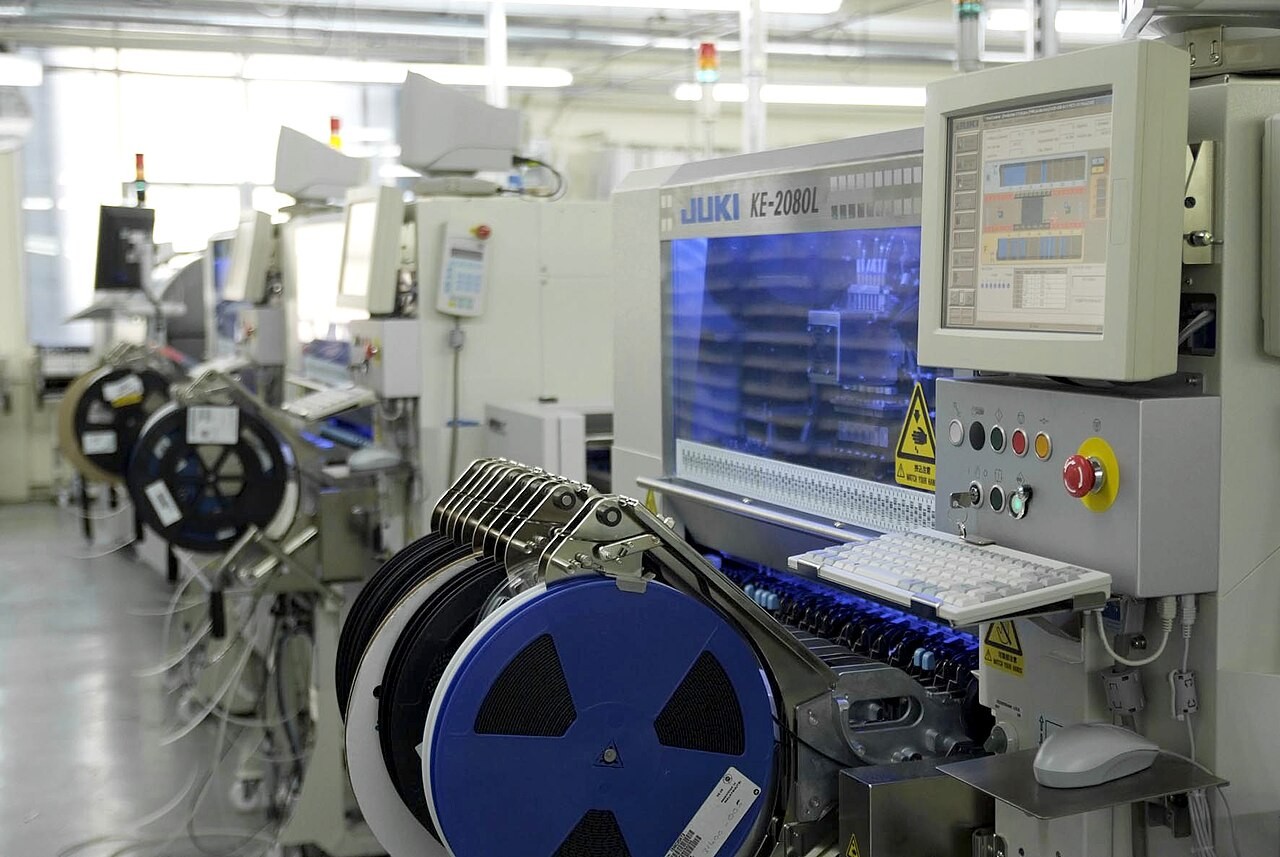
A sourcing analysis checked against USTR and CBP material in October 2026 sets out a rule that electronics buyers often get wrong. Moving final assembly from China to Vietnam or Thailand removes the China Section 301 list duty only if the work there substantially transforms the Chinese parts into a new article with a distinct name, character or use. Screwing Chinese subassemblies into a housing generally does not qualify; building or programming the part that gives the product its function often does. Even when origin changes, the goods are not duty-free: since October 2026 Vietnam and Thailand pay the 12.5 per cent forced-labour Section 301 duty, the same rate Chinese goods pay under that action.
The CBP decisions make the test concrete. In HQ H342833, a motor was held to be of Thailand because the rotor core was stamped and pressed there, the rotor built and magnetised, a local bracket fitted, and the unit tested and packed. In HQ H350894 a PTZ camera was held to be of Taiwan: although the microphone board and firmware source came from China, six boards including the main PCBA were surface-mounted there, the lens module assembled there, and the firmware burned and the camera calibrated there. HQ H344638 reached the same result for a 65-inch conferencing panel. By contrast, in HQ H338116 and H345749, GNSS receivers merely fastened together in Thailand from boards built and programmed in the United States stayed US products - the local work was simple assembly.
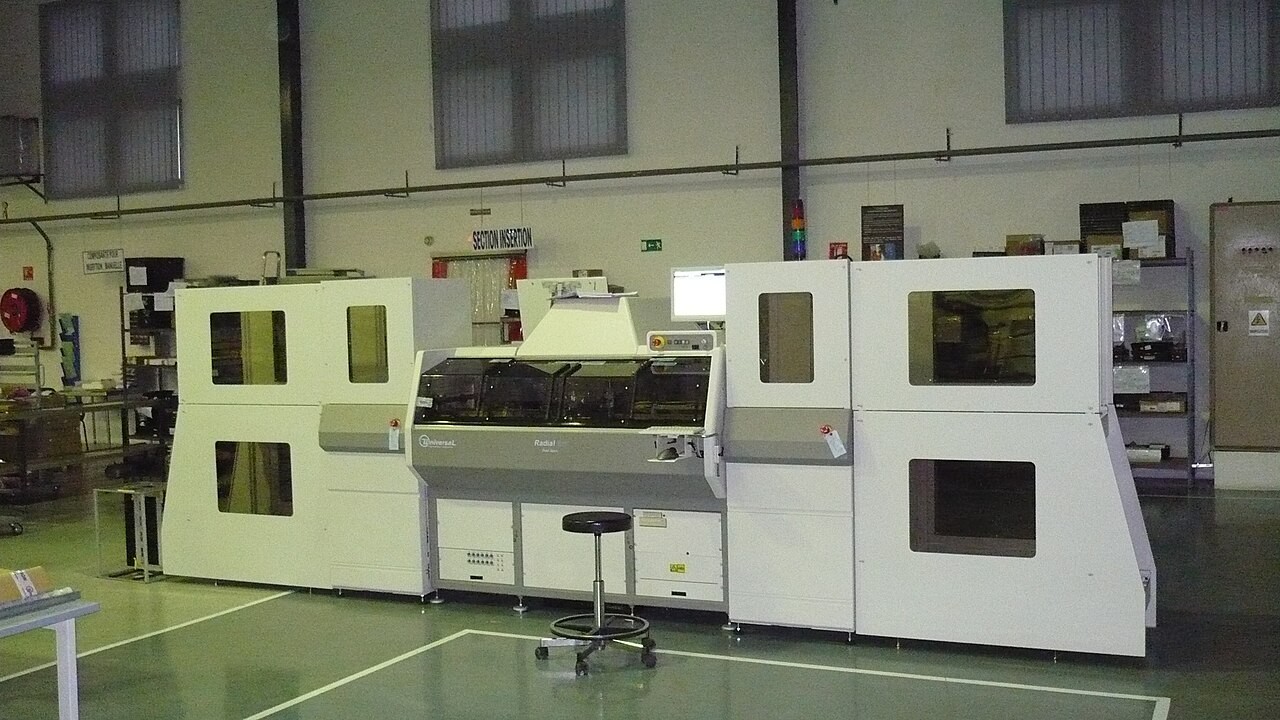
For a procurement team the working question is short: which component makes the product do what it does, where is that component made, and where is it programmed? In electronics the answer is usually the main PCBA and its firmware. A relocation plan that only moves screwdrivers leaves both the origin and the duty exposure unchanged. Require the supplier to document the process steps in the new country, the bill of materials by origin of value, and where programming and final test occur, then check the result against the specific tariff heading.
Cost modelling has to match that reality. Effective stacked duties in 2026 run near 57.6 per cent on Chinese goods, about 30 per cent or more on Vietnamese goods and roughly zero for USMCA-compliant Mexican goods, while the domestic-versus-offshore total-cost gap has narrowed to 15-30 per cent. That makes a SKU-by-SKU matrix more useful than a country slogan, and a hybrid model - components offshore, higher-value assembly nearer the market - the default for many mid-volume products. Our /pcba-products/ service can support consigned or turnkey builds, but the origin analysis sits with the buyer: keep ACE filings, USMCA paperwork and Scope 3 data ready, and remember that the July 2026 USMCA review may tighten rules on Chinese inputs.