 YouHuiYou Components
Indian EMS Ramps SMT Lines as Utilisation Climbs to 45%
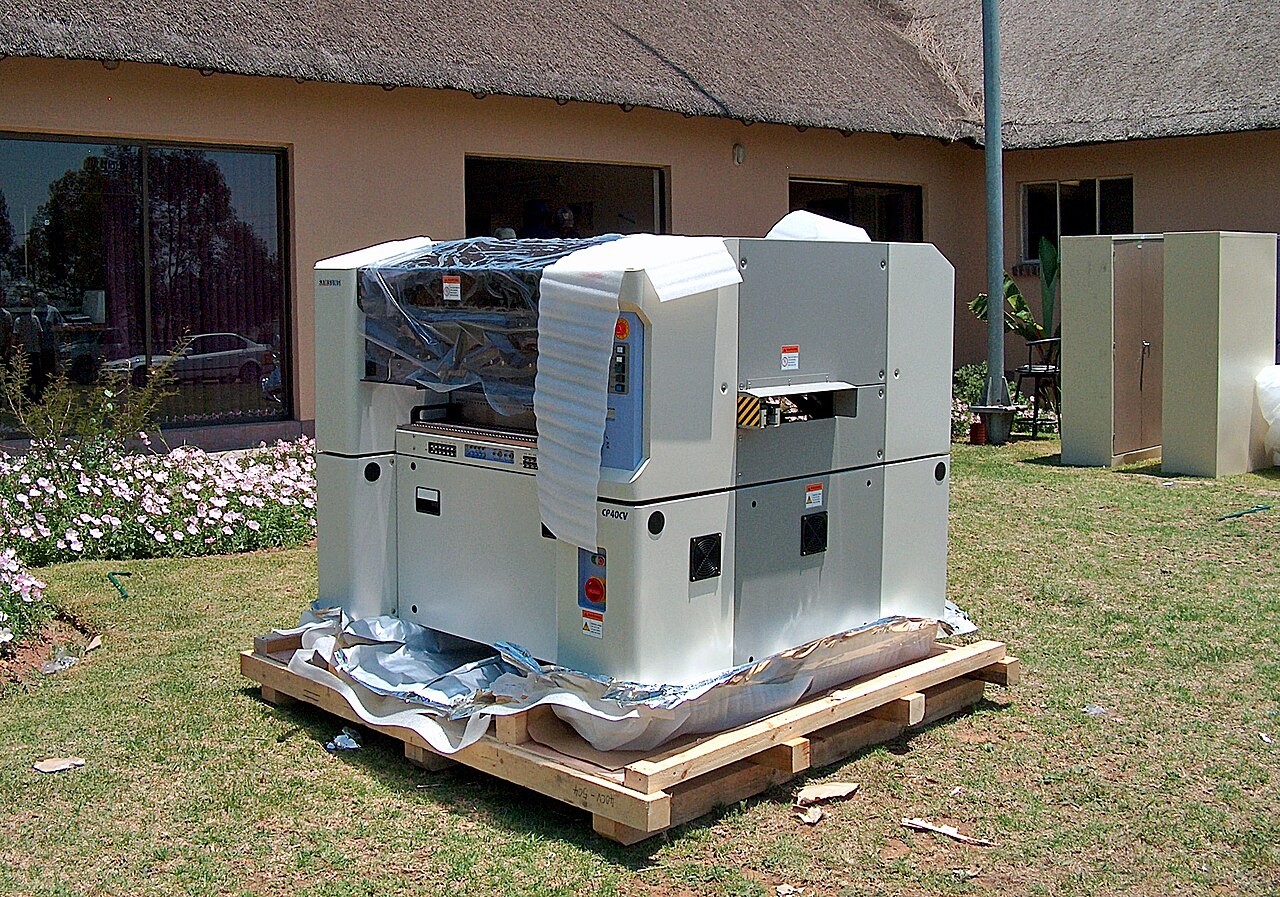
TVS Electronics said this month that utilisation of its electronics manufacturing services line has risen from 30-35% to 40-45%, and that it will consider a second surface-mount technology line only once the first exceeds 70-80%. Management said that threshold could be reached within two to four quarters. The company currently serves two EMS customers, has not disclosed their names or order values, and identified industrial engineering, power electronics and consumer electronics as sectors in its pipeline. The statement is directional, not a committed expansion, and it is a useful window into how a contract manufacturer decides when to add capacity.
For a buyer, the utilisation figure is a capacity signal worth reading carefully. A line at 40-45% has room for new work and may price aggressively to fill it; a line above 80% is a constraint and a lead-time risk. Ask a prospective partner what its current utilisation is, how many shifts it runs, and what the trigger and lead time are for a second line - a supplier that invests on demand rather than on a fixed timetable can scale with you, but only if your forecast is visible enough to justify the spend. The same disclosure gap that marked the TVS call - no revenue, volumes or named customers - is what you should try to close in your own due diligence.
Capacity is only half the question. Define inspection explicitly in the agreement: solder paste inspection for deposits, automated optical inspection for visible placement faults, X-ray for hidden BGA joints, and a functional test tied to your own pass/fail limits. Ask for design-for-manufacture and design-for-assembly feedback at the stack-up and panel stage, and require a documented route from a non-conforming lot to disposition. Our /pcba-products/ page sets out the assembly options, but a supplier's answers on process control matter more than its equipment list. A line running at 45% with poor APC is a worse choice than a busy one with tight controls.
The wider context is India's push to localise assembly. Syrma SGS notes heavy import reliance on bare boards, capacitors and connectors, and skilled-labour shortages in SMT and quality engineering, even as policy support and lower US tariffs improve export economics. Keep RoHS and REACH declarations current, apply IPC acceptance criteria appropriate to the product, and document country of origin for any export order. Choose the partner that can show line utilisation, inspection data and a clear expansion trigger, not the one that simply promises capacity.