 YouHuiYou Components
41-Gram AI Glasses Push HDI Assembly to New Limits
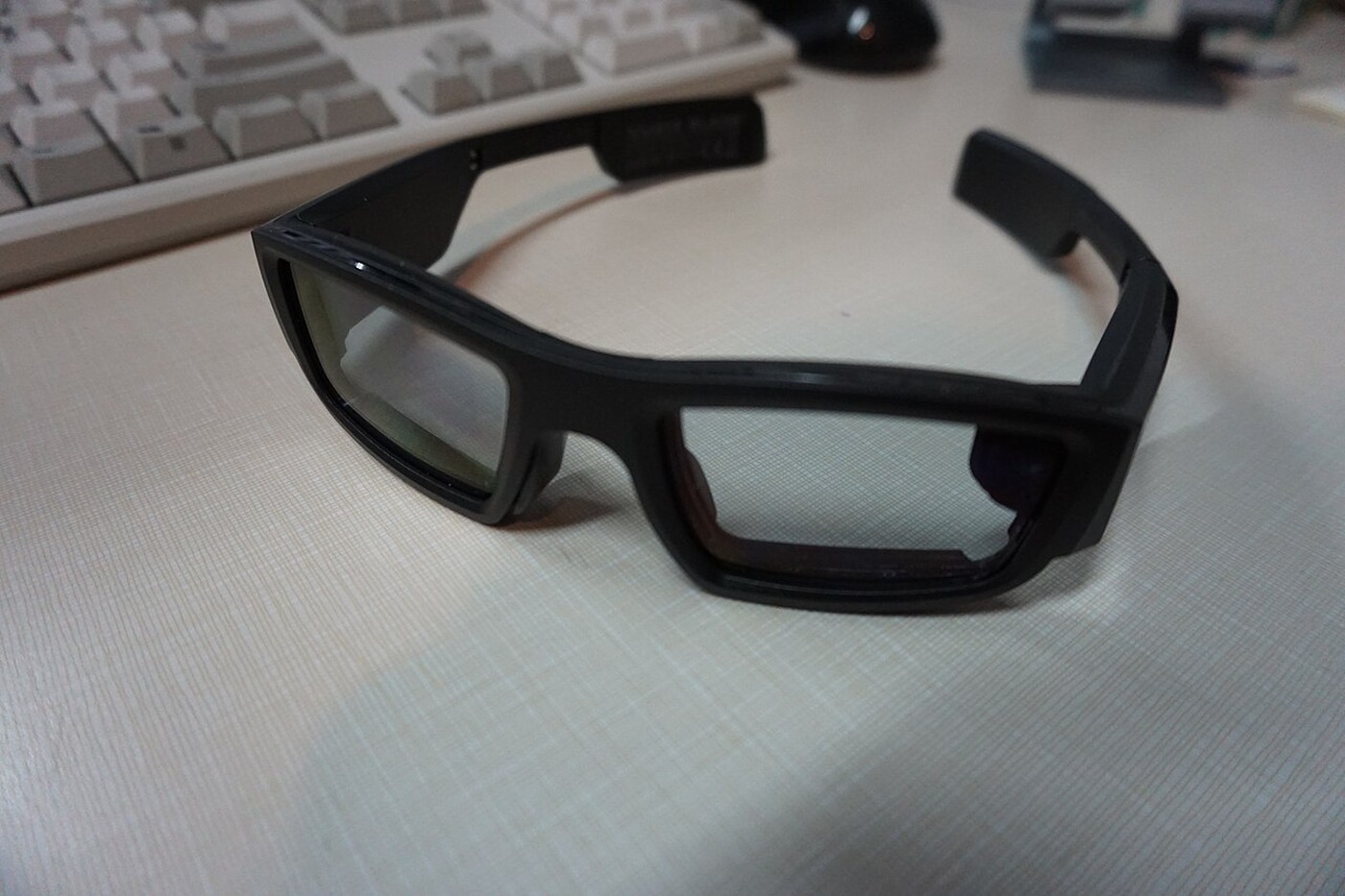
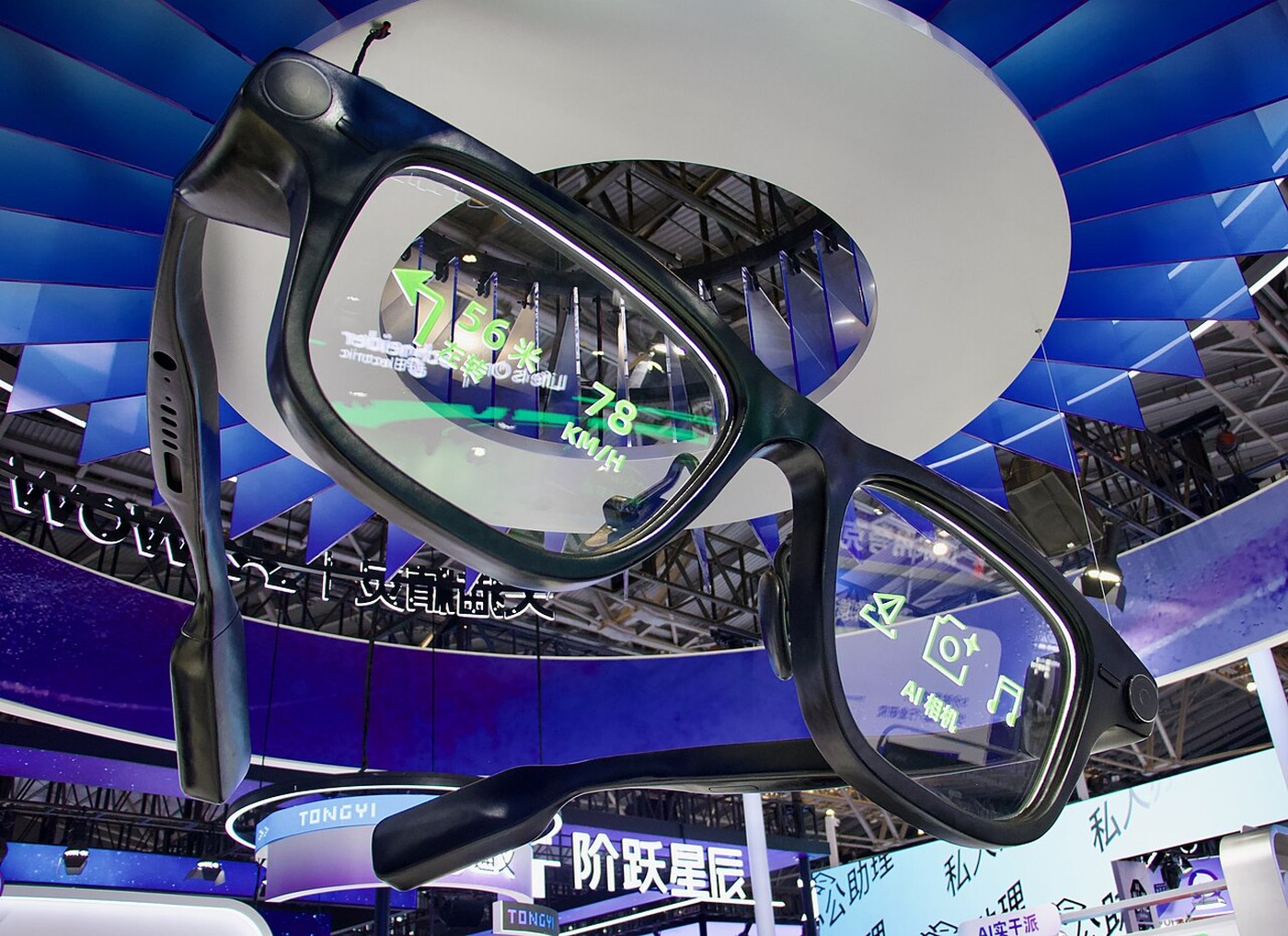
Samsung opened preorders in Korea and the United States on 12 November for an AI eyewear product that sold out within hours and is due on shelves on 10 December. The device weighs just 41 grams, about nine grams less than a rival, with nine hours of battery life and 64GB of storage on a Snapdragon AR1 Gen 1 platform. For anyone who buys PCBA assembly, the interesting part is what that density does to the board inside.
Cramming more function into a tiny frame pushes HDI to its limits: any-layer microvias, laser drills around 75-100 micrometres, stacked or staggered via reliability, and 01005-class components. Flex-rigid or metal-core sections handle bending zones and heat paths. On the line this demands high-precision placement, solder-paste inspection, AOI and X-ray for hidden joints, plus stencil and reflow profiles tuned for fine pitch. A defect that is tolerable on a large board is fatal when there is no room to rework.
For a buyer, evaluate an assembly partner on five things: material availability, assembly yield, test coverage, capacity and change control. Run a pilot build and first-article verification before releasing volume, so process issues surface on a small batch. Flag complex multilayer boards, fine-pitch parts and special materials early. The /pcba-products/ overview sets out SMT, inspection and test capabilities; require a DFM report and manufacturability data before committing tooling.
Compliance is denser for wearables. Wireless functions bring FCC and CE RED, RoHS and REACH apply to materials, UKCA covers the UK market, and batteries need UN38.3 and IEC 62133 testing; health or medical features can trigger ISO 13485. During ramp-up, lock test coverage and process-change notices so an unannounced material swap cannot quietly move yield. The lesson from this product is that miniaturisation is a supply-chain discipline as much as an engineering one.