 YouHuiYou Components
PCB Shortage Hits Canon Medical Imaging, Lead Times to 2028

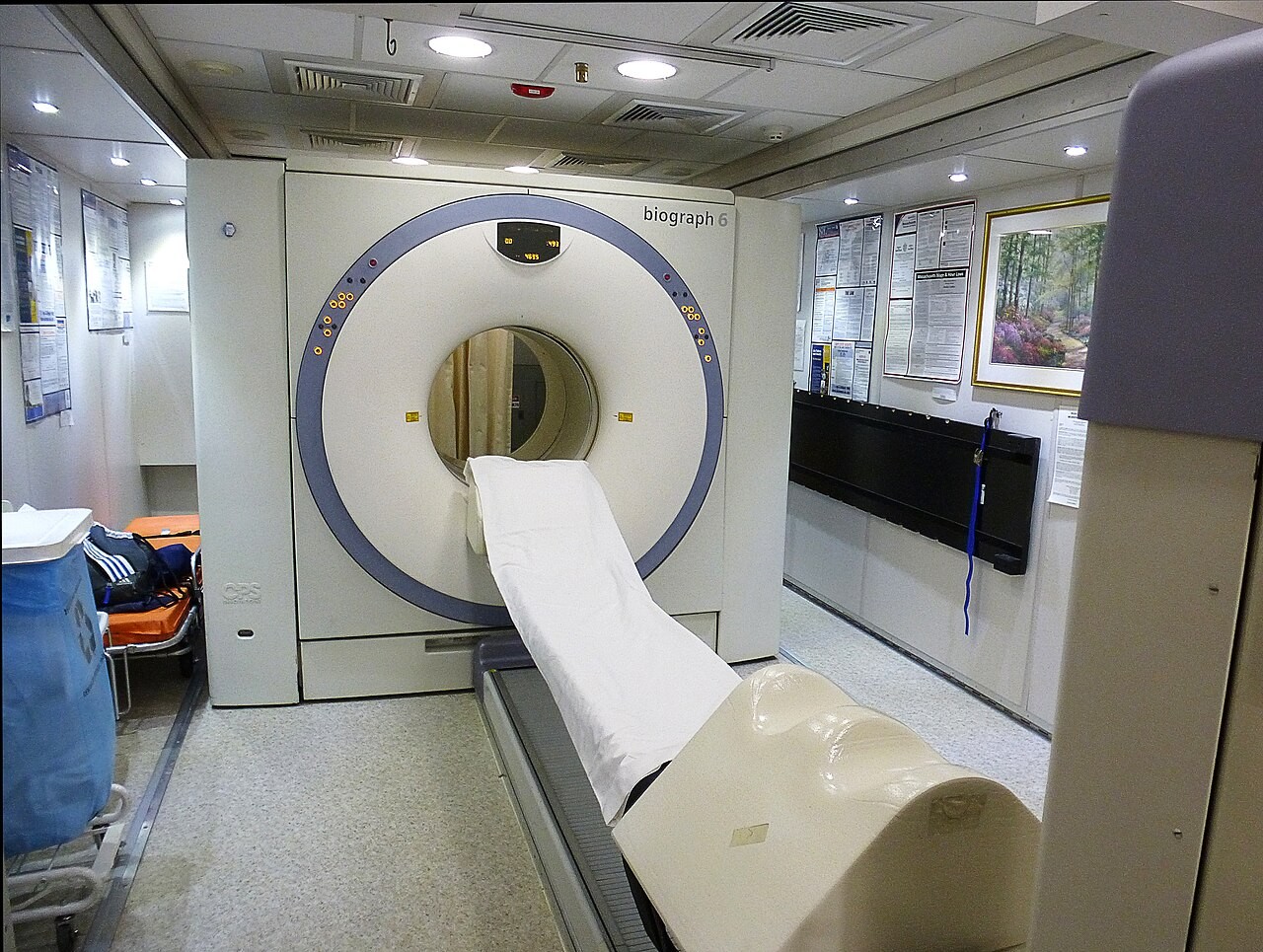
The printed circuit board shortage has reached well beyond data centres. Canon said in late October that it had been unable to procure the boards and electronic components it had planned for since August, with the impact falling on its medical imaging business, including X-ray and MRI systems. The company doubled its estimate of the negative effect on annual sales to about 90 billion yen, pushed its expected recovery to 2027 and warned that camera and printer prices are likely to rise next year. The detail was reported on 19 November alongside a formal industry alert from the Global Electronics Association, formerly IPC.
The alert frames availability, not price, as the main risk. North American PCB bookings rose 56.1% in the first nine months of 2026 while shipments grew 13.3%, and lead times for high-layer boards have reached 16 to 20 weeks or more. A personal-computer board has about 12 layers; an AI server board now uses 40 to 60 or more, and every extra layer consumes more glass fabric, resin and copper foil. Standard FR-4 laminate now takes six to eight weeks to ship, up from two to three a year ago, while advanced low-loss laminate takes 14 to 18 weeks. Some orders placed after July at a large AI-focused maker cannot be delivered before 2028, and lead times of up to 30 months have been reported.
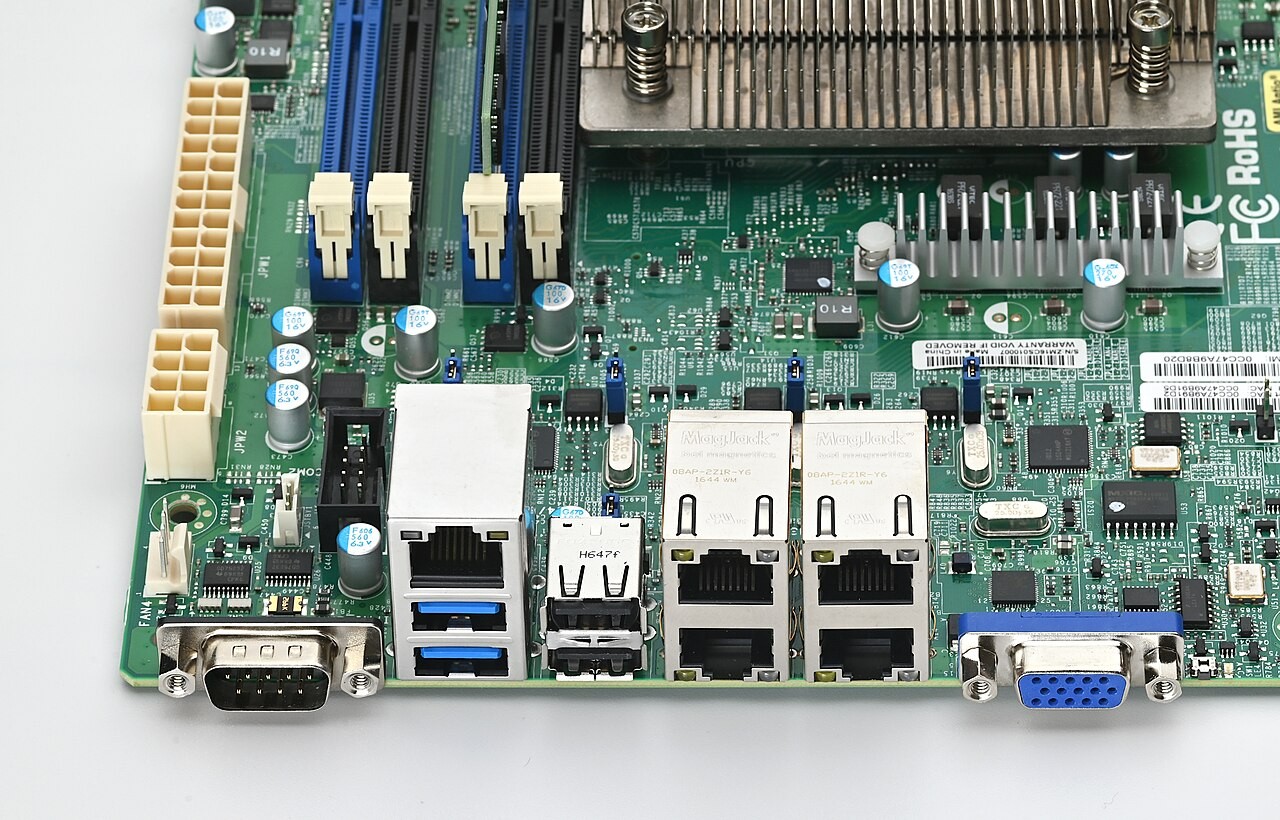
For a buyer in automotive, industrial, medical or defence, the first rule is that added board-shop capacity does not help if the material is queued upstream. Secure a slot with a mill that can show its laminate and copper-foil sourcing, and split material from fabrication on every quote so you can see which part moved. At the design stage, ask for DFM that uses stocked grades for prototypes and upgrades to production grades only when volume is committed, and consolidate revisions into one build where the circuit allows. Our /pcba-products/ page outlines the assembly options, but the purchasing decision starts with an honest read of which layers and materials the design actually needs.
The association advises buyers to plan early, share realistic forecasts and avoid double-booking, and warns against stockpiling beyond real need. Keep IPC-6012 Class 3 acceptance where the product demands it, maintain RoHS and REACH declarations, and require traceability on material lots. With the shortage expected to last through at least the first half of 2027 and meaningful relief unlikely before mid-2028, the winning move is an early material lock and a second qualified board house, not waiting for the next capacity announcement.