 YouHuiYou Components
PCB Costs Up 40% as India Leans on Imports, IPCA Warns
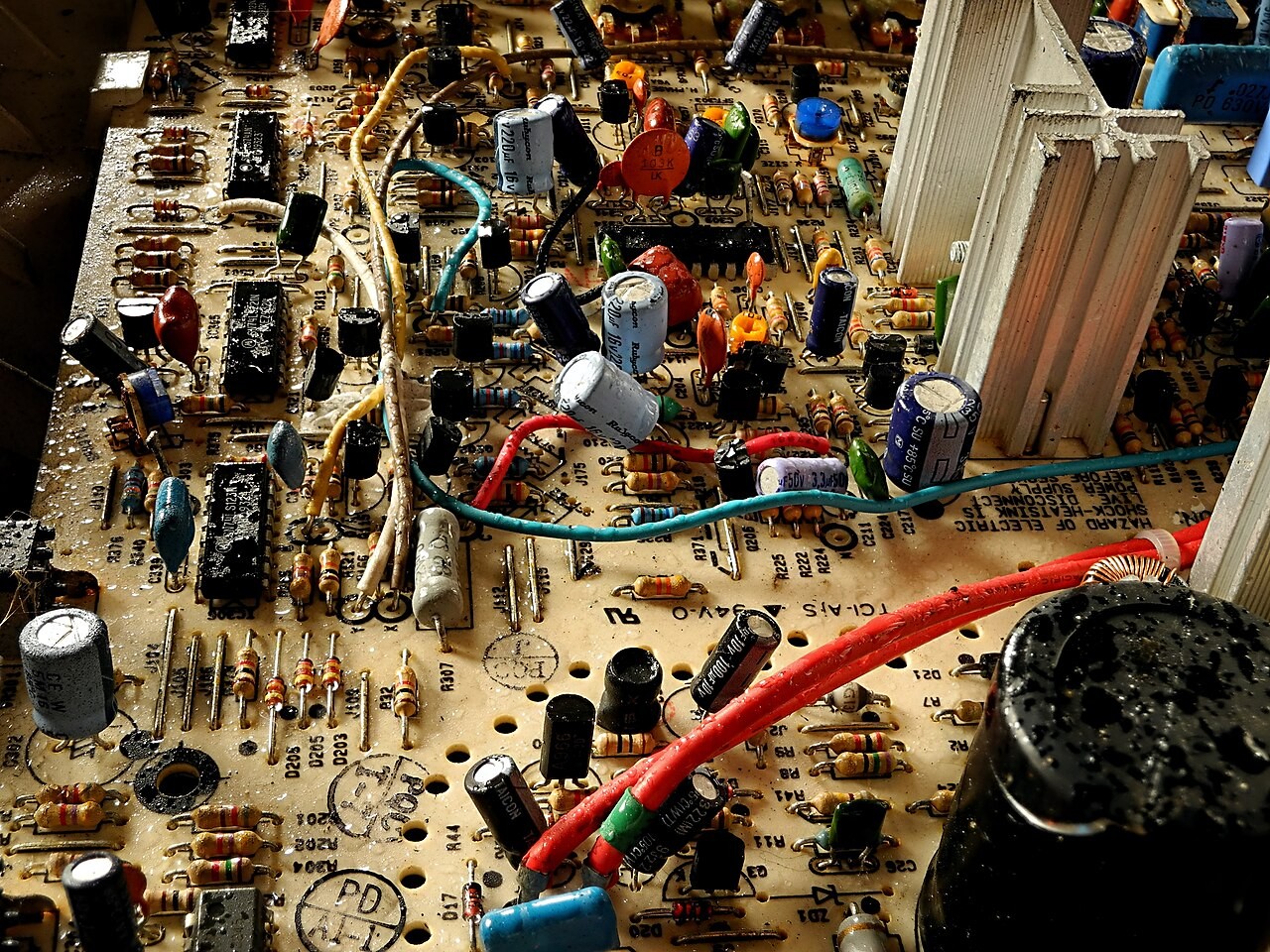
Printed circuit board costs have risen by as much as 40 per cent, squeezing Indian electronics manufacturers and threatening to push up consumer prices, according to comments reported on 20 November. Richard Puthota, senior director at electronics manufacturer MacDermid Alpha, said both copper laminates and resin have climbed steeply, and suppliers are prioritising data centre builders, leaving other manufacturers with lead times as long as 12 weeks. India's PCB demand is about eight billion dollars, but roughly 80 per cent is imported, and China makes about 60 per cent of the world's boards. The shortage that emerged in early 2026 is expected to ease around mid-2027.
The association view is blunt. Rajneesh Garg, president of the Indian Printed Circuit Board Association, said input shortages have pushed some small Indian PCB factories to the edge of closure, with a cascading effect on the price of electronic goods. He is pressing the government to keep anti-dumping duty in place, close circumvention, and bring more PCB inputs under zero duty. On the capacity side, Syrma SGS is building a large PCB plant in Andhra Pradesh with trial production targeted for the fourth quarter of fiscal 2027 and volume in fiscal 2028, and two or three other large domestic additions are expected by end 2027.
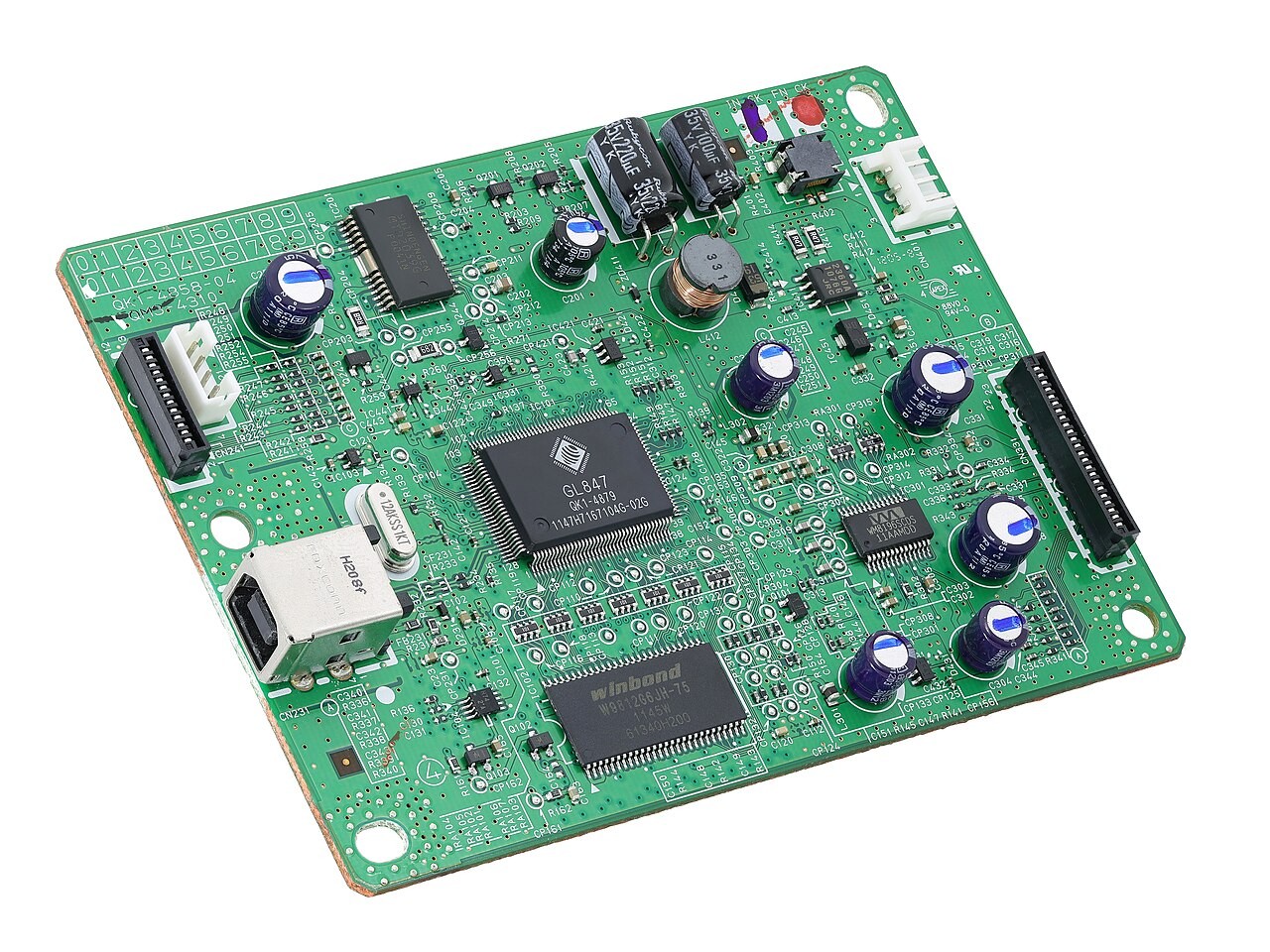
For an Indian buyer, the practical answer is to plan for a two-to-four-quarter supply gap rather than wait for local capacity. Dual-source from more than one country, confirm which inputs are duty-free and which carry anti-dumping duty, and model the landed cost at the same layer count and surface finish rather than on a headline board price. Ask a supplier to show the laminate grade and copper weight behind the quote, because a 10-layer board on a stocked grade is a different cost from the same layer count on low-loss material. Our /pcba-products/ service can support consigned or turnkey builds, but the duty and origin analysis sits with the buyer.
Compliance is part of the cost model. Keep RoHS and REACH declarations on file, require IPC acceptance criteria appropriate to the product, and document country of origin for any export order. Where a government tender or a local-content scheme is involved, check whether imported boards still qualify once duties are applied. The 40 per cent increase is a material and allocation story, not a temporary price spike, so the buyers who lock material and qualify a second source now will be the ones still shipping when the next lead-time quote arrives.