 YouHuiYou Components
224G and CPO Push PCB Materials to M9 and Quartz Cloth
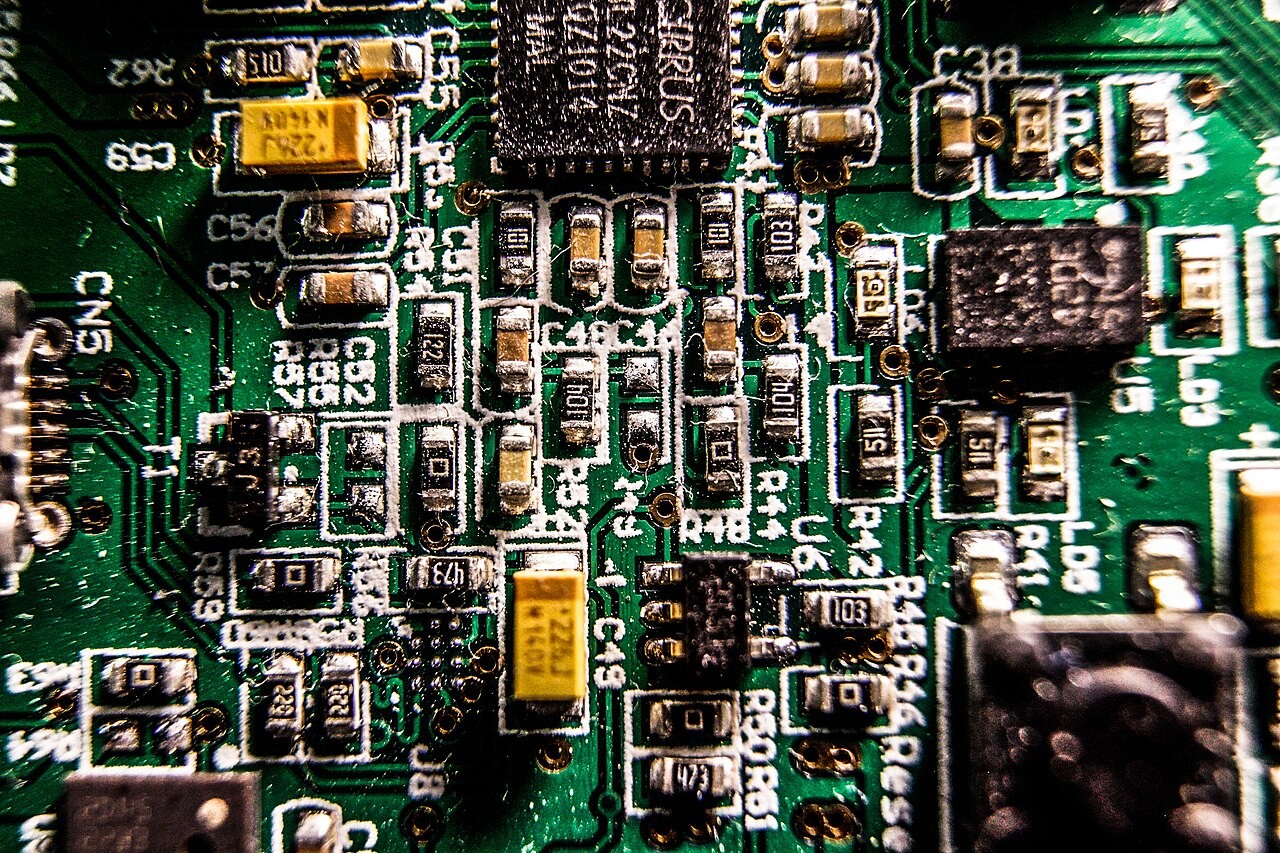
An industry analysis published on 16 November describes how 224G serial lanes - with 448G already in view - are turning the printed circuit board from a trace carrier into the signal-integrity system itself. Material grades are stepping from M7 and M8 toward M9, with next platforms naming M10; reinforcement is moving from ordinary electronic cloth to low-Dk second-generation glass and, at the aggressive end, quartz cloth; copper foil is being pushed from HVLP2/3 to HVLP4/5. The price gradient is steeper than the layer count: taking M2 as one, M6 is a little over twice, M8 more than six times and M9 close to twelve times.
The constraints sit upstream. High-end weaving looms come from a single source and are quoted in years; glass fibre pools run continuously for eight to ten years and this year coincides with a maintenance window; cloth makers are shifting ordinary capacity to AI thin cloth, losing efficiency as they do. HVLP4 and above copper foils are largely long-contract only, with major buyers signing direct agreements, and high-purity PPE resin is concentrated in a single Middle East unit whose maintenance can move global prices. Add mSAP fine-line equipment lead times of more than a year and the expansion ceiling becomes physical, not financial.
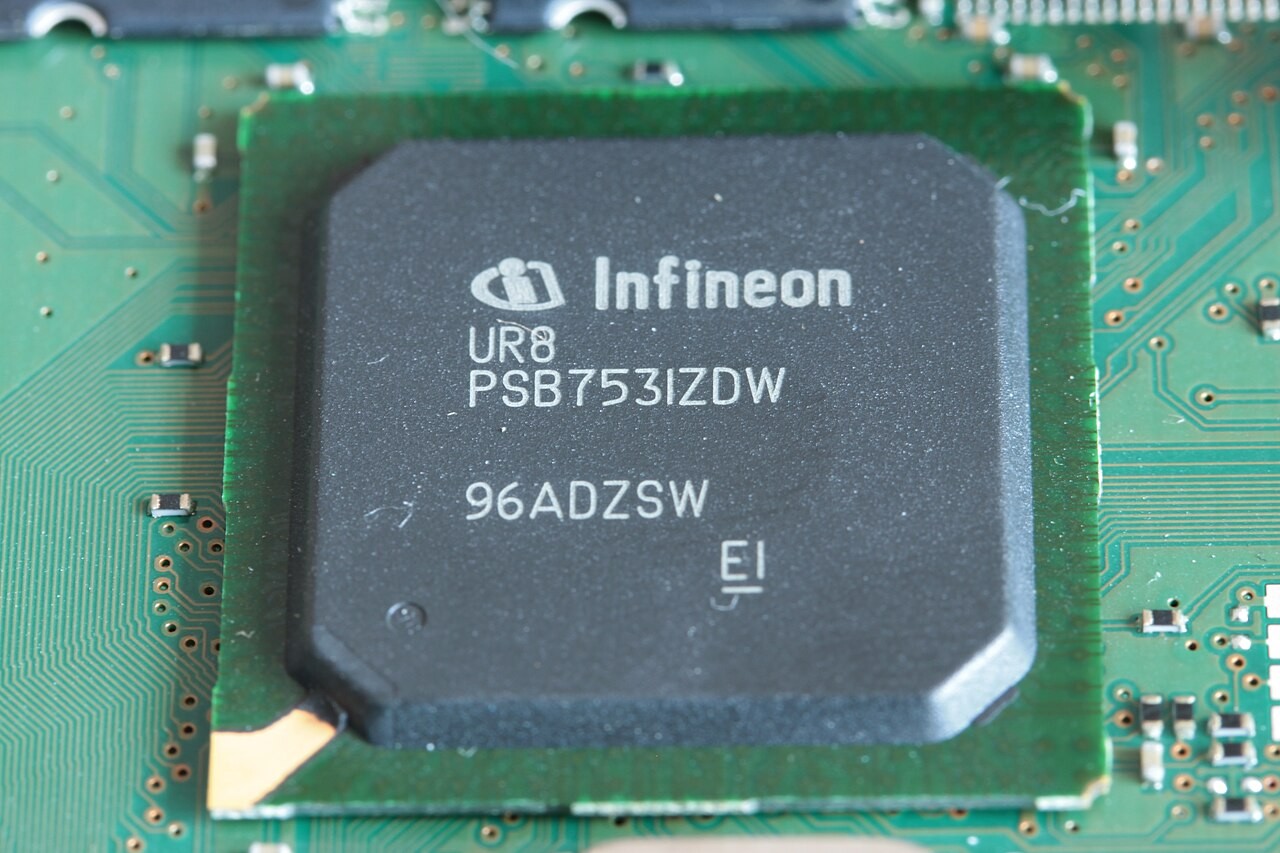
For buyers, the practical point is that a M7 production line cannot physically build a M9 board - this is asset obsolescence, not a willingness problem. Ask a supplier for the stack-up, the Dk and Df values at your operating frequency, controlled-impedance tolerance and insertion-loss data, and confirm which board house and material grade those numbers refer to. As impedance, crosstalk, insertion loss, warp and thermal-expansion windows narrow, the deliverable is increasingly a verified interconnect subsystem, co-designed with optical, packaging and cold-plate teams under CPO. Do not specify M9 by default: a board that does not need the loss budget should not pay for it.
Material lock must come early. With mainstream laminate quotes moving to one or two months instead of half a year, a design frozen around an unavailable grade will be repriced at the next order. Our /pcba-products/ assembly service can help map a stack-up to actual lines, but at the specification stage, engineering and purchasing should agree on grade, copper and surface finish at the same time. Require IPC-6012 Class 3 acceptance where the product demands it, and keep RoHS and REACH declarations on file. The material ladder is real, but so is the discipline of choosing the lowest grade that meets the signal budget.