 YouHuiYou Components
CDC November Vector Alert: Dengue Travel and Mosquito-Proofing
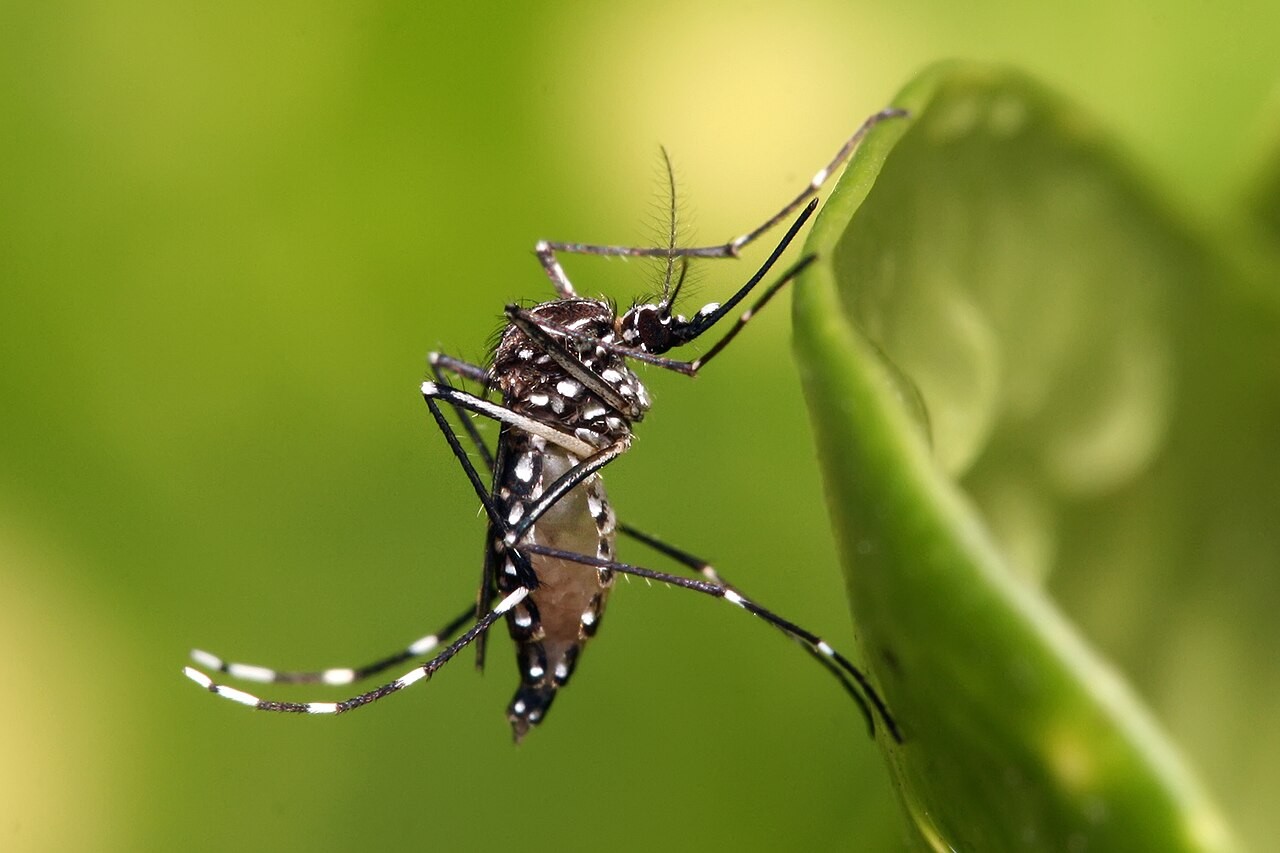
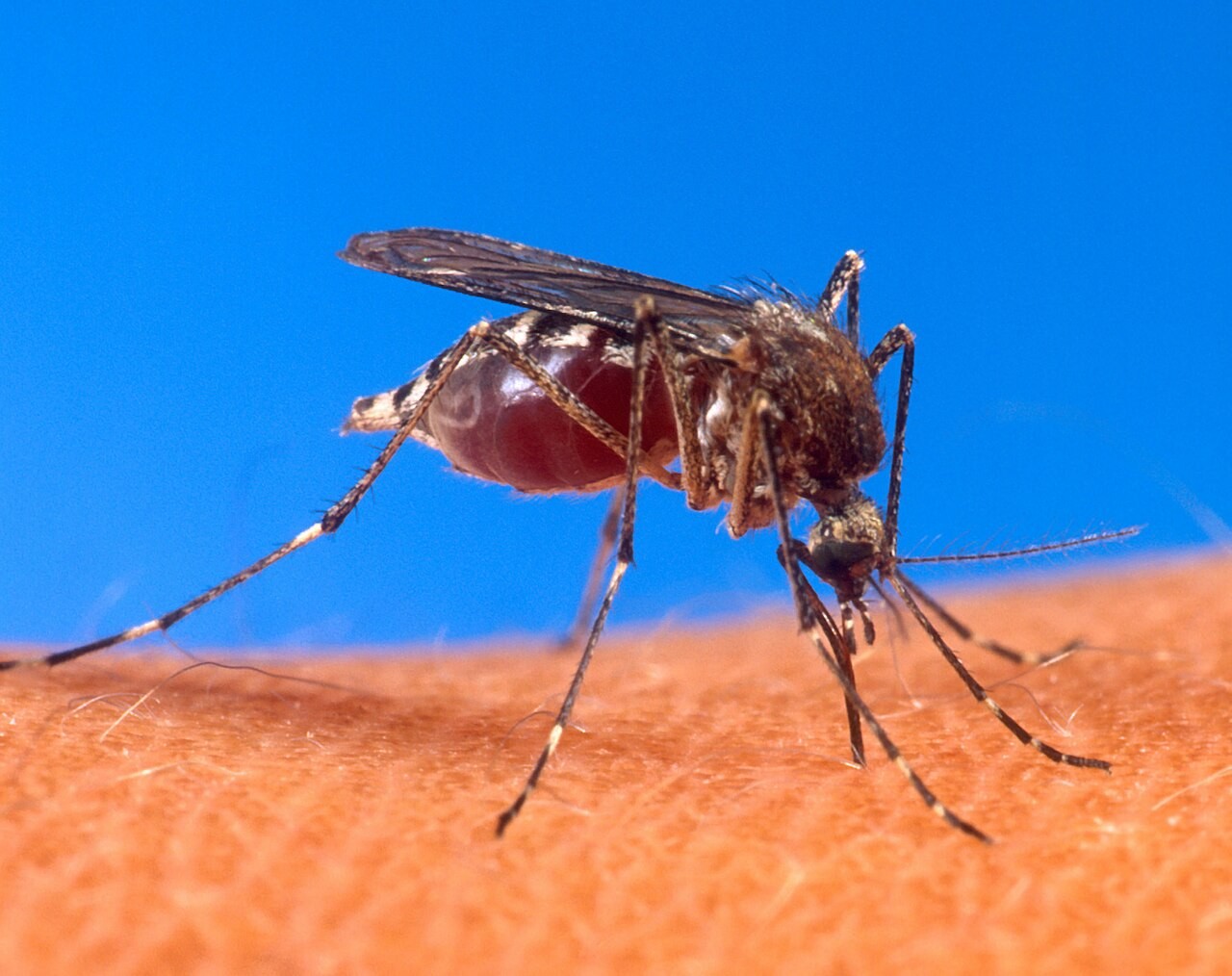
The Xinjiang CDC issued its November 2026 health-risk notice this week, and its vector section is a useful checklist for anyone responsible for staff travel or outdoor sites. It advises people in Aedes areas to wear light-coloured long sleeves and trousers, use government-approved repellents containing DEET, picaridin or IR3535, reapply after sweating, and maintain intact window screens and bed nets. On source reduction it calls for clearing standing water in and around the home, changing water in potted plants every three to five days, covering stored water, and using aerosol sprays, electric swatters or mosquito lamps indoors. It also links February-to-November travel to dengue, chikungunya and Zika and urges early care with a travel history. For employers and facility buyers this is a procurement brief as much as a health notice. The three named active ingredients - DEET, picaridin, IR3535 - are the benchmark to write into a repellent or mosquito-lamp specification; ask the supplier for the registration number and the concentration, not just a brand name. For outdoor yards, patios and worker rest areas, combine personal repellent with source reduction and physical barriers: intact screens, sealed water containers, and larval-site checks on a fixed schedule. Our /insect-repellers/ page covers electric and UV units; note that BBC-style claims aside, a lamp is a supplement to, not a substitute for, removing breeding water. Frame the programme around season and compliance. In the U.S., insect-repellent devices and any pesticide claim fall under EPA registration and FIFRA; emitter electronics need FCC SDoC. In the EU and UK, check CE/UKCA plus RoHS and REACH for the hardware and the Biocidal Products Regulation for any treated surface. During a vector season, pre-position consumables and replacement lamps before demand spikes, and keep a dated log of larval-site inspections - that record is what satisfies an auditor or a duty-of-care review. For travelling staff, pair the kit with a clear policy on DEET concentration by age and a return-within-14-days symptom check, exactly as the notice recommends.