 YouHuiYou Components
Italy Logs 76 Local Dengue Cases as Aedes Season Extends
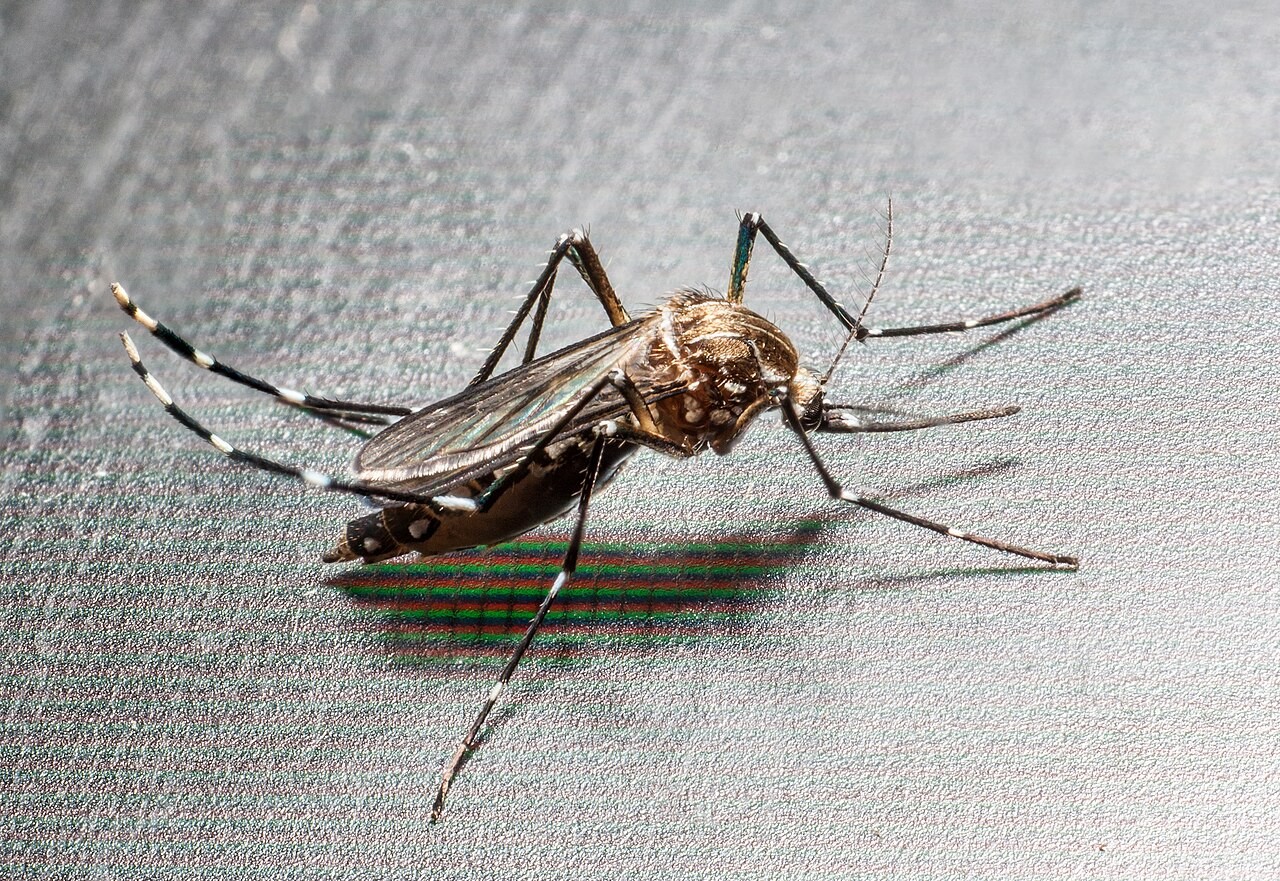
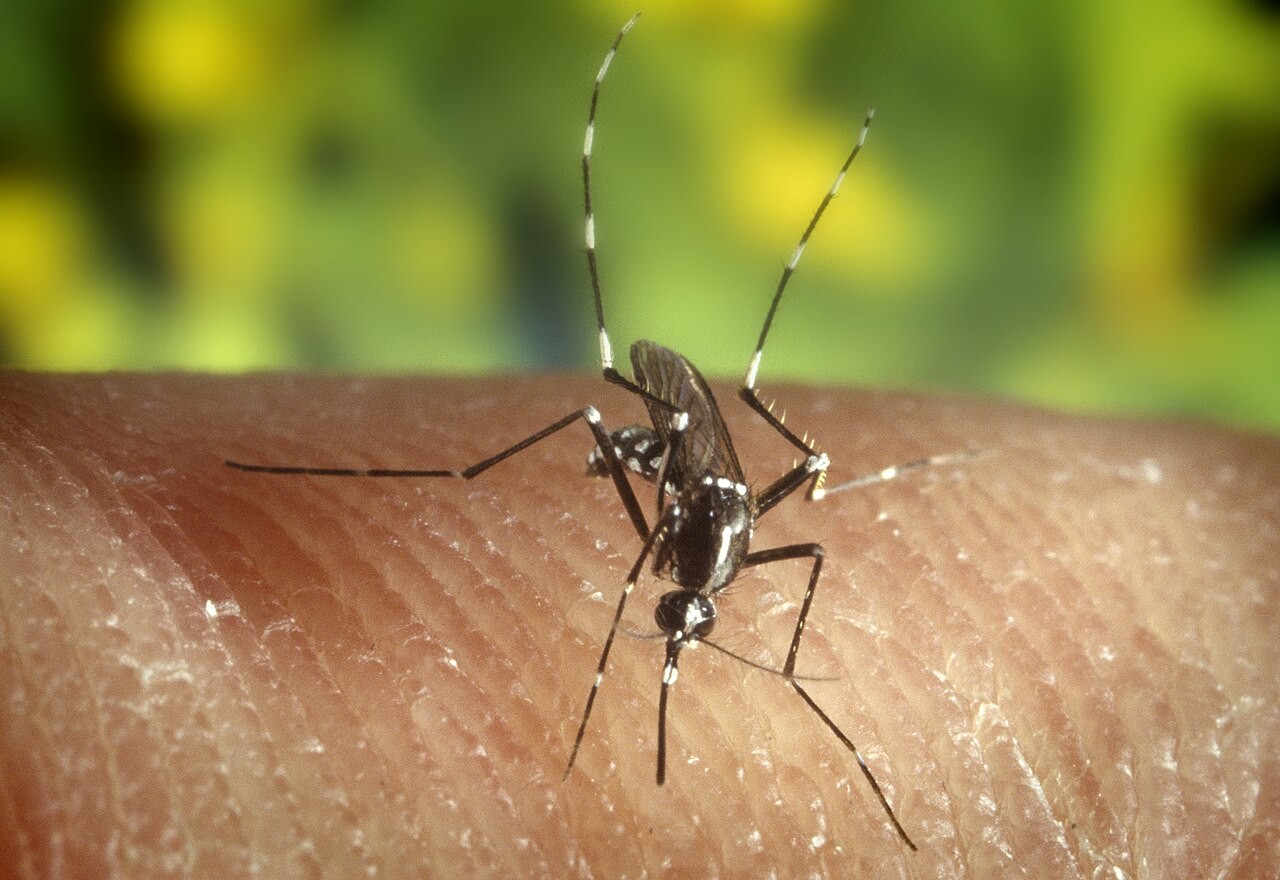
Italy recorded 76 locally acquired dengue cases between the start of 2026 and 11 November, the only EU country reporting local transmission this year, according to a WHO-sourced travel health update dated 20 November. Italy also reported a single locally acquired chikungunya case in Rome, a businessman infected by Aedes albopictus on 22 August with no second-generation spread; the cluster has been closed. The update is a reminder that Aedes activity is running beyond the classic summer window in southern Europe, which changes how distributors and institutions should plan stock.
The broader load reinforces the point. Brazil had logged 141,461 chikungunya cases by 18 November, the heaviest in the Americas, and Bangladesh reported 165,644 dengue hospitalisations and 507 deaths by 17 November, with the WHO. China's Center for Disease Control and Prevention issued its November health advisory listing dengue, chikungunya and Zika as mosquito-borne risks, advising long sleeves, screens and intact bed nets, plus repellents containing DEET, picaridin or IR3535, and regular clearing of standing water. The message is consistent across sources: source reduction plus a registered repellent, not fogging alone.
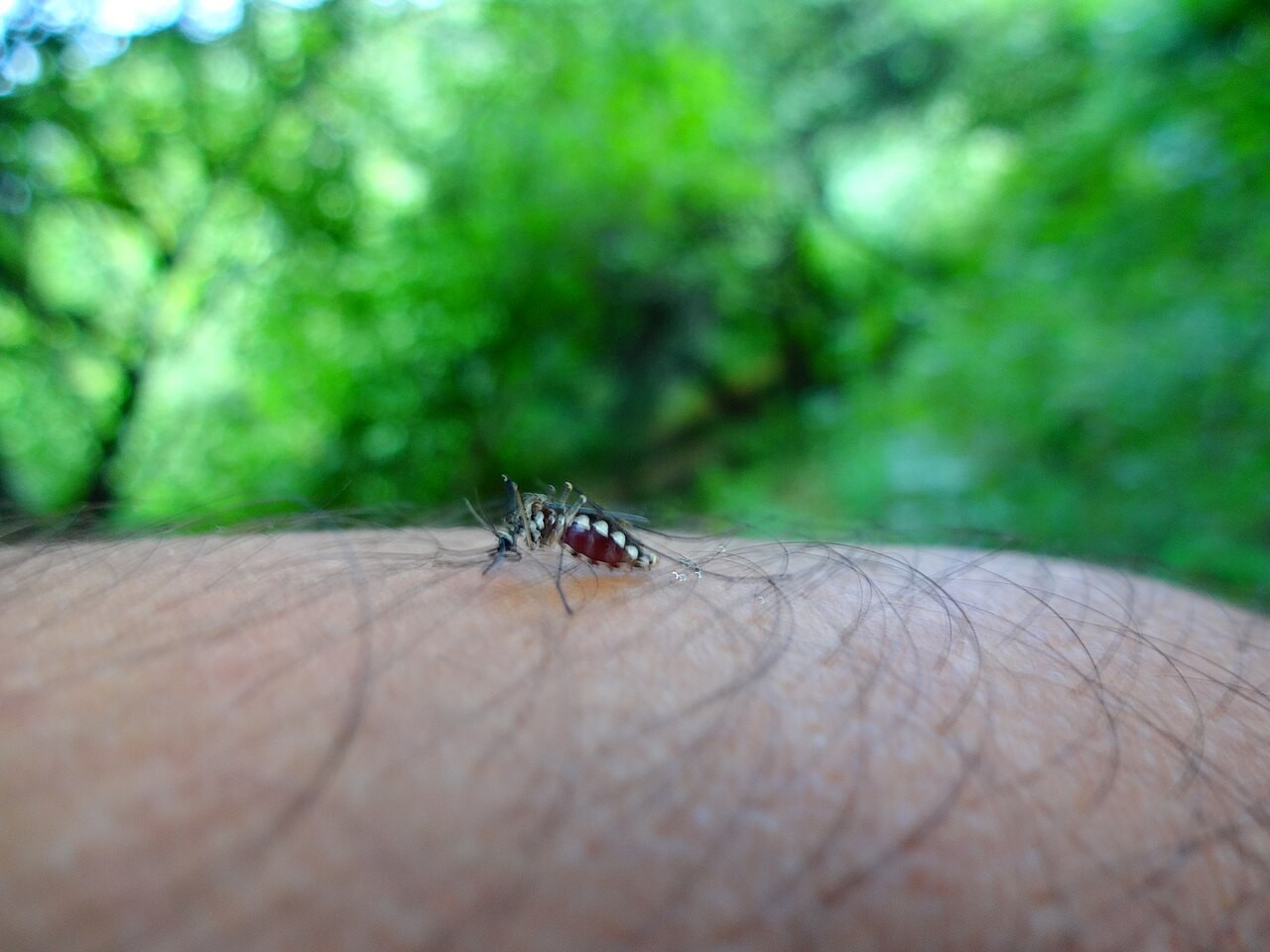
For buyers of mosquito control products, the first response is to stop treating the season as a fixed block. In markets where Aedes now runs into November, build a demand plan covering most of the year and place a second replenishment before the historical peak. Keep a qualified stock of larvicide, adulticide and personal repellent for short-notice public tenders, and match the label and registration to the destination: EPA registration in the United States, national biocidal approval in the EU under the BPR, and local registration elsewhere. Any claim such as repels for eight hours needs test data behind it. Our /insect-repellers/ range covers outdoor and indoor devices for gardens and patios.
Sell an electronic unit as a comfort product alongside the basics, not as a disease-control measure, and document the certification you hold. Keep batch traceability for tender buyers, and teach customers to clear water containers every three to five days and cover storage. Fogging kills adults; removing breeding sites stops the next generation. The Italian and Brazilian numbers show why both are needed and why demand no longer ends with the first frost.