 YouHuiYou Components
West Kalimantan Logs 1,230 Chikungunya Cases as Aedes Spreads
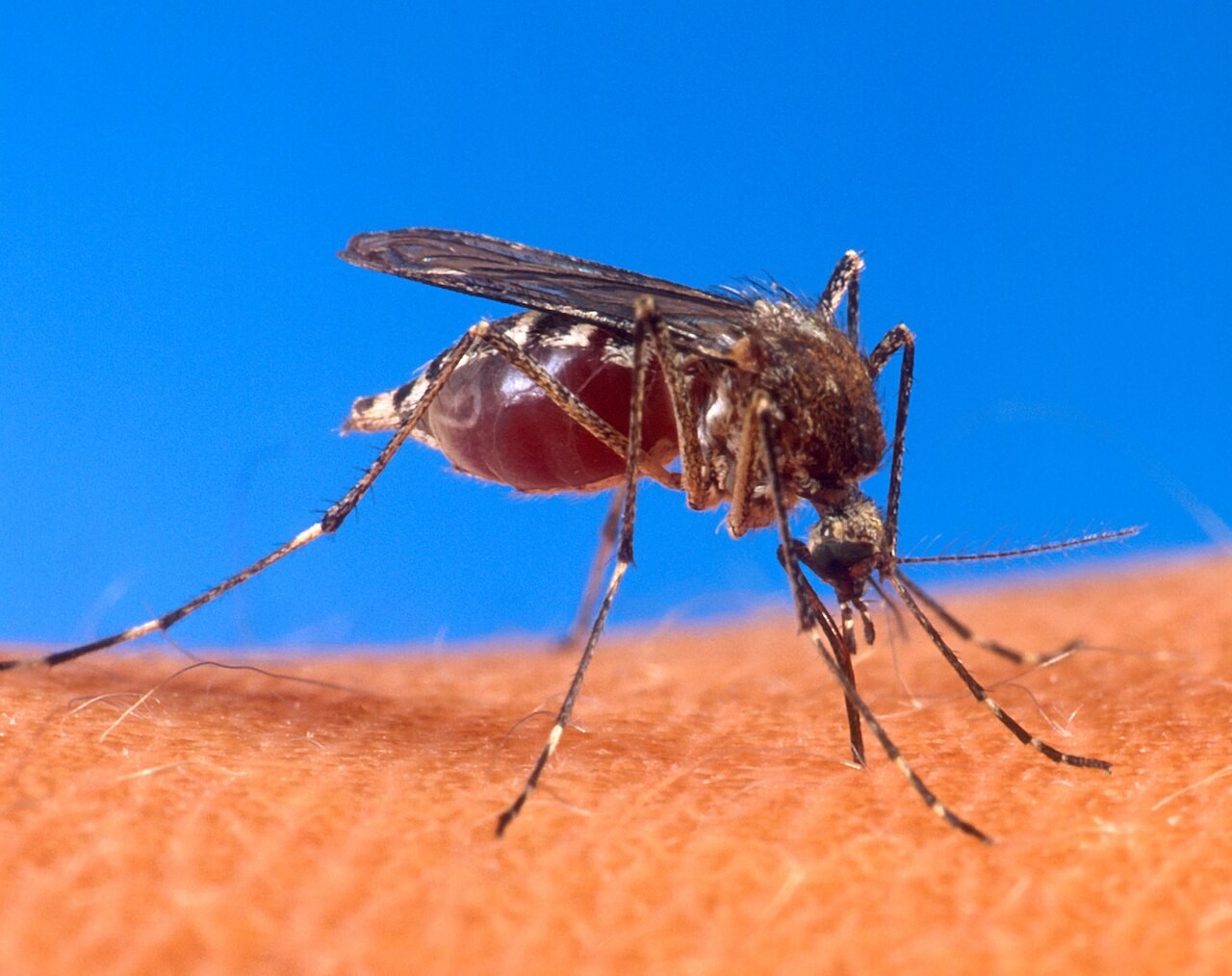
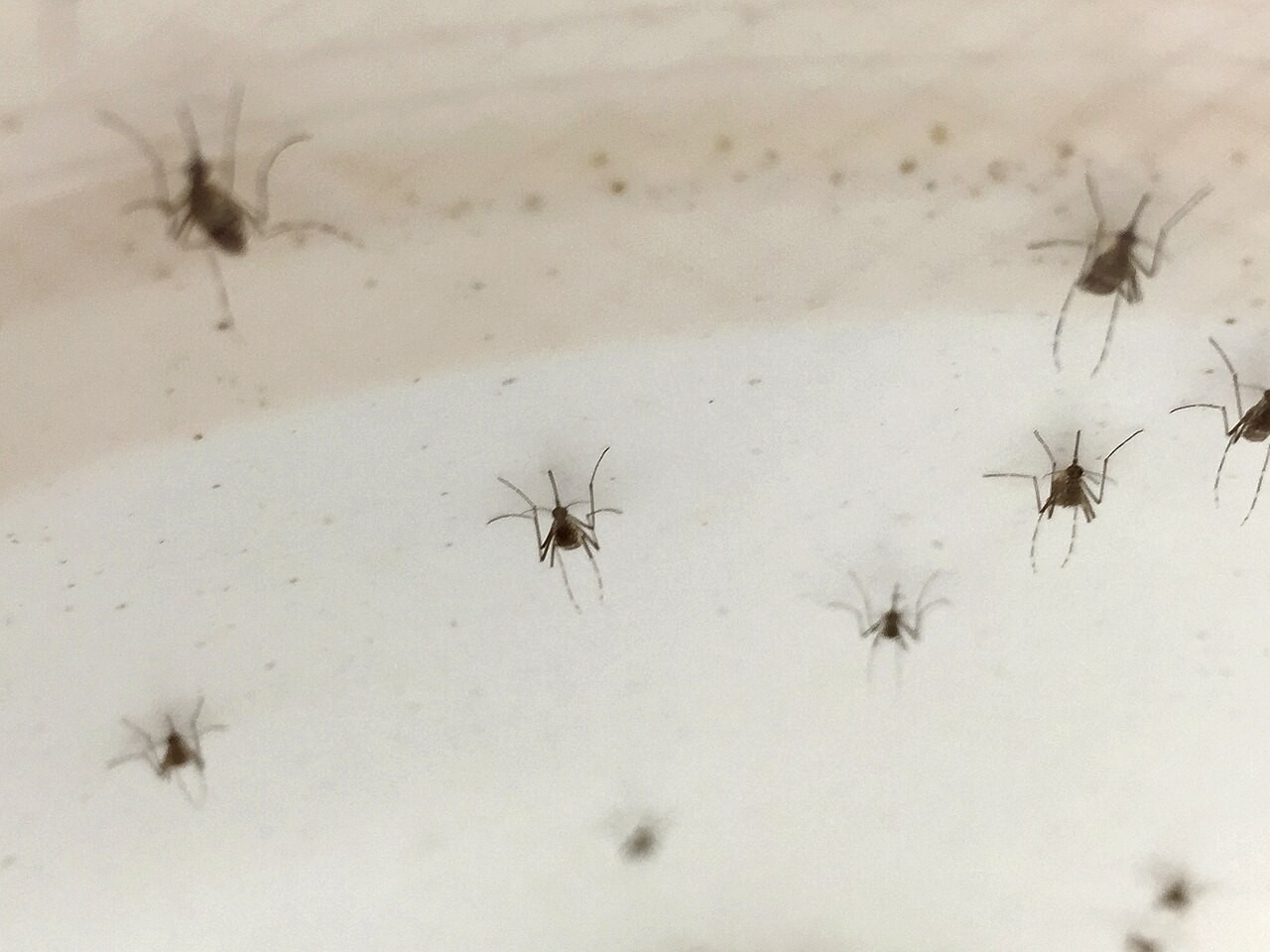
West Kalimantan recorded 1,230 reported chikungunya cases through the 46th epidemiological week of 2026, prompting provincial health authorities to urge residents to remove mosquito breeding sites. The total comprised 1,179 clinically diagnosed or suspected cases and 51 laboratory-confirmed infections, the provincial health office said on 17 November. The disease spreads mainly through Aedes aegypti and Aedes albopictum mosquitoes, which also transmit dengue and are most active during daylight hours, according to the World Health Organization.
The regional picture reinforces the point. ECDC recorded 271,223 chikungunya cases and 113 associated deaths in 26 countries outside the EU and EEA through 30 September. The Philippines reported 1,533 cases through 24 October, 89 per cent above the same period in 2025, and Nicaragua reported 341 diagnoses in the week ending 7 November. Global dengue totals had passed 2.5 million cases and 1,000 deaths by October. Aedes activity is running well past the traditional monsoon window, which changes how distributors and institutions should plan.
For buyers of mosquito control products, the first response is to stop treating the season as a fixed block. In endemic markets, build a demand plan covering most of the year and place a second replenishment before the historical peak. Keep a qualified stock of larvicide, adulticide and personal repellent for short-notice public tenders, and make sure labels and registrations match the destination: EPA registration in the United States, national biocidal approval in the EU, and local registration elsewhere. Claims such as repels for eight hours need test data behind them.
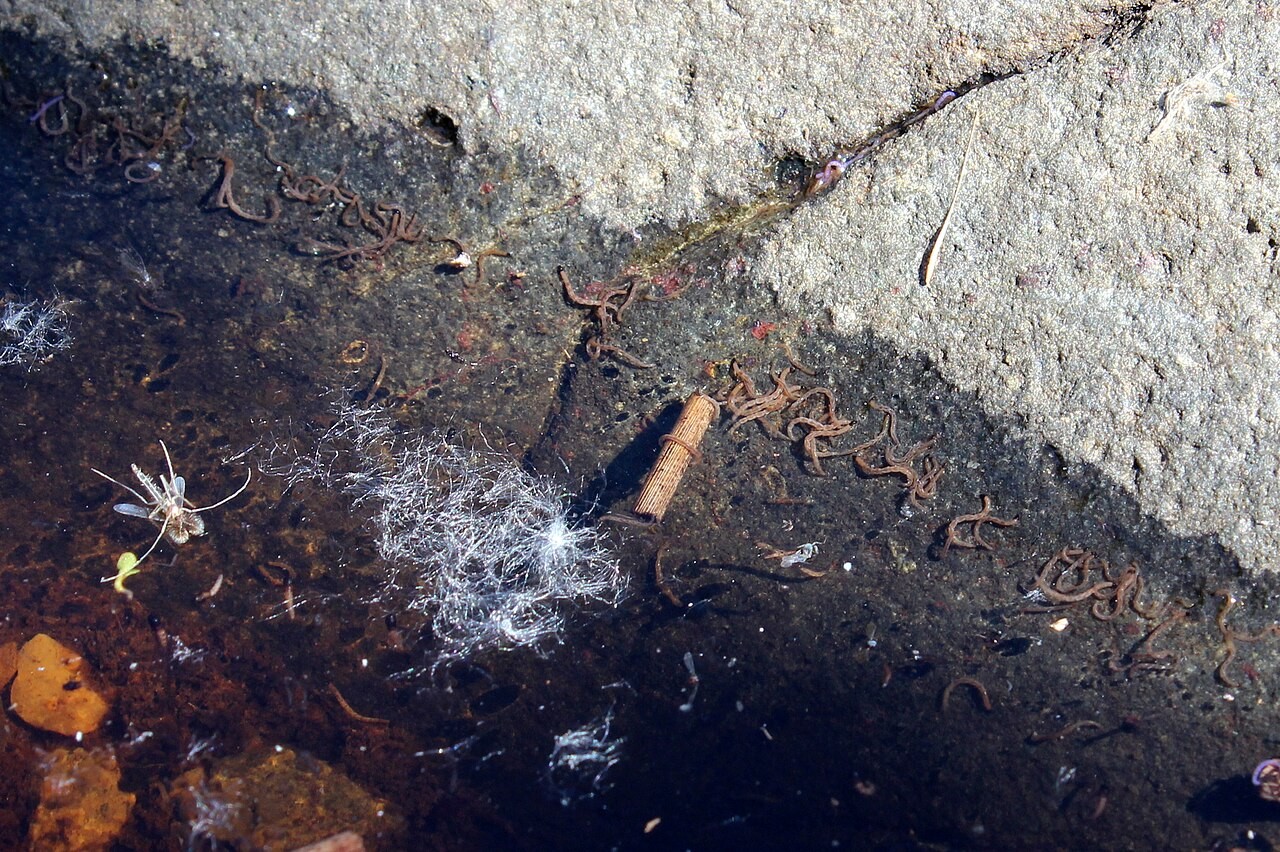
On product mix, the evidence still favours source reduction plus a registered repellent. Indonesia's 3M Plus campaign calls for draining and cleaning water containers, covering storage and removing discarded items that collect rain, paired with larvicide where appropriate. Fogging kills adults; removing breeding sites stops the next generation, and the Kalimantan numbers show why both are needed. Our /insect-repellents/ range covers outdoor and indoor devices for gardens, patios and livestock areas, but an electronic unit is a comfort product, not a disease-control measure. Sell it alongside the basics, document the certification you hold, and keep batch traceability for tender buyers.