 YouHuiYou Components
TDK Ends Nine MLCC Lines, Domestic Makers Take Orders
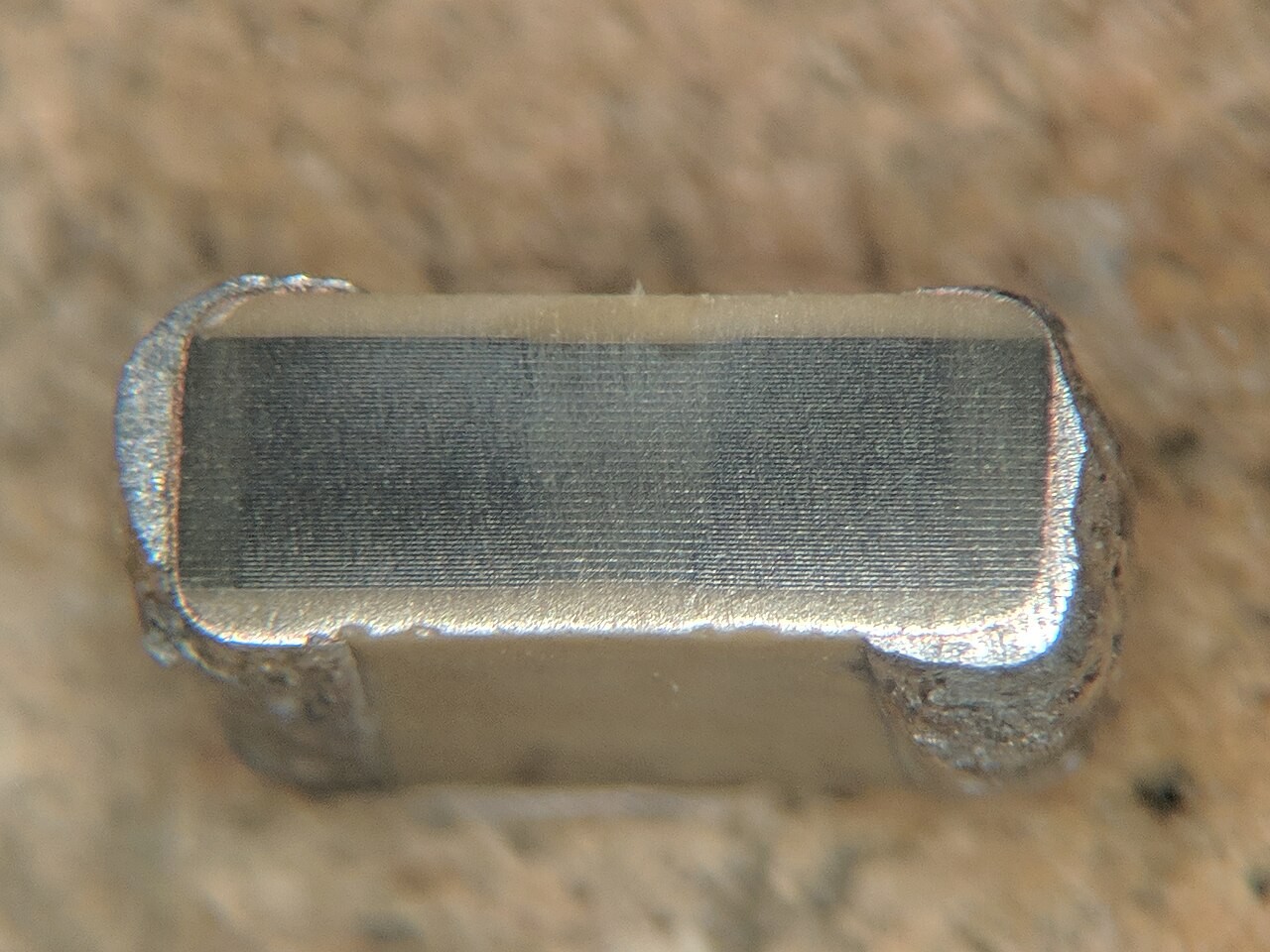
TDK notified customers in September that a production-line redesign would discontinue or transfer nine MLCC series, with a one to two year buffer before the lines close. Industry estimates cited on 20 November say that if all nine series stop, the move releases roughly 15 to 20 billion pieces a month, about 10 to 15% of TDK's MLCC output. The first in line to absorb the orders are domestic Chinese makers and Taiwan's Walsin, especially for TDK's automotive and core series; Windsun and Sanhuan are also named as able to take volume. The exiting lines are low-unit-price parts, so the revenue impact at TDK is smaller than the piece count suggests.
The transfer is already visible in capacity. Microgate Technology, a Guangdong-based MLCC maker that passed its ChiNext IPO review, plans to raise 1.675 billion yuan to expand high-end MLCC output, with utilisation rising from 59.68% in 2023 to 97.76% in 2025 and orders on hand of 1.775 billion yuan at the end of September, about 60% of them consumer grade. It can stack 1,200 layers and supply 100 and 220 microfarad parts in volume. The point for a buyer is that the capacity going spare is largely consumer and industrial high-capacitance, not the AI-server grades that carry the biggest premia, so an alternative source exists for some lines and not for others.
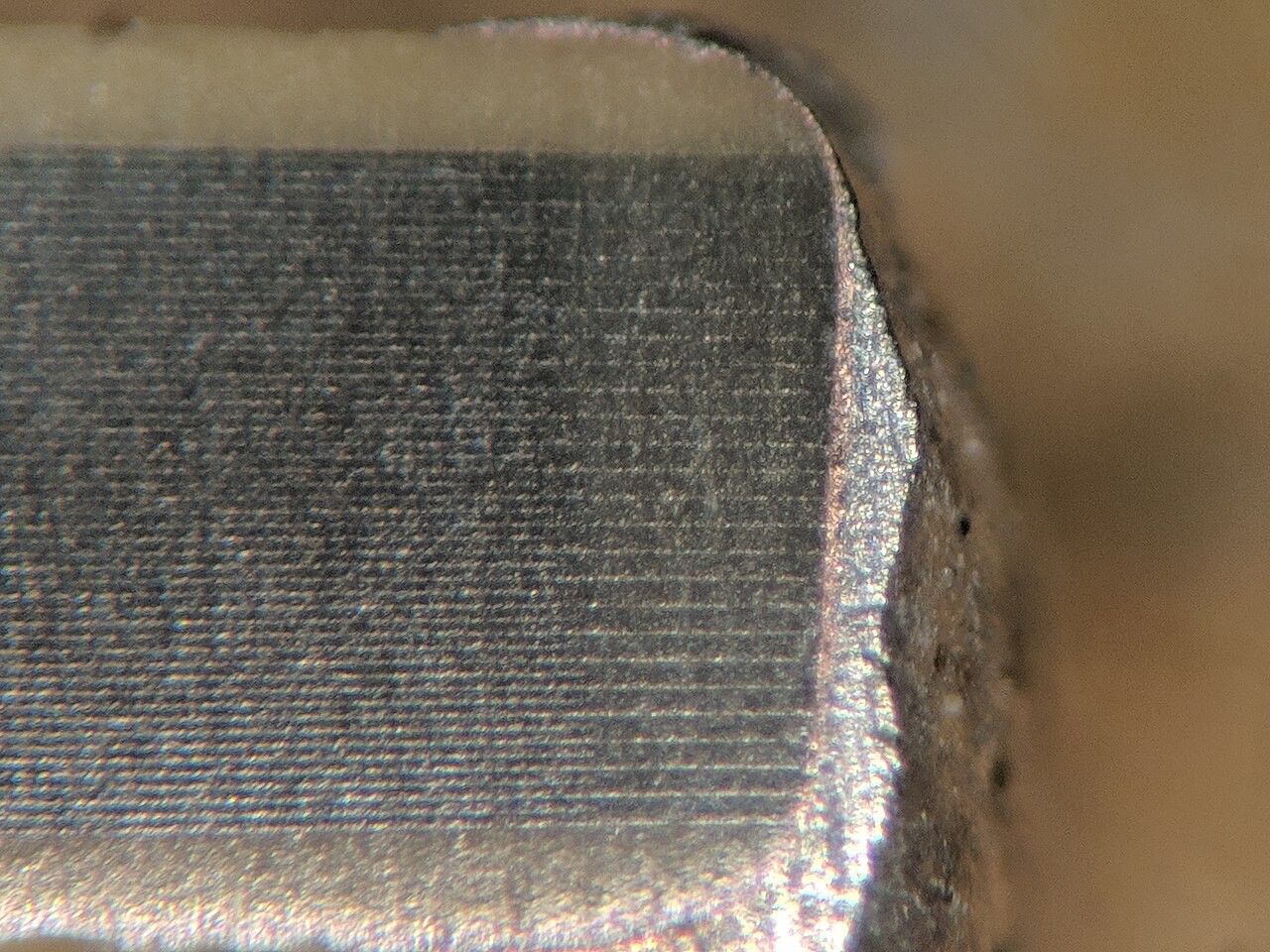
That distinction should drive the sourcing plan. Build an EOL watchlist from supplier PCNs - JEDEC JESD46 gives a 90-day notice baseline - and start alternative validation the moment a series is flagged, because a new line takes about a year from order to stable output. Ask a candidate maker for its layer count, yield rate and aging data, and compare effective capacitance under DC bias rather than the label value. Our /parts/ catalogue exposes case size, dielectric, capacitance and voltage to speed that comparison, but automotive and AI parts still need full qualification and AEC-Q200 where relevant.
Keep the docs tight through a source change. RoHS and REACH declarations, conflict-minerals statements and a dated PCN trail all matter when a customer audits a substituted part. Negotiate a last-time-buy quantity that covers the qualification window plus buffer, and confirm who owns the tooling and test data. With domestic utilisation already near 98% and TDK's exit spread over one to two years, the buyer who starts validation now gets a choice of sources; the one who waits gets whatever is left in the spot market.