 YouHuiYou Components
Memory Splits: Contract Prices Rise While Spot Starts to Slip
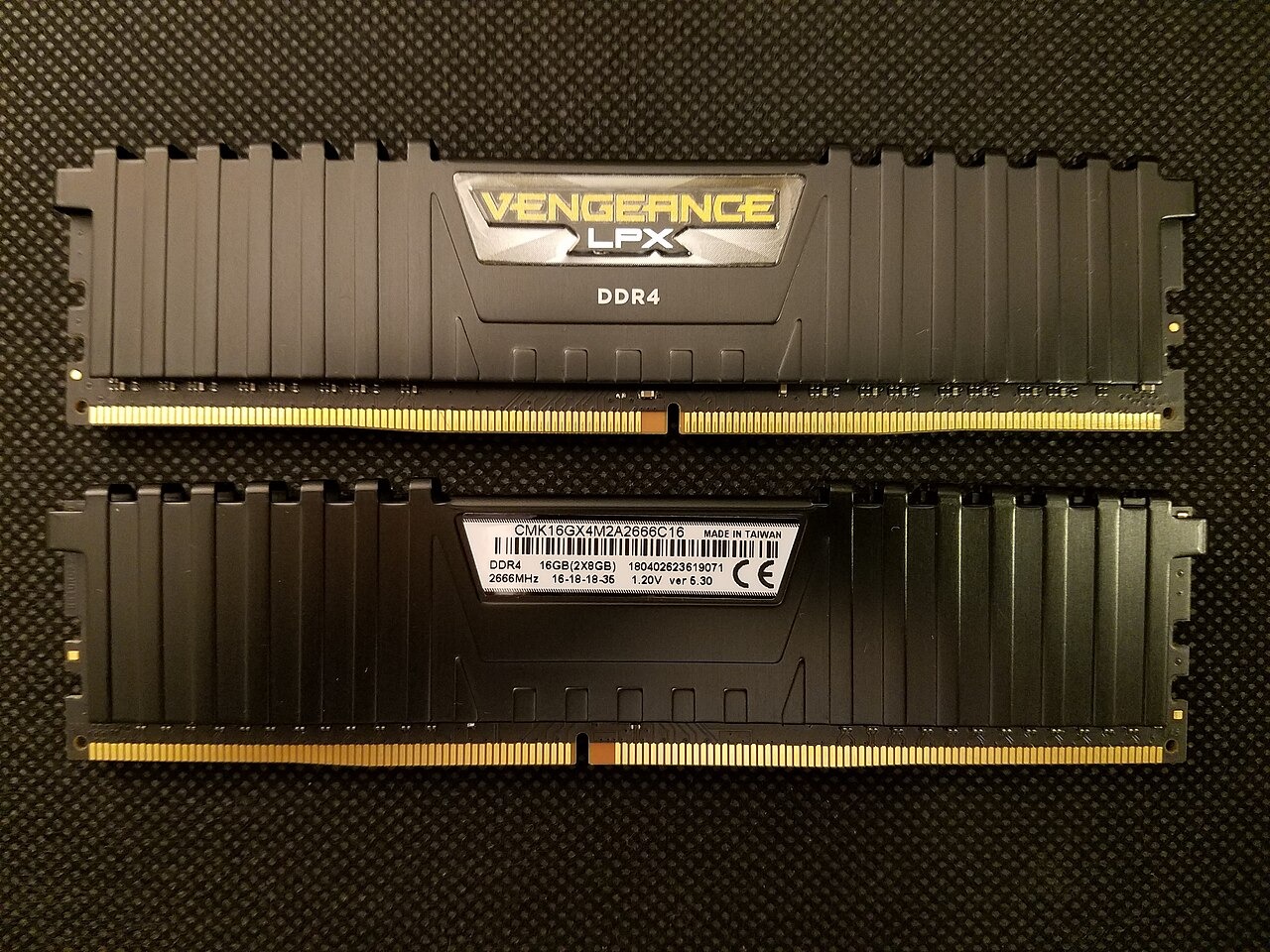
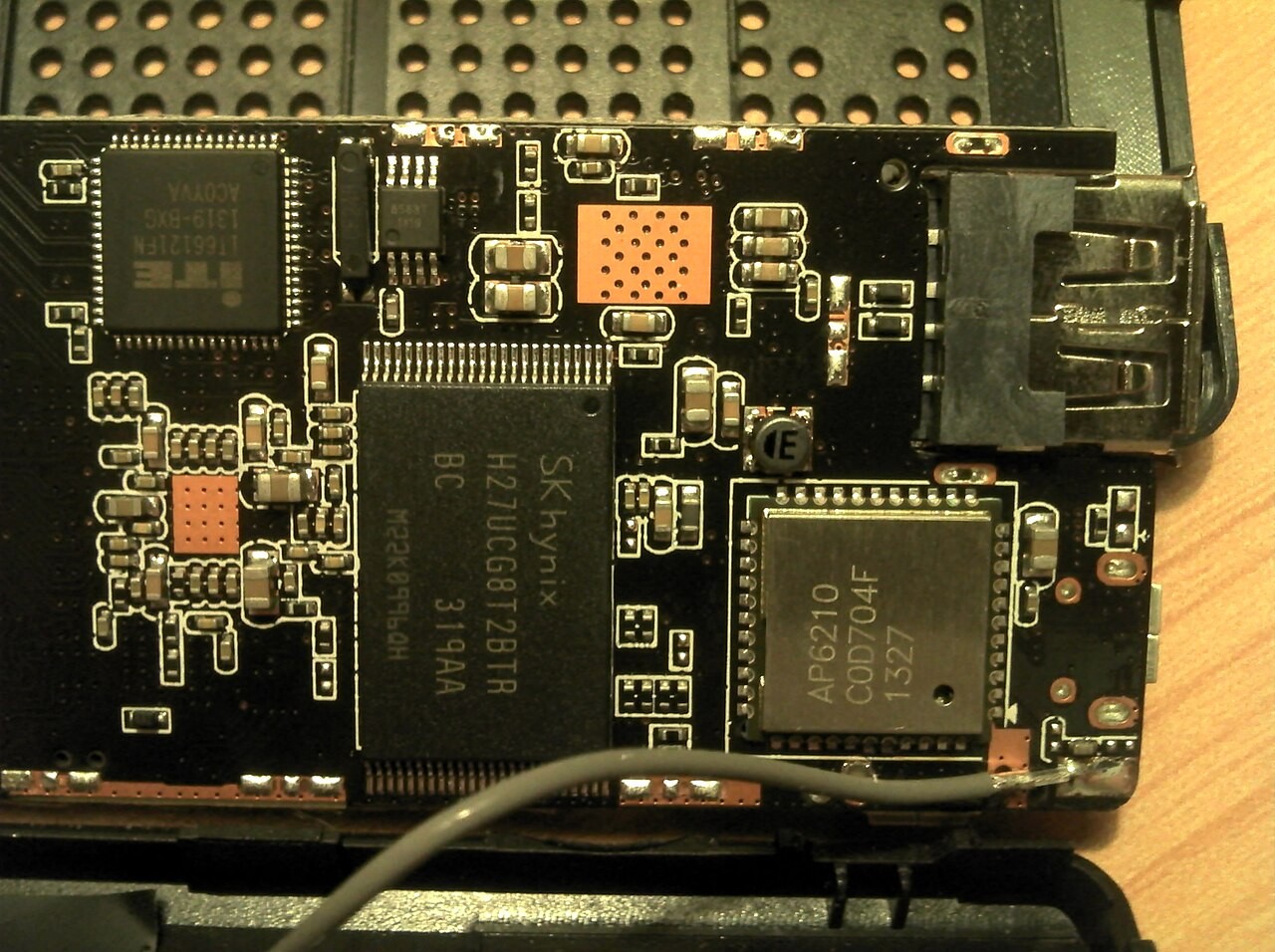
Memory is sending two signals at once. TrendForce expects conventional DRAM contract prices to rise 10 to 15 per cent quarter on quarter in Q4 2026 and NAND contracts 15 to 20 per cent, with enterprise SSDs up 23 to 28 per cent on AI inference build-out. October's PC DDR4 8Gb contract average reached USD 27.50, up 5.77 per cent month on month and the highest since the series began in June 2016, and the third quarter saw DRAM contract increases of 13 to 18 per cent after 58 to 63 per cent in the second quarter.
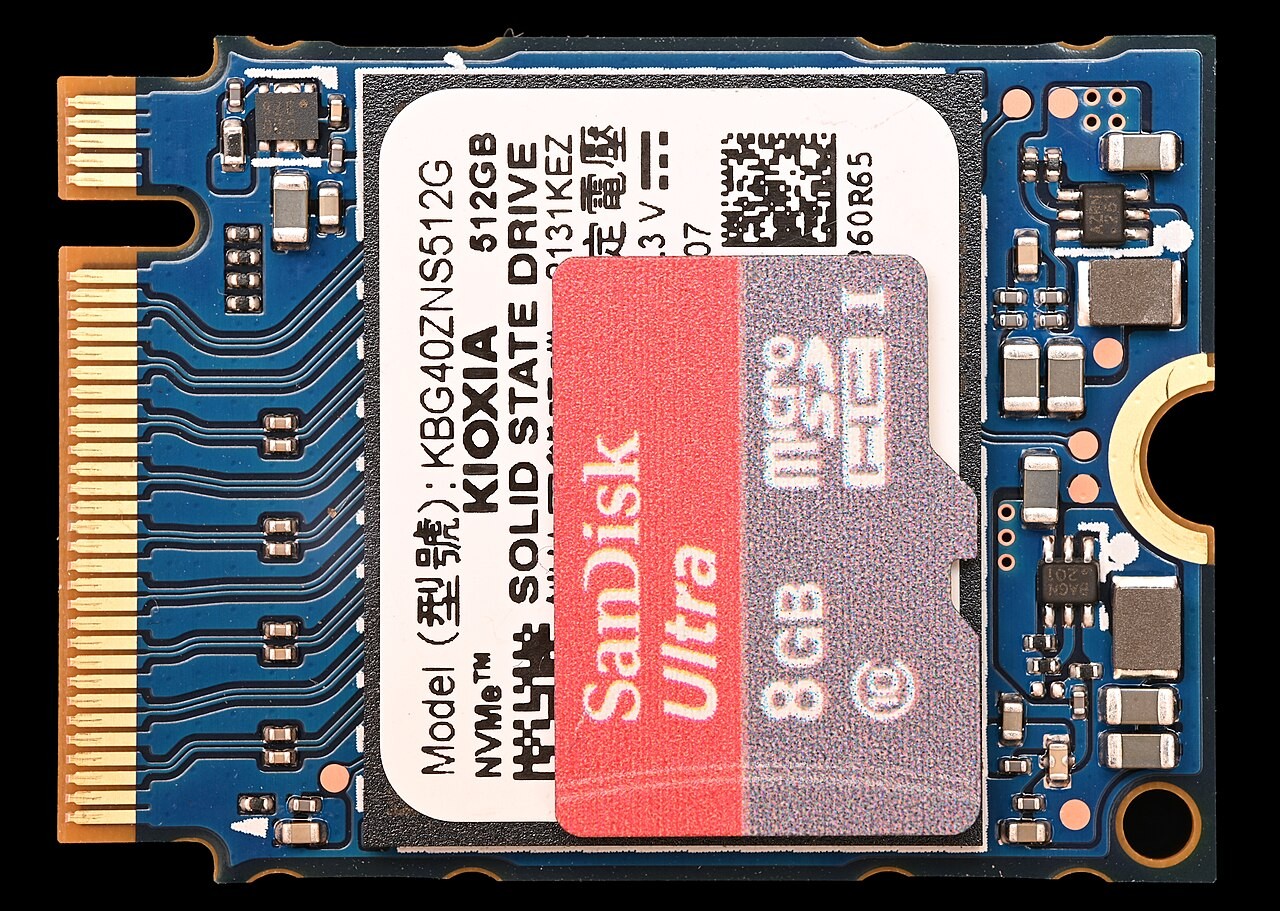
The spot market has already turned. DDR4 1Gx8 spot slipped in early November, 512Gb TLC NAND wafers fell 4.33 per cent in a week after a 9.19 per cent drop the week before, and 128Gb MLC NAND contract prices were flat in October, ending 21 straight months of increases. Bank of America analysts put the NAND spot decline at roughly 20 per cent since mid-to-late October and expect general IT NAND prices to fall another 5 to 10 per cent in Q1 2027, with NAND contract talks possibly delayed. Spot usually leads contract by about a quarter, which is why the two curves are diverging now.
For buyers, the divergence is a signal about which commitments to make and when. Contract prices for Q4 and Q1 are effectively set by supply that is already allocated - SK hynix says DRAM and HBM capacity is in practice sold out through 2029 - so the question is not whether to buy but how much to commit. Cover the next two quarters at contract, keep a modest spot sleeve for upside, and avoid signing twelve-month fixed-price deals at the top of a curve that is already flattening. If your product can absorb it, take the Q1 2027 negotiation later rather than earlier; NAND is the more likely of the two to give ground first.
Two structural traps deserve attention. DDR4 is an end-of-life node, not a temporary shortage: capacity retired does not come back, so bridge buys and last-time-buy notices matter more than price shopping. And module pricing is not die pricing - a cheap module can hide downgraded bins, so ask for the die grade, speed bin and test flow, especially for industrial and automotive builds. Our /parts/ catalogue carries memory with package and speed attributes for cross-checking. Build the qualification for a second density or a second vendor now, while allocation is still negotiable, not after the next allocation letter arrives.