 YouHuiYou Components
Helium Shortage: DOE Lists It Critical as Spot Prices Double
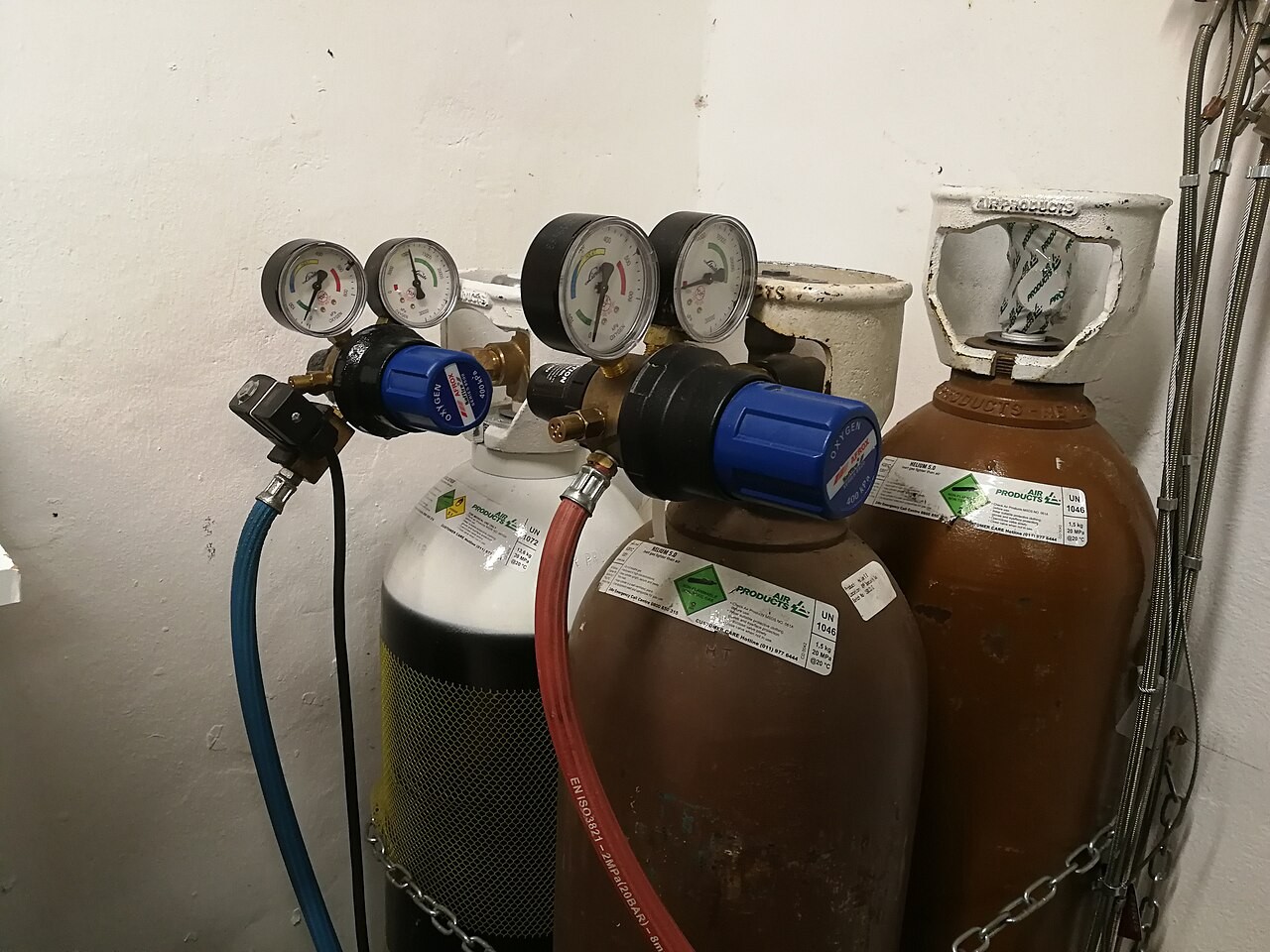
Helium is rarely on a procurement checklist, yet a supply shock in the Gulf is now feeding into lead times for the chips and power devices that use it. Missile strikes on Qatar's Ras Laffan industrial city in March 2026 cut roughly 17 per cent of Qatari LNG processing and triggered a force majeure on helium deliveries, according to industry reporting compiled in October. Spot prices in Northeast Asia rose from a long-term contract baseline of 500 to 550 dollars per thousand cubic feet to more than 1,000 to 1,200 dollars, roughly a doubling. On 23 October the U.S. Department of Energy added helium to its critical materials list, designating it non-substitutable for semiconductor manufacturing.
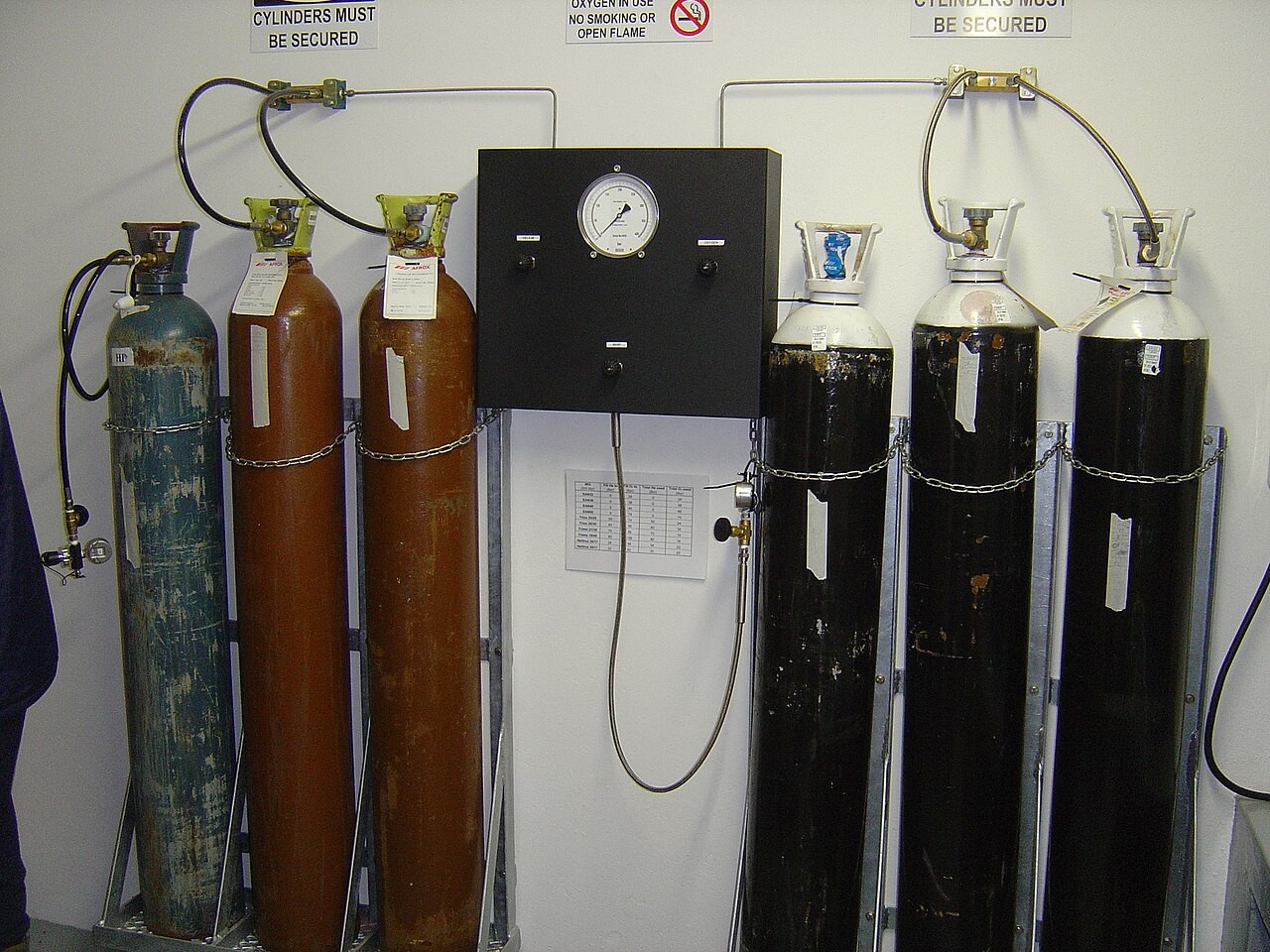
The concentration is the real problem. The United States and Qatar together control about three-quarters of global helium output, and South Korea imported 64.7 per cent of its helium from Qatar in 2025, all of it transiting the Strait of Hormuz. Russia's export restrictions run to the end of 2027 and China temporarily banned helium exports in July. In the fab, helium's thermal conductivity is about 5.8 times that of nitrogen, making it hard to replace for cooling tantalum and silicon wafers during deep-trench etching and electrostatic-chuck applications. TSMC's leading fabs reportedly recycle 80 to 90 per cent of their helium, but smaller fabs have less leverage; one U.S. maker told CBS that an allocation from a supplier would force a shutdown.
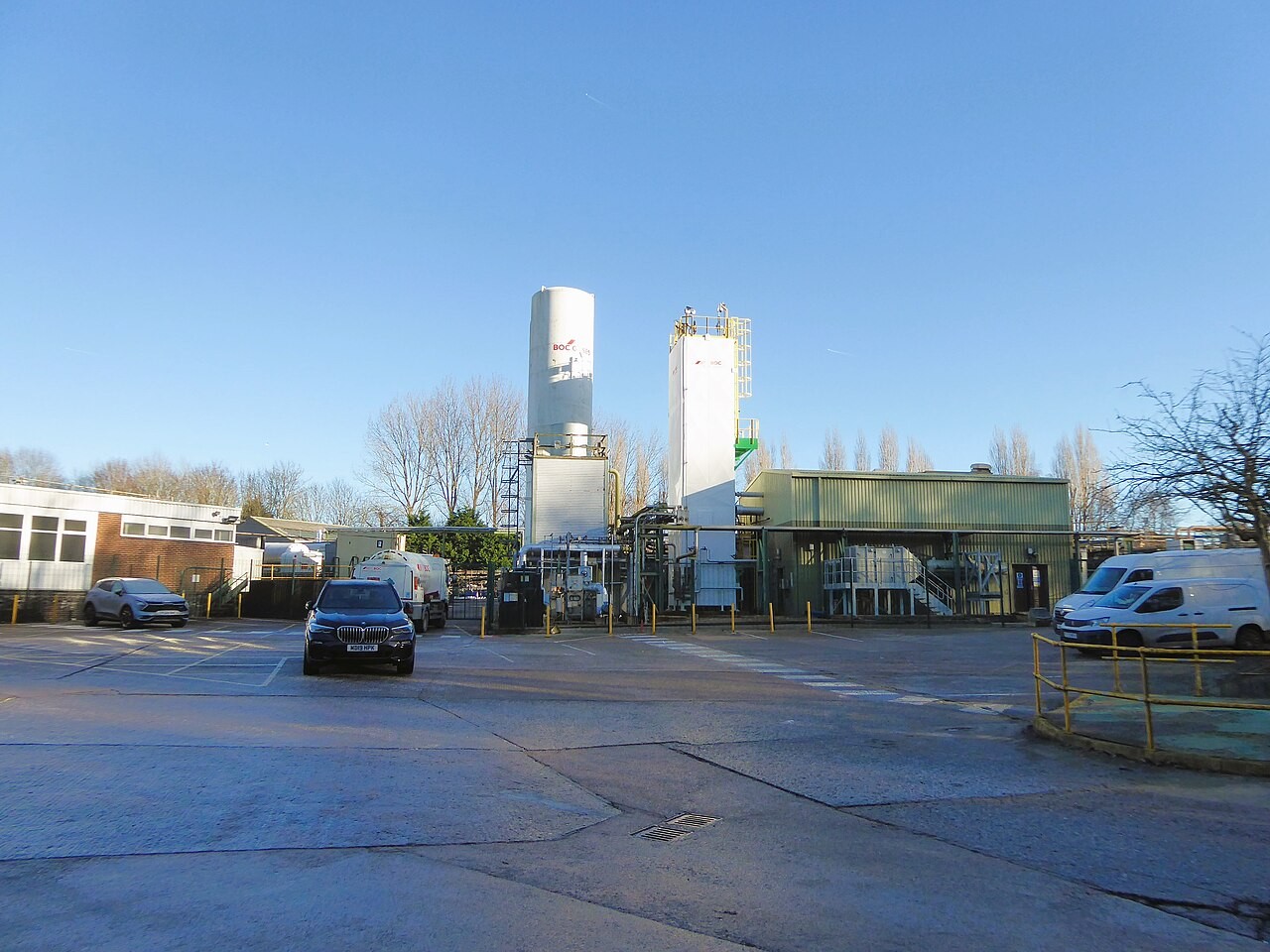
For buyers of MOSFETs, IGBTs, SiC devices and analogue chips, this is a lead-time and surcharge risk that will show up before it shows up as a line item. Most helium trades on long-term contracts, so the price spike appears as surcharges and rationing rather than sticker prices. Ask suppliers which fabs produce your parts and whether they have disclosed gas-related constraints, and treat any 2027 quote on mature power devices as likely to carry an energy or gas adjustment. Lock allocation where you can, qualify a second source on a different fab footprint, and avoid building a programme around a single advanced-node supplier. Our /parts/ catalogue can help map alternatives, but helium exposure sits upstream of any datasheet.
Compliance and geography now intersect. Critical-material designation and export controls mean that origin and routing matter as much as price, so keep country-of-origin and conflict-minerals records ready for EU and U.S. customers. RoHS and REACH declarations remain necessary but do not address gas supply. The practical takeaway is to watch the upstream input that no bill of materials lists: when a gas that costs a few dollars per wafer is rationed, the constraint appears as a 40-week lead time on the part you actually buy.