 YouHuiYou Components
AI Laser Bird Deterrents Target Substations and Farms
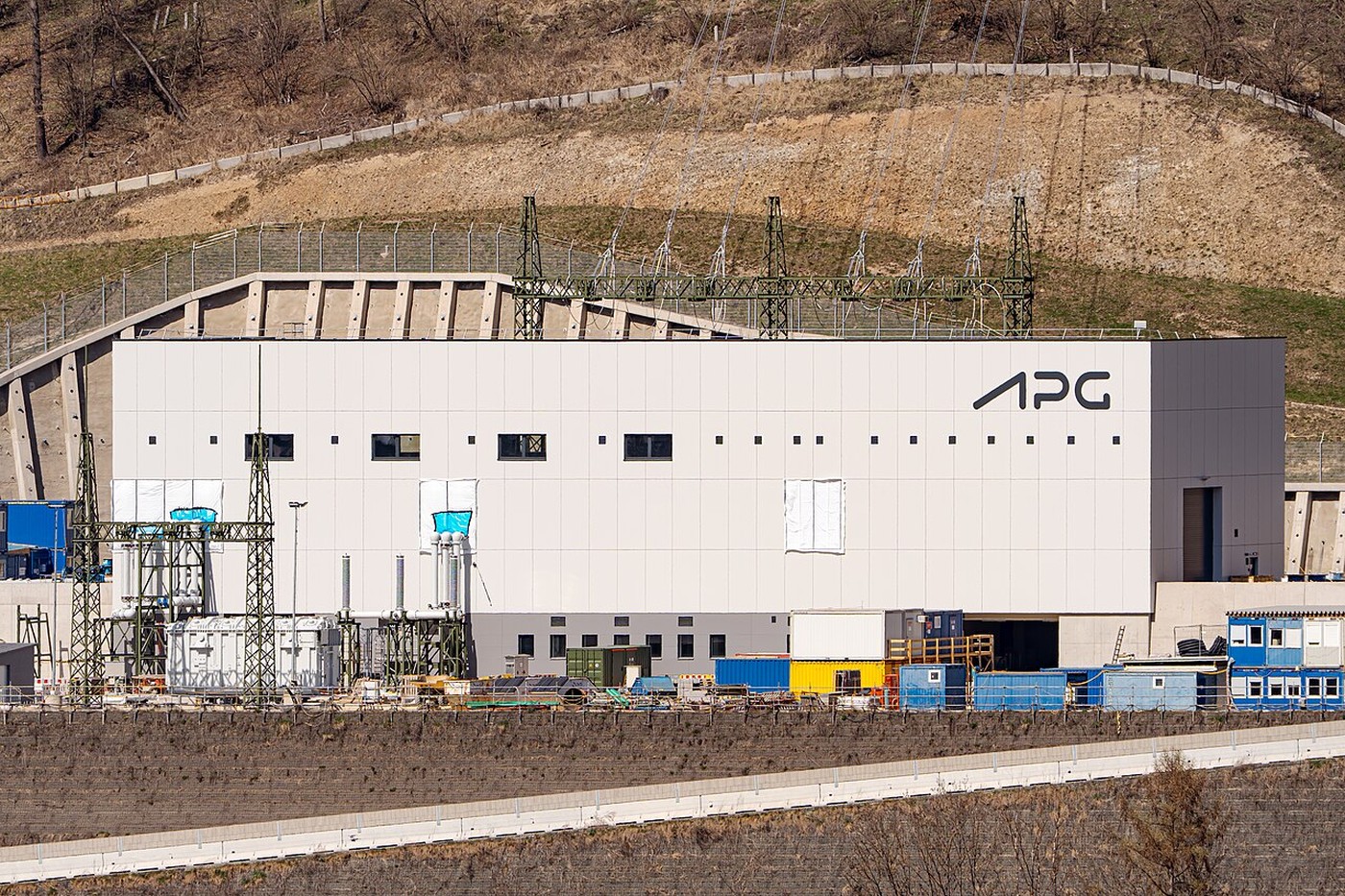
A wave of multi-sensory bird deterrents is moving beyond airports into power substations, photovoltaic sites, grain storage and large logistics parks. One unmanned platform announced on 17 November pairs ultrasound matched to avian hearing with strobe lighting for dawn and dusk, and streams live video so operators can see bird distribution and switch to manual intervention. Vendors report less perching, nesting and flocking, and fewer problems from droppings, debris and short circuits.
The technology matters because single-method devices fail. Birds habituate to fixed-cycle ultrasound, spikes or nets. Newer units such as the DH-E520 combine AI video recognition with a 532nm Class 2M green laser that is eye-safe, a variable 8-35kHz ultrasonic generator and a 120dB speaker playing predator calls. A pan-tilt platform covers 360 degrees with a daytime range of at least 300 metres, runs on a solar panel and battery at IP66, and can be managed remotely over 4G or 5G.
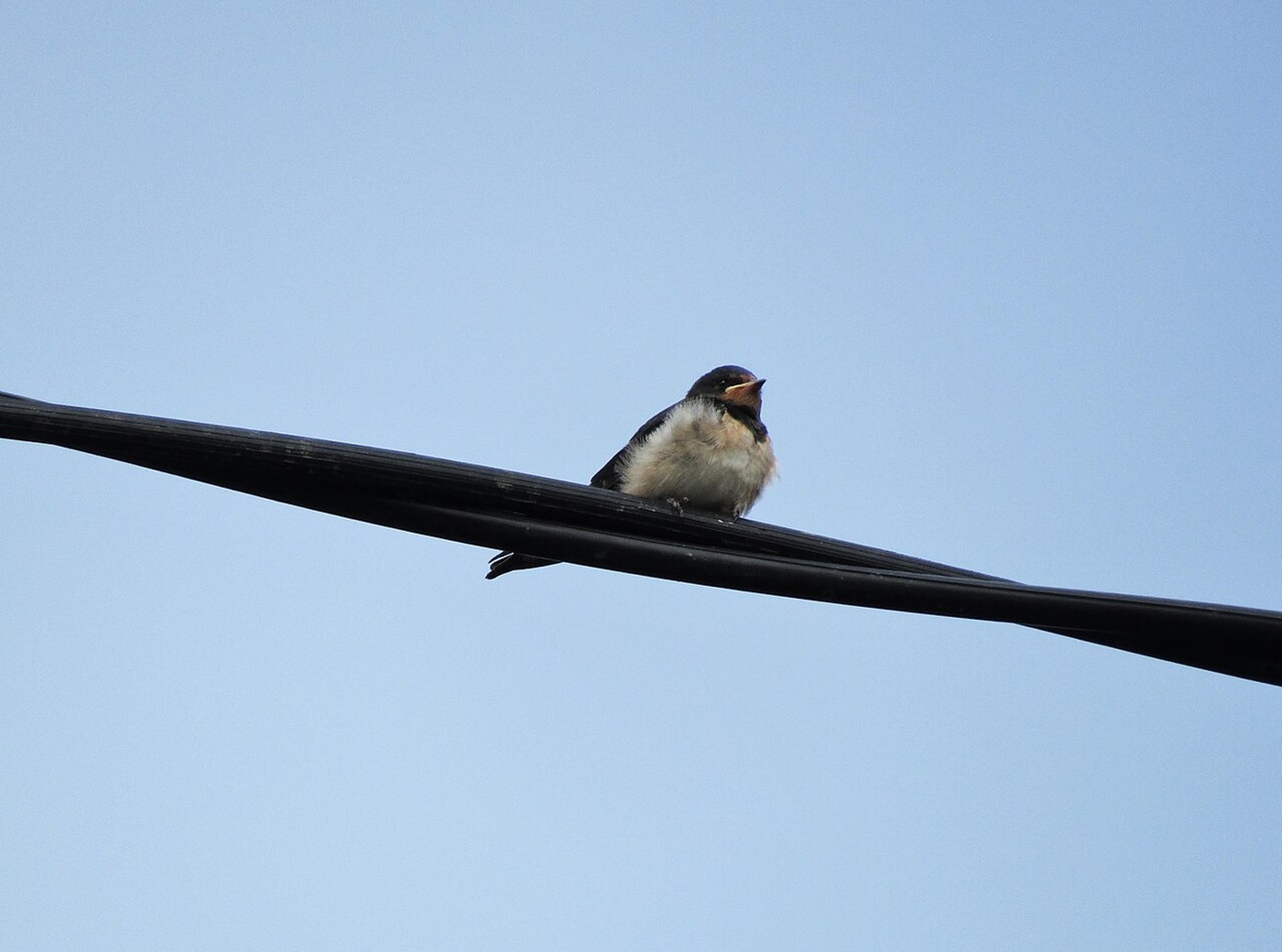
For a buyer, the question is fit and proof, not novelty. Ask which species and conditions the coverage figures refer to, how habituation is rotated out, and what the operating hours and labour burden are. Substations care about flashovers, airports about strikes, farms about pecking losses, so specify the failure mode first. Coverage radius sets the unit count and cost per site per season. Our /bird-repellers/ range covers solar and acoustic options for these different settings.
Check the regulatory frame before deploying. A 532nm laser must meet the applicable laser safety class under IEC 60825, acoustic units may be limited by local noise rules, and protected-species law restricts some dispersal methods, with non-lethal approaches generally favoured under the EU Birds Directive and UK wildlife law. Require CE or UKCA with RoHS and REACH declarations, and keep a logged, non-lethal programme with trend data for the insurer or certifier.