 YouHuYou Components
Sri Lanka Forms Aviation Wildlife Committee After Bird Strikes
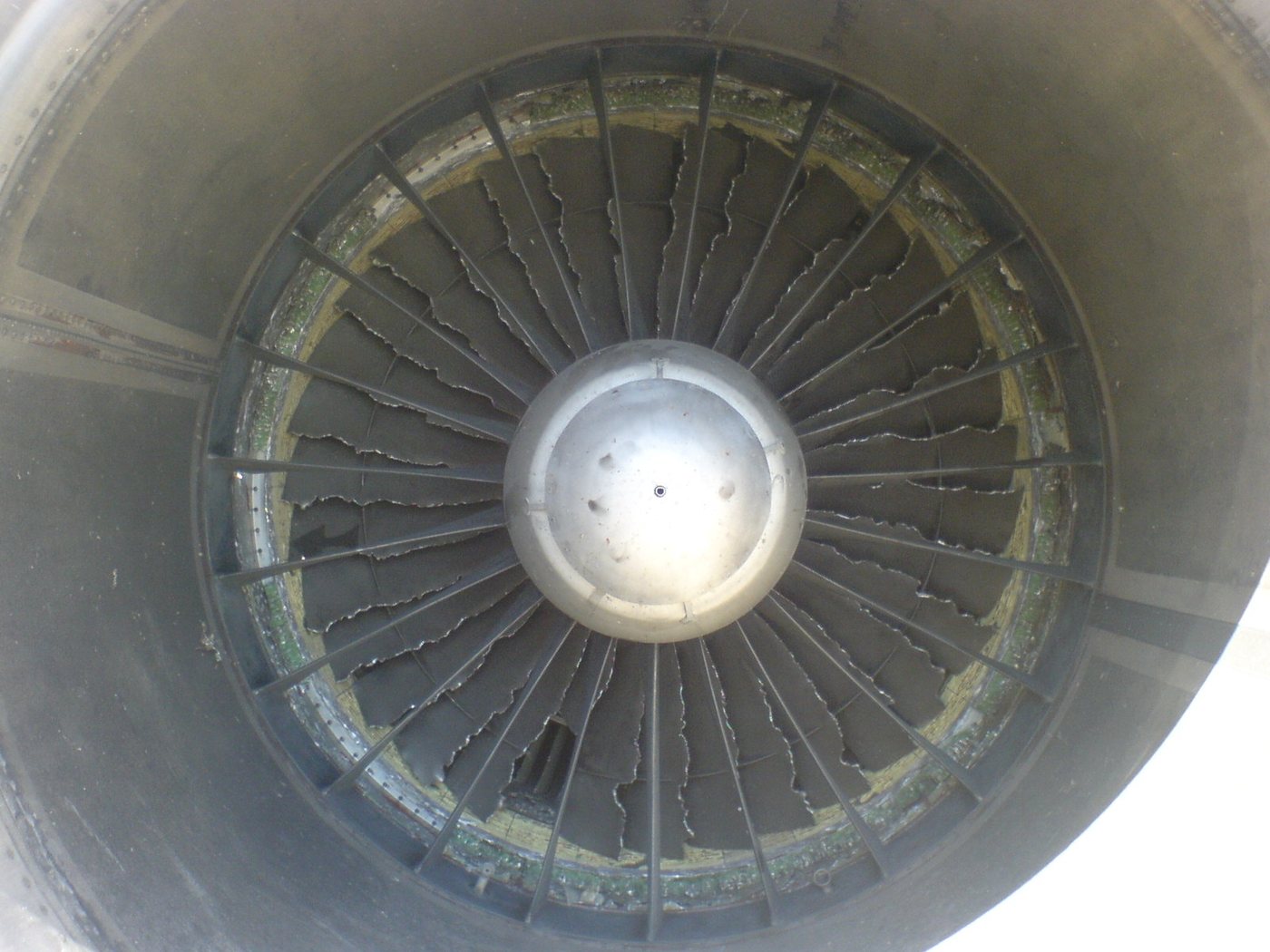
SriLankan Airlines flight UL503 to London rejected its takeoff at Colombo on 28 October 2026 after a suspected bird strike on one engine during the takeoff run. The A330 carried 269 people; none were hurt, and passengers reached London on a replacement aircraft about four hours late. It was the second serious strike at the airport this year, after a Turkish Airlines A330 hit a bird shortly after takeoff in July and circled for over three hours to burn fuel before landing.
The wider context is institutional. On 27 October, Sri Lanka's government approved a National Wildlife Hazard Management Committee for Aviation Safety, aligning with ICAO guidance that requires signatories to record strikes, identify hazards and assess risks around airports. India saw further incidents this week, including a minor bird hit on an IndiGo flight landing at Mumbai.
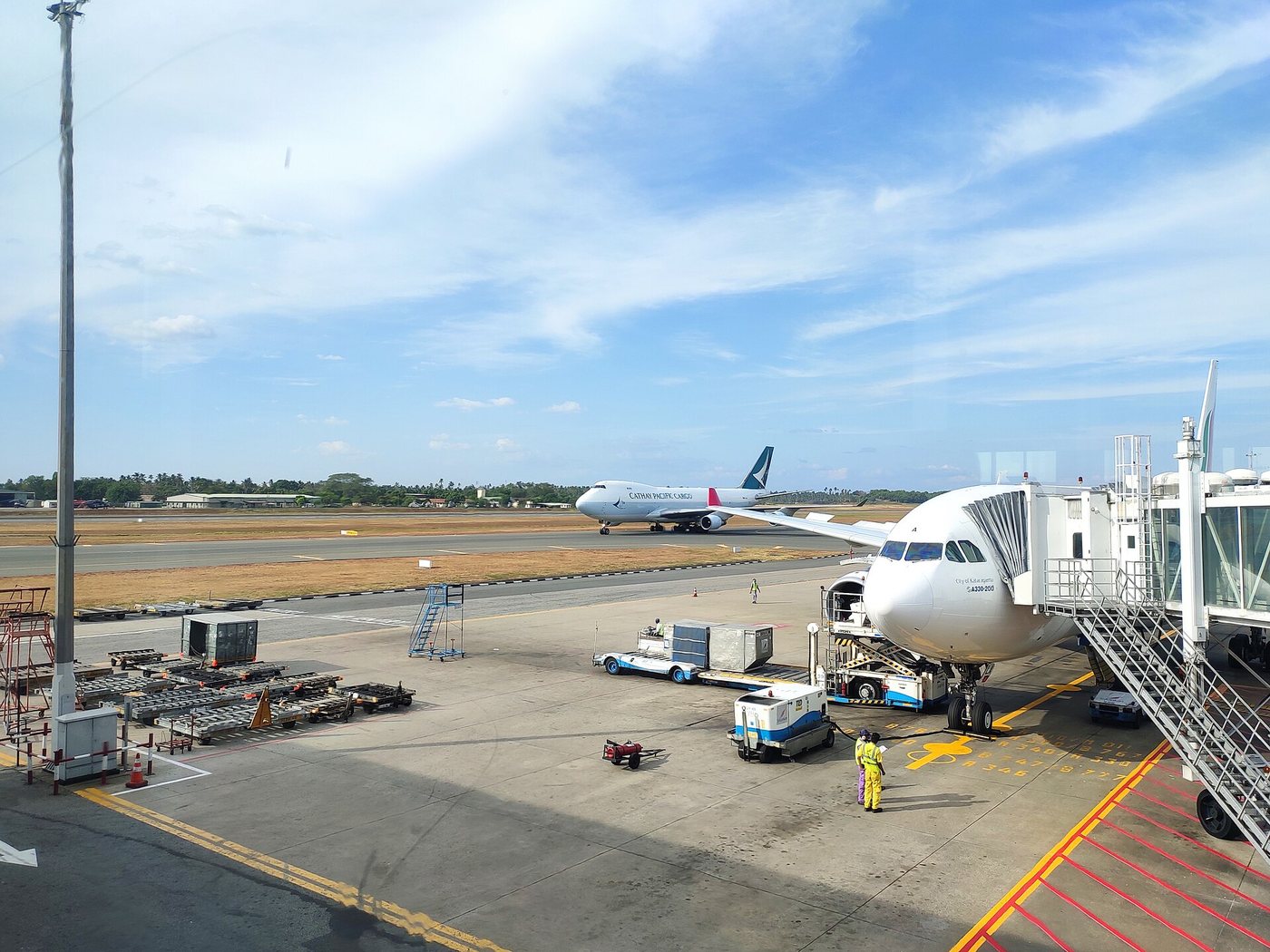
For buyers of airport and airfield equipment, national committees are where budgets get formalised. Typical procurement after a committee forms covers runway-adjacent habitat management, bioacoustic and distress-call systems, laser deterrents for dawn and dusk windows, and increasingly radar-linked dispersal that directs devices automatically toward detected flocks.
The same technology stack transfers beyond aerodromes. Solar plants, orchards, ports and grain terminals face bird-related yield and safety losses, and many buy from the same suppliers. Our bird repeller range covers solar-powered visual and acoustic deterrents suited to both airfield perimeters and distributed sites.
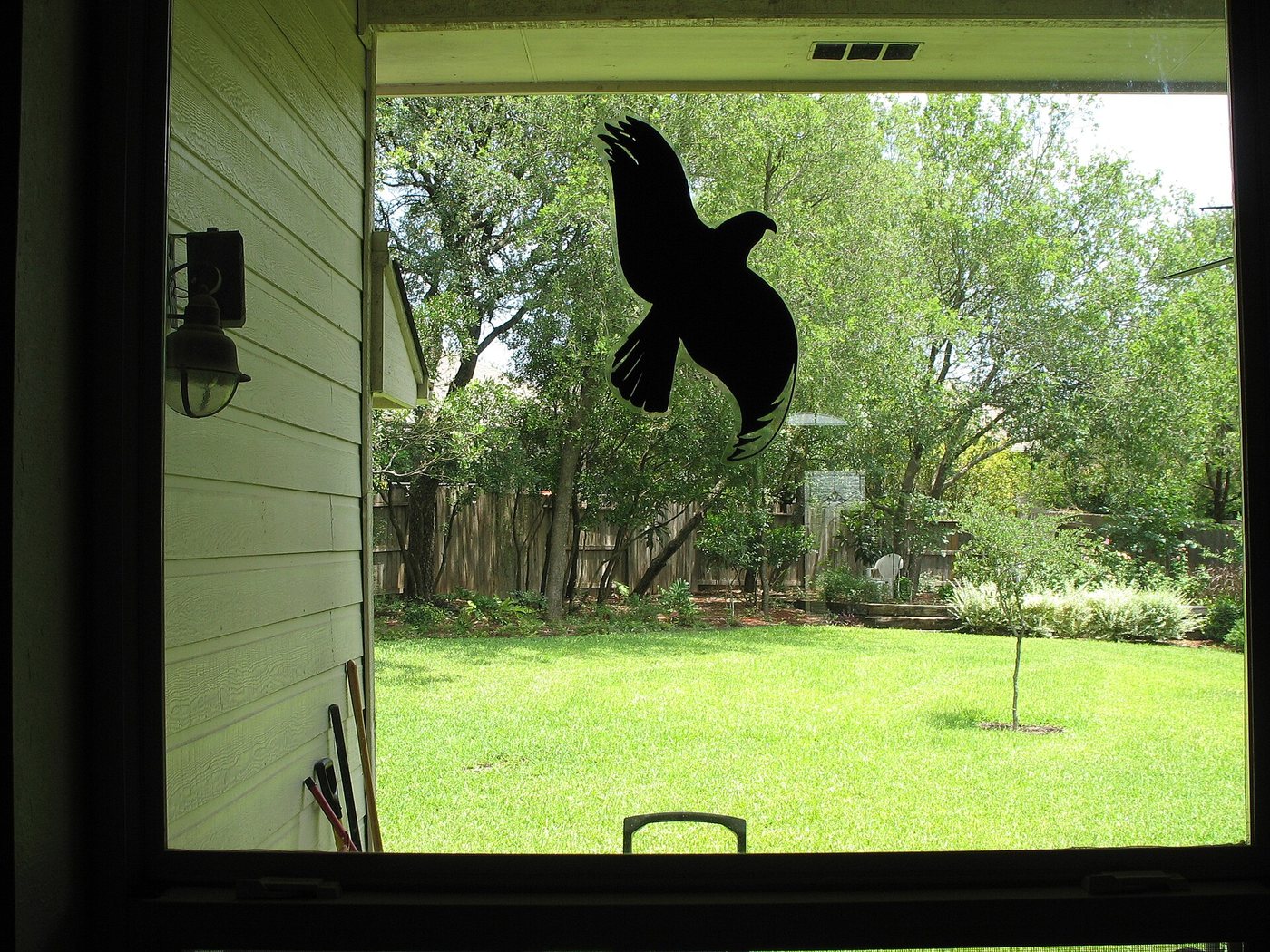
Two sourcing notes for this cycle. First, airfield-grade audio units are specified by sound pressure and coverage angle, so match the spec sheet to the zone rather than buying one model for the whole field. Second, birds habituate: any effective program rotates and randomises deterrents, so multi-unit mixed orders outsell single-device kits. Expect airport-driven demand across South Asia to stay firm through the northern winter season.