 YouHuiYou Components
Court Voids Saemangeum Airport Plan Over Bird-Strike Risk
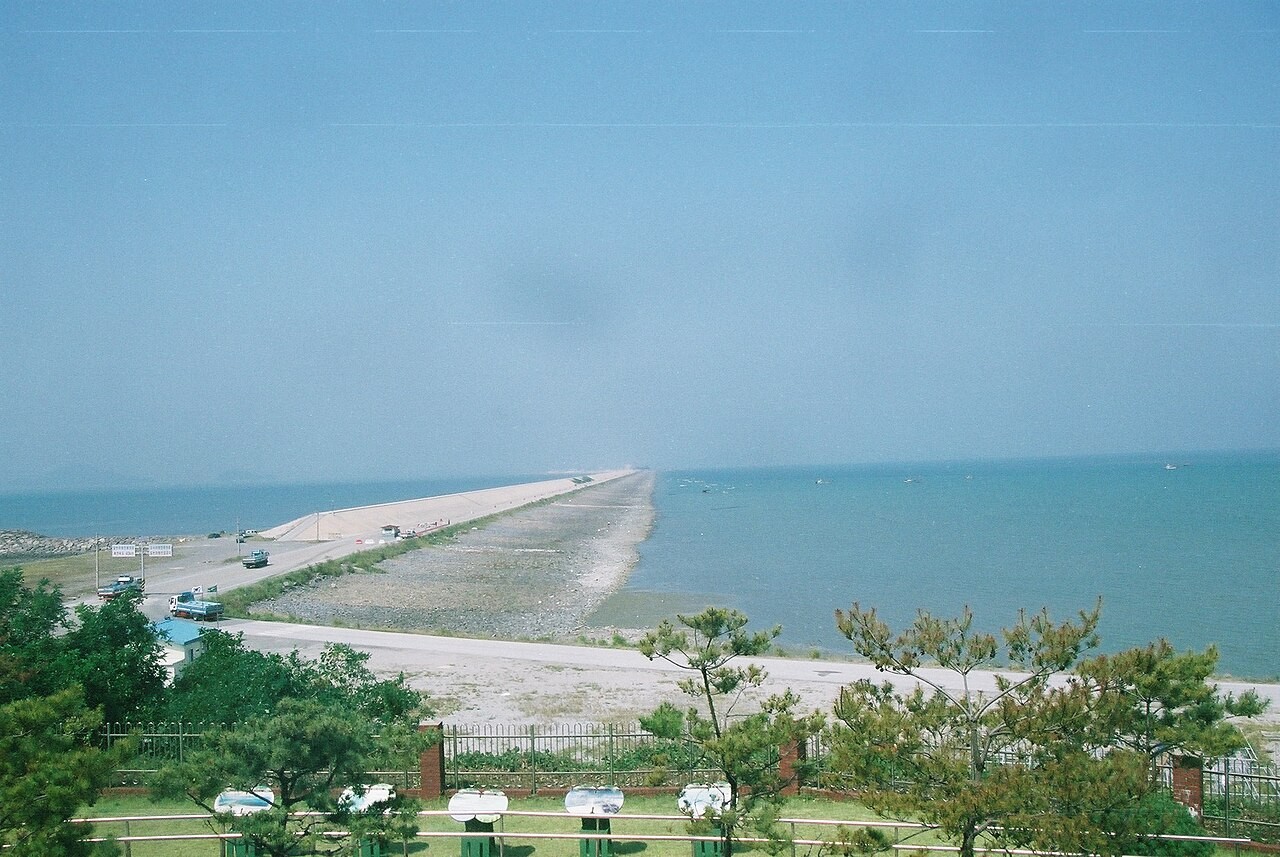
On 18 November the Seoul High Court upheld the cancellation of the basic plan for Saemangeum International Airport, a project budgeted at about KRW 807.7 billion. The court found that the 2019 feasibility study which narrowed 13 candidate sites to Saemangeum did not evaluate bird-strike risk at any of them, that a later environmental assessment never fed its bird findings back into the choice of site, and that the ministry's own screening model rated the site far above other Korean airports. The proposed runway sat roughly 1.35 km from Gunsan Airport, on the East Asian-Australasian Flyway, with more than 31 protected bird species recorded nearby and a UNESCO-listed tidal flat about 7 km away.
The ruling is a planning decision, not a product story, but it resets how wildlife risk gets priced into site selection across the region. Korea has been rebuilding its bird-strike regime since the December 2024 Jeju Air accident at Muan, where 179 people died and bird remains were found in both engines. Projections cited in the case put the Saemangeum site at up to 45 strikes a year within 13 km, against about three at Incheon. When a court treats an omitted bird-risk assessment as grounds to void a multi-billion-dollar plan, every airport, logistics park, solar farm and waste site near water or farmland inherits the same question.
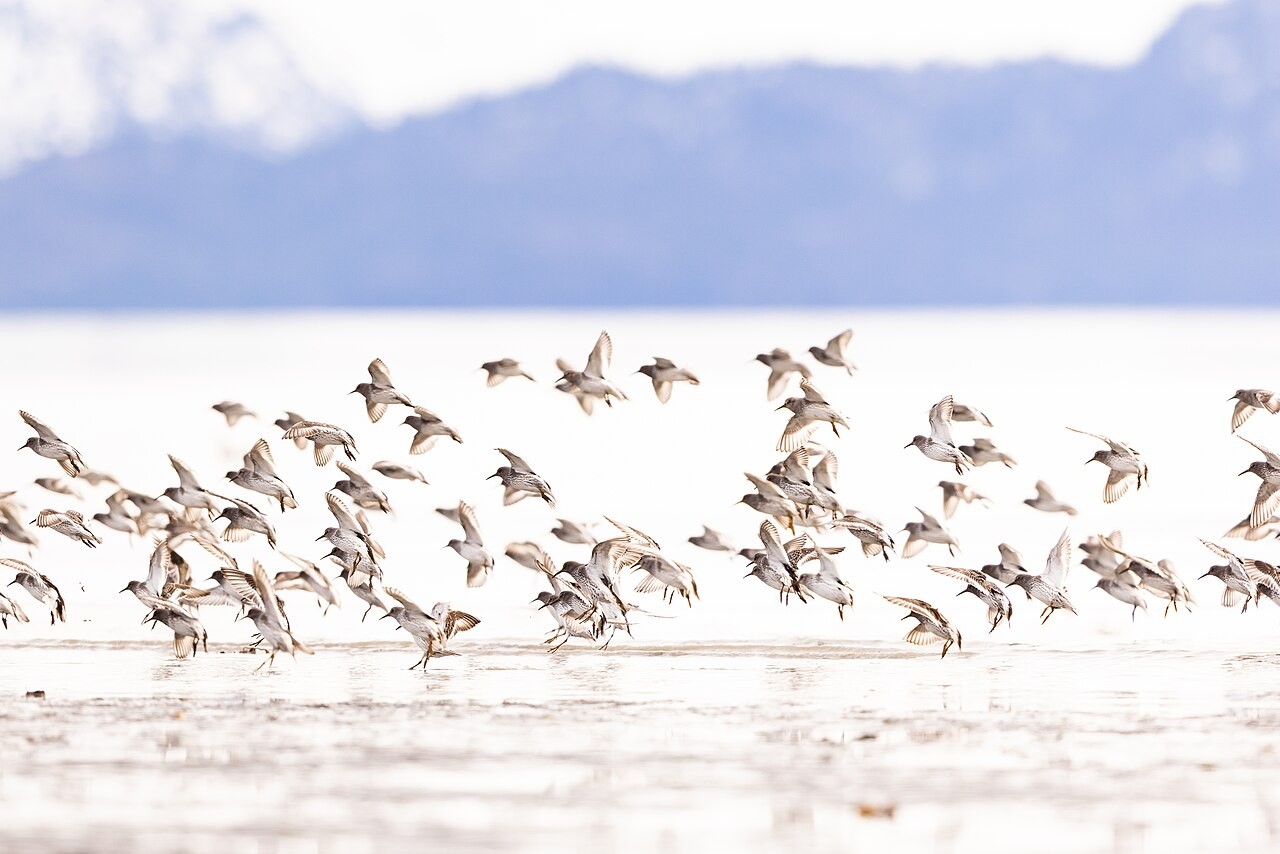
For buyers specifying deterrence equipment, the lesson is that hardware alone will not carry a project. A defensible plan starts with a site-level risk assessment - species, seasonality, flight paths, nearby attractants such as open water, landfill or crops - and then layers measures in order of preference: habitat management and exclusion first, then non-lethal dispersal such as acoustic, laser or trained-falconry programmes, with lethal control only where local law allows and only under permit. Request the survey method and the assumptions behind any claimed coverage, and insist the supplier states which species and which conditions the numbers refer to.
Compliance is the other half. In the U.S., airport sponsors work to FAA wildlife hazard management requirements and a documented strike database; in the EU and UK, protected-species law constrains what you may do to birds and when. Our /bird-repellents/ range covers solar-powered and acoustic units for agricultural, industrial and rooftop use, but they belong inside a written plan with monitoring and an audit trail. If your project involves a lender, an insurer or a public consultation, the wildlife assessment will be read as carefully as the financial model - and, as this case shows, it can decide whether the project exists.