 YouHuiYou Components
Falcon Drones Trialled in Australian Orchards for Bird Control
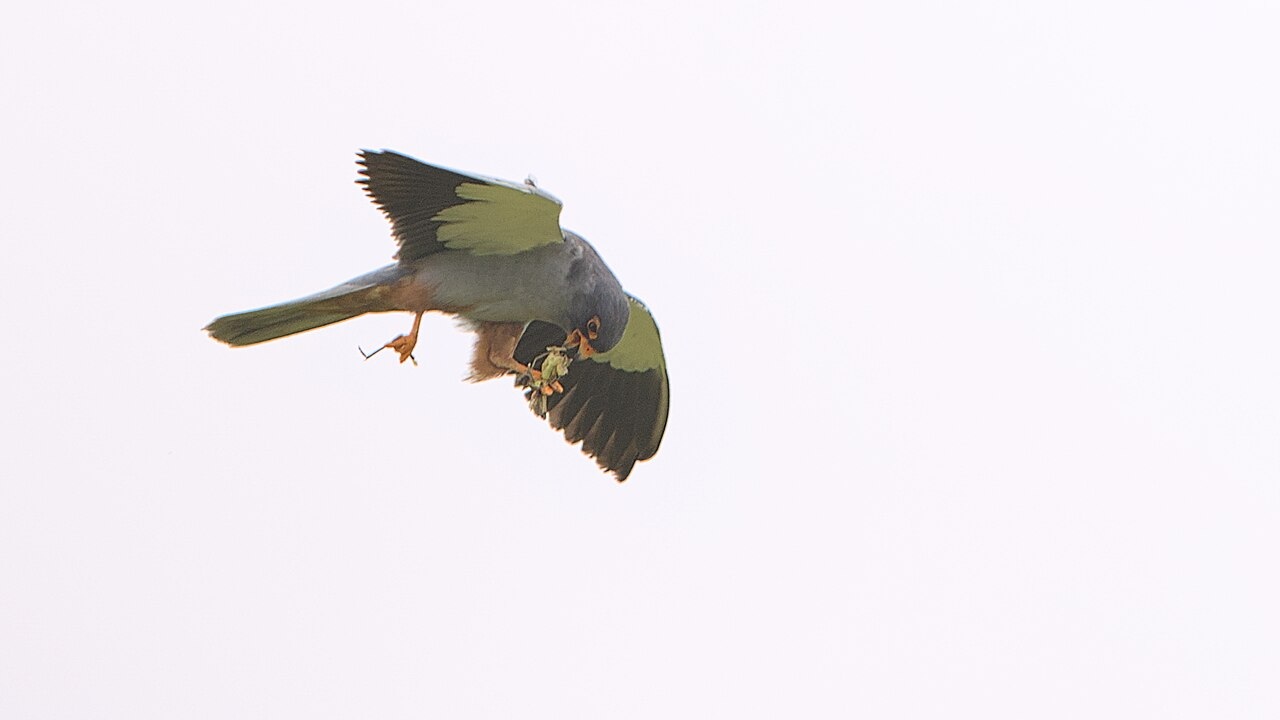
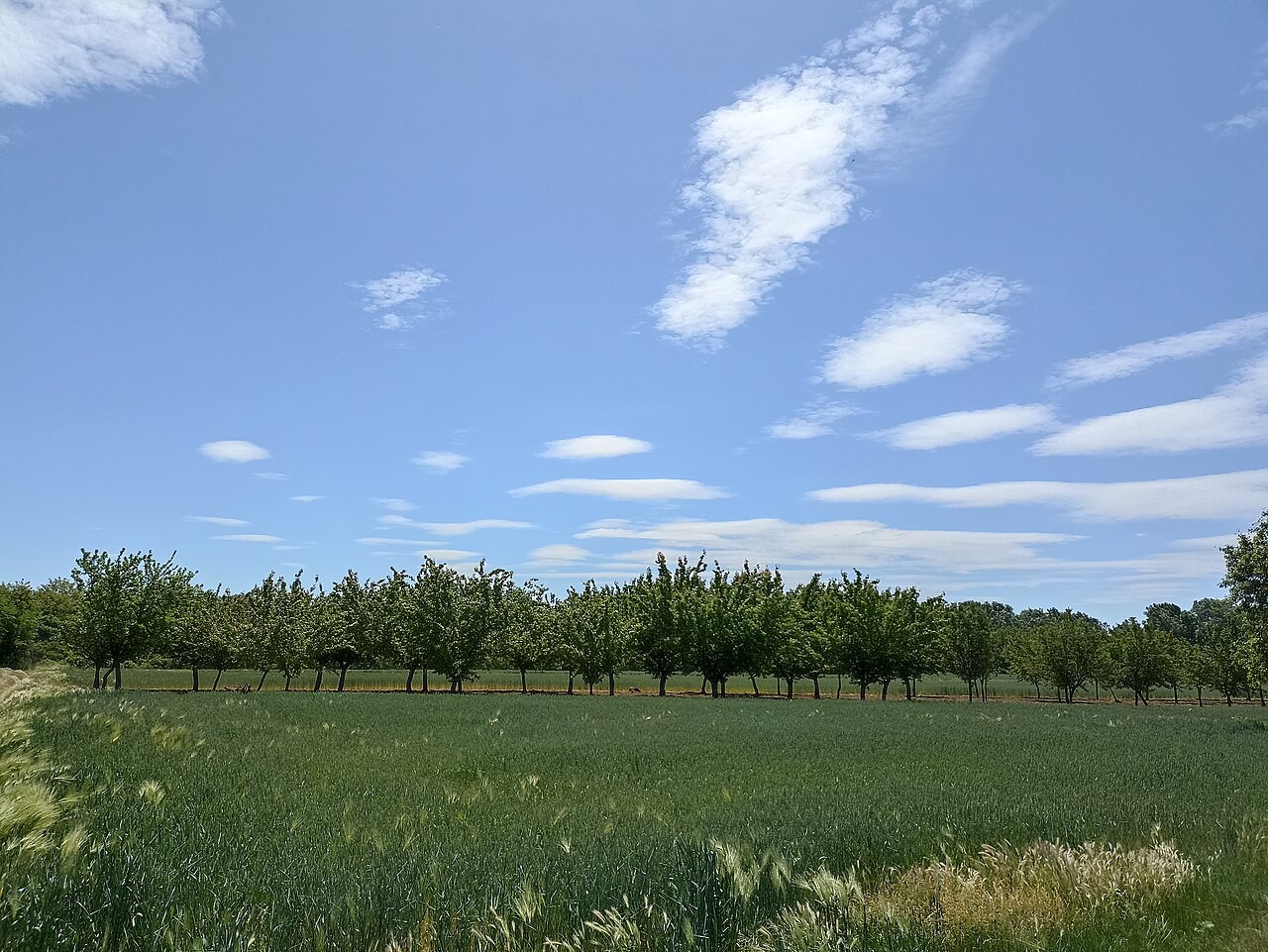
Canadian-designed drones modelled on peregrine falcons are being trialled in Australian fruit and almond orchards to deter bird pressure, according to a report this month. The fixed-wing and flapping-wing units use bio-mimicry to resemble a predator species and target corellas and cockatoos that cause crop loss. Victoria has had limited rainfall over the past year, pushing birds into irrigated horticultural areas where apples, pears and stone fruit have become an alternative food source. Trials in Victoria and South Australia are collecting effectiveness data against the local species, said the developer, AERIUM Analytics.
The technology is not new: the drones have been used for a decade in mining and aviation, where the maker says they have significantly reduced bird strikes and stopped birds landing in dangerous areas. The open question is how that translates to agriculture. Ardmona grower and Victorian Fruit Growers chairman Mitch McNab is trialling the system ahead of harvest in the Goulburn Valley. So far the results are reasonably positive, he said, but he noted that bird activity is higher this year because dry conditions concentrate birds on irrigated crops.
For a buyer, the economics matter as much as the efficacy. McNab said the capital cost of buying a drone and paying an operator is hard to justify for an individual grower, especially in lower-pressure years, and a cooperative or shared model is under review to lift utilisation. That is the right question for any deterrence purchase: cost per hectare or per site per season, not the sticker price. Ask any supplier which species and conditions its coverage figures refer to, how habituation is managed, and what the operating hours and labour burden are. Our /bird-repellents/ range covers solar and acoustic units for agricultural and industrial sites; they belong inside a written plan, not as a standalone fix.
Non-lethal dispersal sits after habitat management and exclusion in a defensible bird-control plan. Check local protected-species law before deploying any predator mimic or acoustic device, since method and timing can be restricted. Where a lender, insurer or certification scheme is involved, the wildlife assessment will be read as closely as the budget. Start with the attractant audit, then choose the tool that fits the site and the season.