 YouHuiYou Components
easyJet Bird Strike Return Puts Wildlife Plans in Focus

EasyJet flight U2213, scheduled from Bristol to Edinburgh, struck a bird moments after take-off on 18 November and returned safely to Bristol, where fire and rescue appliances met the aircraft as a standard precaution. The airline arranged a replacement airframe to carry passengers north. Public reporting noted that the UK Air Accidents Investigation Branch and Civil Aviation Authority had not issued a formal bulletin confirming engine damage, so the event should be read as a precautionary return, not a proven failure. Bristol sits on an exposed plateau beside the tidal Severn Estuary, a foraging corridor for gulls, starlings and lapwings.
That geography is the point for a buyer. Coastal and riverine airfields face a different bird pressure from inland sites, and a defensible wildlife plan starts with the attractant audit, not with a device. UK certified aerodromes use distress-call cannons, bio-acoustic dispersers on vehicles, long-grass management to discourage ground-nesting birds, and habitat changes around refuse and standing water. The same hierarchy applies to farms, solar sites and warehouses: remove the food and shelter first, exclude where possible, then disperse. Our /bird-repellers/ range covers solar and acoustic units.
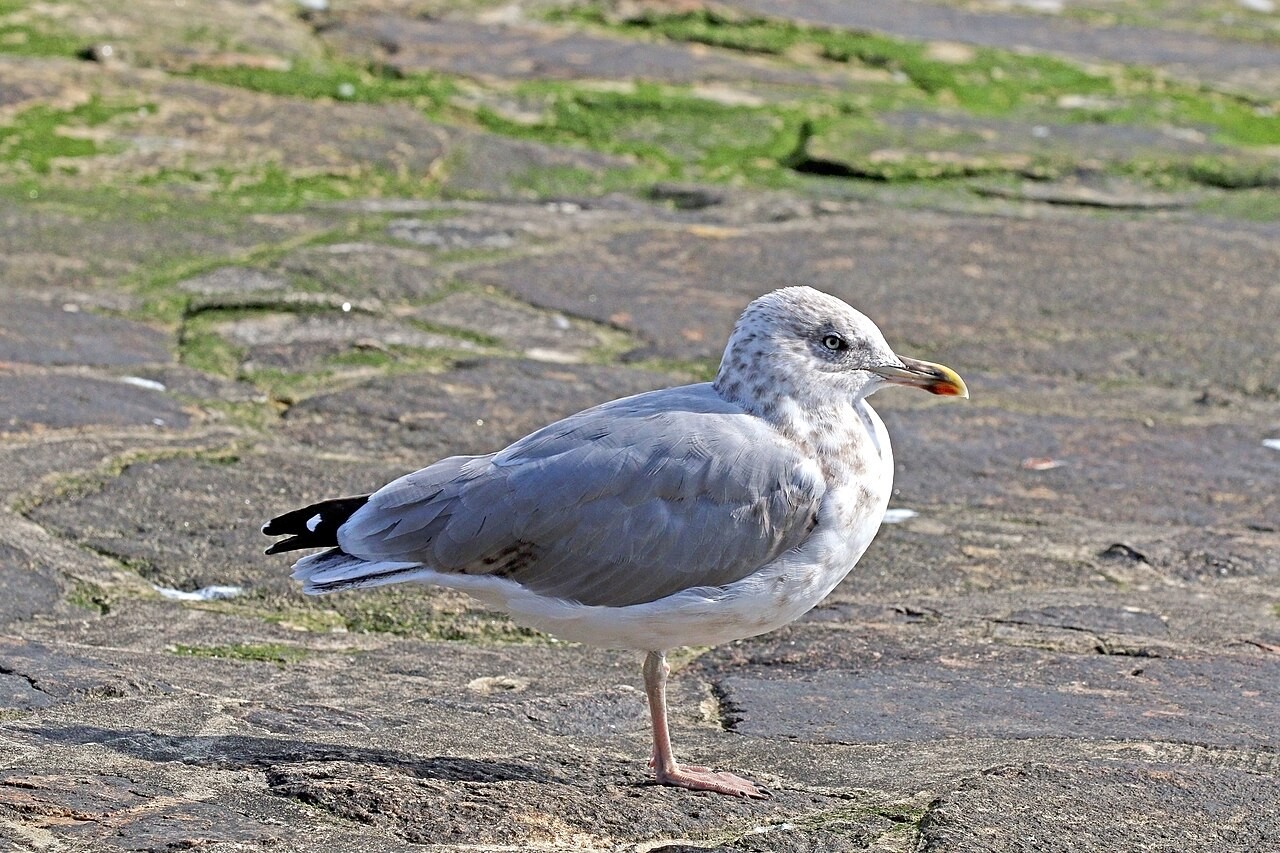
Ask any supplier to state which species and conditions its coverage figures refer to, how habituation is managed, and what the operating hours and labour burden are. A predator mimic or acoustic device can be restricted by season or method under protected-species law, so check local rules before deploying one. For an airport, the procurement question is cost per movement and auditability: a logged, non-lethal programme with trend data beats an unrecorded cannon. For a grower or facility manager, it is cost per site per season, which is why cooperative or shared equipment models are often cheaper than ownership.
Regulation is moving in parallel. China's revised Civil Aviation Safety Management Regulations, published under Transport Ministry Order No. 20 of 2026 on 19 November and effective 1 January 2027, tighten major-hazard identification and accountability for aviation operators, adding weight to documented wildlife risk controls. Whatever the jurisdiction, keep the wildlife assessment, device registrations and dispersal log together for the insurer or certifier. Choose the plan that can show what was done, when, and against which species.